Why Positive Parenting Helps Kids Develop Confidence
Explore the essential role of positive parenting in nurturing children's confidence. Learn effective strategies to empower your child.
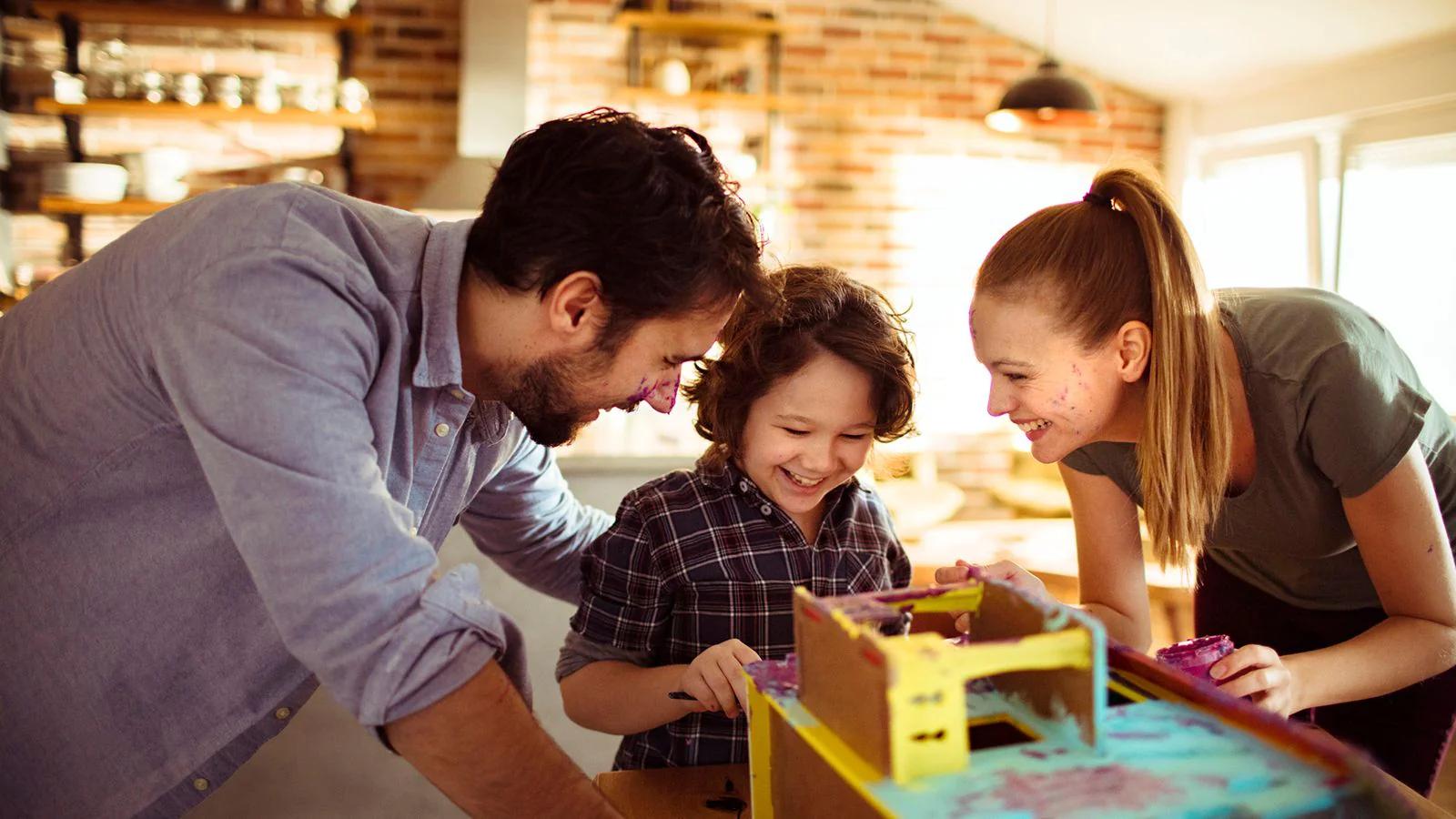
Why Positive Parenting Helps Kids Develop Confidence
As parents, we all want our children to grow into confident and capable individuals. One of the most effective ways to foster this confidence is through positive parenting. This approach not only nurtures a strong parent-child bond but also equips children with the tools they need to face life's challenges. In this blog post, we will explore the significance of positive parenting and how it can help your little ones develop self-assurance and resilience.
Understanding Positive Parenting
Positive parenting is a parenting style characterized by warmth, support, and clear boundaries. It focuses on building a nurturing environment that encourages children to express themselves freely while also teaching them responsibility and respect. Here are some key principles of positive parenting:
- Open Communication: Encourage your child to share their thoughts and feelings without fear of judgment.
- Empathy: Show understanding and compassion towards your child's emotions and experiences.
- Encouragement: Celebrate your child's efforts and achievements, no matter how small.
- Setting Boundaries: Provide structure and expectations that help your child feel secure.
How Positive Parenting Builds Confidence
Confidence in children is often a reflection of their self-esteem and self-worth. Positive parenting plays a crucial role in shaping these attributes. Here’s how:
1. Fostering a Safe Environment
When children feel safe and loved, they are more likely to explore their surroundings and try new things. Positive parenting creates a secure base from which your child can venture out into the world. This exploration is vital for developing self-confidence.
2. Encouraging Independence
Allowing children to make choices fosters a sense of autonomy. By encouraging them to make decisions—whether it’s picking their outfits or selecting a snack—you empower them to trust their judgment. This independence builds confidence as they learn to navigate their world.
3. Teaching Problem-Solving Skills
Positive parenting involves guiding children through challenges rather than solving problems for them. When children face difficulties, encourage them to think critically and find solutions. This approach teaches resilience and reinforces their belief in their own abilities.
4. Celebrating Efforts Over Outcomes
Instead of focusing solely on success or failure, positive parenting emphasizes the importance of effort. Praising your child for trying hard, regardless of the outcome, helps them understand that persistence is key. This mindset fosters confidence because they learn to value their attempts and not just the results.
5. Modeling Positive Behavior
Children often learn by observing their parents. By demonstrating a positive attitude, resilience in the face of setbacks, and self-compassion, you show your child how to approach challenges. Your behavior serves as a powerful example, instilling confidence in them.
Practical Tips for Positive Parenting
Here are some practical strategies to incorporate positive parenting into your daily routine:
- Listen Actively: When your child speaks, give them your full attention. Make eye contact, and validate their feelings.
- Set Realistic Expectations: Understand your child’s capabilities and set achievable goals that encourage growth.
- Be Consistent: Consistency in your responses and expectations helps your child feel secure and understand boundaries.
- Provide Opportunities for Success: Create situations where your child can succeed, such as simple tasks or games that match their skill level.
- Encourage Social Interactions: Facilitate opportunities for your child to play and interact with peers, building social skills and confidence.
Conclusion
Positive parenting is a powerful approach that significantly impacts the development of confidence in children. By creating a supportive and nurturing environment, encouraging independence, and modeling positive behaviors, you can help your child grow into a self-assured individual ready to tackle life's challenges. Remember, confidence is not just about believing in oneself; it’s about knowing that it’s okay to try, to fail, and to keep trying again. Embrace positive parenting today for a brighter tomorrow for your child!
Kanika
Author - Parenting and Maternal Wellness
Hi, I’m Kanika, a parenting and maternal wellness writer at Mamaverse. I’m passionate about creating clear, practical, and thoughtfully researched content that helps parents feel more informed and confident throughout their parenting journey. I write about pregnancy, newborn care, baby development, toddler care, child development, parenting challenges, and family well-being. Before creating content, I focus on understanding the topic carefully and referring to reliable and authoritative sources, especially when the subject involves health, safety, or child development. Through Mamaverse, my goal is to simplify overwhelming parenting information into guidance that is easy to understand and useful in everyday life. I also believe that every pregnancy, child, and family is different, so my content is designed to educate and support—not replace personalized advice from qualified healthcare professionals. My Areas of Focus: Pregnancy, Maternal Wellness, Newborn Care, Baby Care, Toddler Care, Child Development, Parenting, and Family Well-being
Comments (0)
Leave a Comment
Related Articles

Portable Baby Bassinets for Travel-Friendly Parenting
Discover the benefits of portable baby bassinets and how they make travel easier for parents. Explore options for safe and comfy sleep on the go.

Common Mistakes First-Time Parents Make (And How to Avoid Them)
Navigating parenthood can be overwhelming. Discover common mistakes first-time parents make and how to avoid them for a smoother journey.
Minimalist Parenting: Buy Less but Choose Smart
I used to think loving my baby meant buying everything in the baby aisle. Six months later, her favourite toy was a wooden spoon—and half the products sat unused. That’s when minimalist parenting made sense.
Indoor vs Outdoor Baby Gear: What Modern Parents Should Invest In
Indoor vs outdoor baby gear—what should parents actually invest in? A practical guide to help you spend smart based on your lifestyle.