Minimalist Parenting: Buy Less but Choose Smart
I used to think loving my baby meant buying everything in the baby aisle. Six months later, her favourite toy was a wooden spoon—and half the products sat unused. That’s when minimalist parenting made sense.
Introduction
Minimalist parenting isn’t about doing less for your child—it’s about doing what truly matters. By choosing fewer, better products, you create a calmer home, reduce stress, and focus more on meaningful moments.
What Is Minimalist Parenting?
Minimalist parenting is about intentional decision-making. Instead of buying everything available, you choose products that genuinely add value to your daily life and your baby’s comfort and safety.
The Core Principles
- Buy for function, not fear: Avoid impulse purchases driven by anxiety.
- Buy for longevity: Choose products that grow with your baby.
- Buy for real life: Focus on your lifestyle, not ideal scenarios.
- Experience over stuff: Your time and attention matter most.
The Minimalist Baby Essentials List
Sleep
- Safe sleeping surface (crib or bassinet)
- Firm mattress with fitted sheets
- 2–3 sleep sacks
Feeding
- Nursing support or feeding pillow
- 2–4 bottles if needed
- Reliable high chair for long-term use
Bathing
- One safe, non-slip baby bathtub
Mobility
- One lightweight, durable stroller
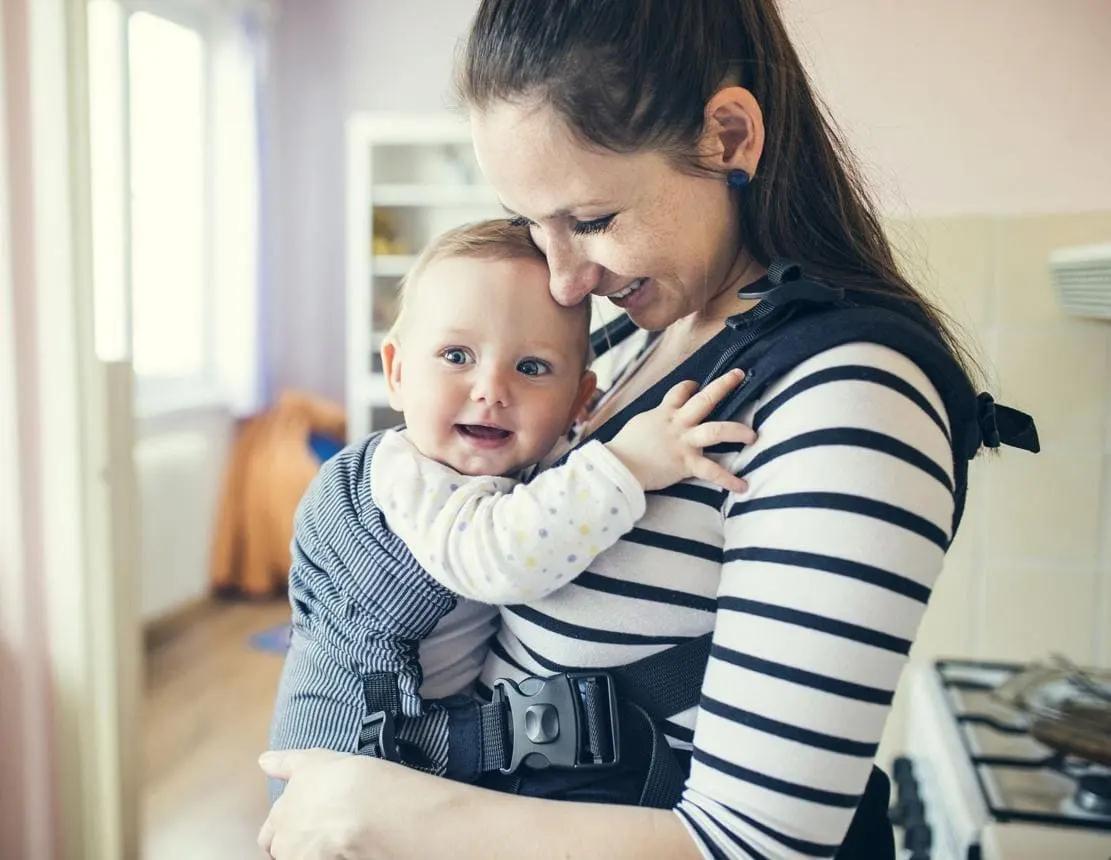
- One ergonomic baby carrier
Storage
Where to Invest vs Where to Save
Worth Investing In
- Car seat: Safety is non-negotiable
- Stroller: Daily use over several years
- High chair: Essential for feeding routines
- Baby carrier: Helps manage daily tasks
- Storage solutions: Keeps life organized
Where to Save
- Baby clothes (short usage span)
- Room decor
- Trendy gadgets with limited use
The Mindset Shift
The most valuable thing you can give your baby is your presence—not more products. A clutter-free environment creates calm, which directly impacts both parenting and your baby’s well-being.
Conclusion
Before buying any baby product, pause and ask: “Do I truly need this?” Choosing quality over quantity simplifies parenting and creates a more peaceful home.
👉 Choose smarter with thoughtfully designed baby essentials that prioritize quality, safety, and simplicity.
Frequently Asked Questions
Q1. Does minimalist parenting affect a baby’s development?
No. Babies benefit more from interaction and engagement than from excessive toys.
Q2. What are the must-have items?
A safe sleep setup, stroller, baby carrier, high chair, and bathtub cover most needs.
Q3. Can I use second-hand baby products?
Yes, except for safety-critical items like car seats and mattresses.
Q4. How do I avoid overbuying?
Wait before purchasing non-essential items to avoid impulse buying.
Q5. Is minimalist parenting cost-effective?
Yes, it significantly reduces unnecessary spending while maintaining quality.
Vandana Raghav
Expert in Infant and Toddler Health
Here is the polished and professionally corrected version of your bio. I have refined the flow to make it sound more authoritative while maintaining its warmth. Professional Bio (Polished) I am a writer and researcher specializing in infant and toddler health, pregnancy care, and newborn development, with more than 15 years of experience in the baby and parenting industry. Over the years, I have worked closely with manufacturers and retailers of premium baby products, gaining deep insight into the safety, quality, and functionality that parents prioritize for their children. My work focuses on guiding expectant mothers and new parents through the critical stages of pregnancy, newborn care routines, infant health, and toddler development. By combining my extensive industry background with continuous research on modern parenting practices, I provide practical, reliable, and accessible information that empowers families to make confident decisions. I regularly contribute insights on maternal wellness, newborn essentials, and early childhood development, bridging the gap between industry knowledge and real-world parenting to support families through the formative early years of a child’s life.
Comments (0)
Leave a Comment
Related Articles
Portable Baby Bassinets for Travel-Friendly Parenting
Discover the benefits of portable baby bassinets and how they make travel easier for parents. Explore options for safe and comfy sleep on the go.

Common Mistakes First-Time Parents Make (And How to Avoid Them)
Navigating parenthood can be overwhelming. Discover common mistakes first-time parents make and how to avoid them for a smoother journey.
Why Adjustable Baby High Chairs Are Perfect for Growing Kids
Discover the benefits of adjustable baby high chairs for your child's growth. Perfect for meals, comfort, and safety as they grow!
Indian Parenting Hacks: Making Small Spaces Baby-Friendly
Learn practical hacks to make small Indian homes baby-friendly without compromising comfort, safety, or aesthetics.