Indoor vs Outdoor Baby Gear: What Modern Parents Should Invest In
Indoor vs outdoor baby gear—what should parents actually invest in? A practical guide to help you spend smart based on your lifestyle.
Indoor vs Outdoor Baby Gear: What Modern Parents Should Invest In
Ask ten parents what baby gear they use every day, and you'll hear two completely different lists — one from the parent who's mostly home, and one from the parent who's constantly on the move.
The truth is, most families are both. And that's exactly where spending decisions get complicated.
The indoor vs. outdoor question isn't really about picking a side. It's about understanding what each context demands — and spending your money where the daily friction is highest. Because when the right piece of gear is missing, you feel it. Every. Single. Day.
What "Indoor" Baby Gear Really Means
Indoor gear is everything that lives in your home and gets used across your regular daily routine — feeding, bathing, sleeping, playing, and the general beautiful chaos of managing a baby in a domestic space.
The challenge with indoor gear for urban Indian families is space. Most metro apartments run between 600–1200 sq ft, shared often with grandparents or other family members. Every product that comes in needs to earn its square footage.
High-Use Indoor Essentials
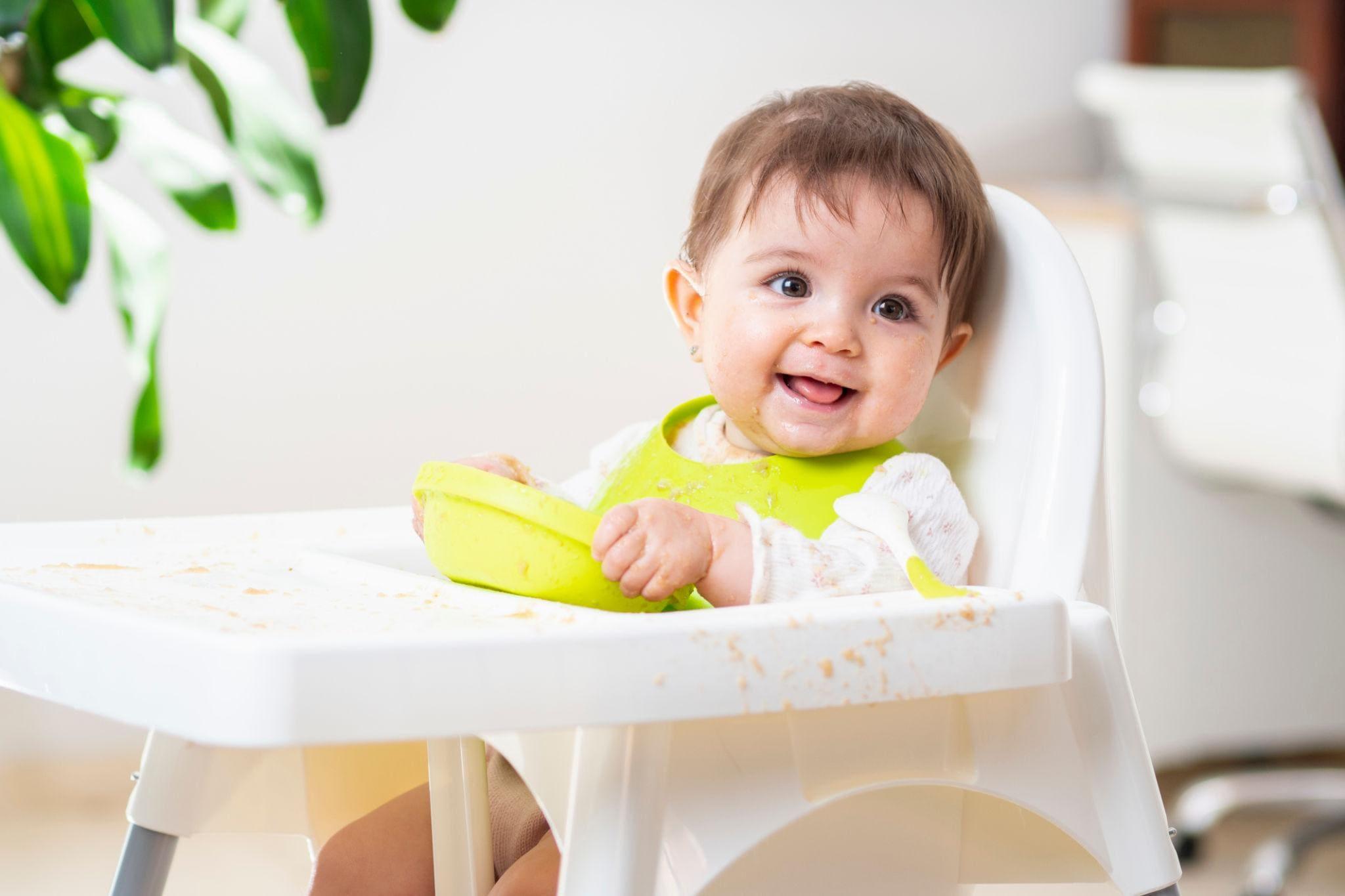
High Chair
From 6 months onward, a high chair is used multiple times every single day. This is genuinely one of the most worth-it investments in the indoor category. Look for adjustable height (to pull up to your dining table), a removable footrest for proper posture, and a wipeable seat. Mealtime will be messy — the chair needs to be able to handle it.
Play Mat
A large, padded play mat becomes the baby's world during the awake hours of 3–12 months. Non-toxic materials, a surface that's easy to wipe down, and enough size to actually stretch out on — these are the things that matter. The design can be lovely too, but prioritise safety certifications.
Baby Bathtub
For the early months especially, a dedicated baby bathtub is safer and more ergonomic than balancing a slippery newborn in an adult tub. A foldable option makes storage in smaller bathrooms much more manageable.
Baby Wardrobe / Storage
As your baby grows through sizes roughly every 3 months, the need for organised, accessible clothing storage is real. A compact baby wardrobe with flexible shelving helps manage the constant rotation without things piling up everywhere.
Baby Monitor
Once your baby transitions to their own room — typically around 6 months — a monitor gives you peace of mind without being physically present. Audio monitors are sufficient for most families; video monitors are useful if your baby is a quiet sleeper and you want visual confirmation.
What "Outdoor" Baby Gear Really Means
Outdoor gear gets your family moving — to the park, to family visits, to medical appointments, to vacations. It needs to be durable, portable, and genuinely functional under real-world conditions: Indian summer heat, uneven pavements, busy markets, and cramped car boots.
High-Use Outdoor Essentials
Baby Stroller
This is probably the single most significant outdoor investment. A stroller that's lightweight enough to lift into an auto-rickshaw, has a decent sun canopy for Indian weather, folds down quickly, and has enough storage for your bag, diapers, and snacks — that stroller changes your daily life. Reversible seat options are great for younger babies who need to face you.
Baby Carrier
The carrier is the outdoor companion that a stroller can't always replace. Crowded temples, staircases, beach walks, family gatherings in spaces too tight for a pram — a carrier handles all of these. An ergonomic carrier that supports both your posture and your baby's hip development is worth prioritising. This is not an area to cut corners.
Diaper Bag
Your diaper bag is your operational headquarters outside the home. By the time you pack diapers, wipes, a change of clothes, feeding supplies, snacks, your own wallet and phone — you need a bag that's genuinely organised, not just large. A structured backpack-style diaper bag with insulated pockets and stroller clips is worth the upgrade.
Infant Carry Bag
For parents who carry their babies in arms or need a secondary hands-free option for shorter outings, a well-padded infant carry bag that supports the baby's head and distributes weight evenly makes outings significantly less exhausting.
Where Indian Parents Should Prioritise Spending
Given the realities of urban Indian living — heat, space constraints, frequent family visits, domestic help, and a mix of car/auto/walking commutes — here's a practical split:
Spend more on indoor if:
- You're in a large joint family home where baby is mostly at home
- Your baby has health conditions requiring frequent home monitoring
- You have domestic help and outings are less frequent
Spend more on outdoor if:
- You're a nuclear family with both parents working
- You commute with baby regularly
- You travel frequently (even within the city)
For most families: The high chair, carrier, and stroller are universal investments regardless of lifestyle. These three earn their cost faster than almost anything else.
Space-Saving Tips for Indian Homes
- Choose foldable over fixed wherever possible — bathtubs, bouncers, travel cots
- A carrier replaces a stroller in tight spaces — you don't always need both simultaneously
- Wall-mounted diaper caddies and bedside organisers work well in smaller rooms
- A compact baby wardrobe with adjustable shelves beats a bulky chest of drawers
Conclusion
The indoor-outdoor split isn't about choosing one world over the other — it's about recognising that your baby lives in both, and your gear should be ready for each. Invest first in what your daily life actually looks like, and layer in the extras as real needs emerge.
The best gear is what removes friction from your day. Start there.
Frequently Asked Questions
Dr. Vandana Raghav
Pediatrician & Child Health Expert
Hi, I’m Vandana Raghav, a pediatrician and child health expert associated with Mamaverse. My work is focused on helping parents better understand their child’s health, growth, development, nutrition, and overall well-being through reliable and practical guidance. As a pediatrician, I understand that parents often have questions and concerns at every stage of their child’s development. Through Mamaverse, I aim to make medically complex topics easier to understand while providing evidence-informed information that parents can use to have more informed conversations about their child’s care. My areas of interest include newborn care, infant health, child growth and development, nutrition, feeding, sleep, common childhood health concerns, preventive care, and overall child wellness. I believe trustworthy parenting and child-health information should be accurate, responsible, and easy to understand. My goal is to help Mamaverse provide parents with dependable health information while encouraging them to consult their pediatrician or other qualified healthcare professional whenever individualized medical assessment, diagnosis, or treatment is required. My Areas of Expertise: Pediatrics, Newborn Care, Infant Health, Child Health, Growth and Development, Child Nutrition, Preventive Care, Parenting and Child Wellness
Comments (0)
Leave a Comment
Related Articles

Portable Baby Bassinets for Travel-Friendly Parenting
Discover the benefits of portable baby bassinets and how they make travel easier for parents. Explore options for safe and comfy sleep on the go.

Common Mistakes First-Time Parents Make (And How to Avoid Them)
Navigating parenthood can be overwhelming. Discover common mistakes first-time parents make and how to avoid them for a smoother journey.
Minimalist Parenting: Buy Less but Choose Smart
I used to think loving my baby meant buying everything in the baby aisle. Six months later, her favourite toy was a wooden spoon—and half the products sat unused. That’s when minimalist parenting made sense.
Indian Parenting Hacks: Making Small Spaces Baby-Friendly
Learn practical hacks to make small Indian homes baby-friendly without compromising comfort, safety, or aesthetics.