Ways Parents Can Improve Communication With Kids
Effective communication is key to a strong parent-child bond. Discover ways to enhance your conversations with your kids for better understanding.

Ways Parents Can Improve Communication With Kids
Effective communication is the foundation of a strong parent-child relationship. It fosters understanding, trust, and emotional connection between parents and their children. However, communicating with kids can sometimes be challenging due to their developmental stages, emotions, and individual personalities. Here are some practical ways parents can improve communication with their kids.
1. Practice Active Listening
Active listening goes beyond just hearing words; it involves fully engaging with what your child is saying. Here’s how you can practice active listening:
- Maintain Eye Contact: Show your child that they have your full attention by looking at them while they speak.
- Acknowledge Their Feelings: Validate their emotions by nodding or responding appropriately. Phrases like "I understand how you feel" can be reassuring.
- Ask Open-Ended Questions: Encourage your child to express themselves more by asking questions that require more than a yes or no answer.
2. Create a Safe Space
It's vital for children to feel safe and comfortable expressing themselves without fear of judgment. Here are some tips for creating that environment:
- Be Non-Judgmental: Avoid criticizing or dismissing their thoughts and feelings. Instead, show empathy and understanding.
- Be Available: Set aside dedicated time to talk, ensuring your child knows they can approach you anytime.
- Encourage Honesty: Let your child know that it's okay to share their thoughts, even if they are difficult.
3. Tailor Your Communication Style
Recognize that children of different ages have varying communication abilities. Tailor your communication style based on their developmental stage:
- For Younger Kids: Use simple language and short sentences. Incorporate play and storytelling to make conversations engaging.
- For Older Kids: Encourage more complex discussions. Avoid talking down to them and respect their opinions.
- Teens: Give them space to express themselves, and engage in discussions rather than lectures.
4. Use Positive Reinforcement
Positive reinforcement can motivate children to communicate openly. Here are ways to implement it:
- Praise Efforts: Acknowledge when your child shares their thoughts or feelings, reinforcing the behavior positively.
- Encourage Sharing: Create a family tradition where everyone shares something about their day during meals.
- Reward Openness: Consider small rewards for honest conversations, reinforcing the value of communication.
5. Be Mindful of Non-Verbal Communication
Your body language, tone of voice, and facial expressions all communicate messages to your children. Pay attention to these non-verbal cues:
- Facial Expressions: Ensure your expressions match your words; for instance, smiling when giving compliments.
- Body Language: Use open gestures and avoid crossing your arms to appear more approachable.
- Tone of Voice: Adjust your tone to match the context; a calm voice can help diffuse tension during difficult conversations.
6. Share Your Own Experiences
Sharing your own feelings and experiences can help children understand that everyone has emotions. Here’s how:
- Be Relatable: Share stories from your childhood that relate to what they are going through.
- Express Your Feelings: Let them know how you managed similar situations and how it felt.
- Encourage Dialogue: Use your experiences as a springboard for conversations about their feelings.
7. Use Technology Wisely
In today’s digital age, technology can be both a barrier and a bridge in communication. Use it wisely:
- Encourage Family Group Chats: Create a group chat where family members can share messages, photos, and daily updates.
- Limit Screen Time: Set boundaries for technology use to ensure face-to-face interactions remain a priority.
- Use Apps for Discussions: Consider using apps designed to facilitate family conversations and sharing thoughts.
Conclusion
Improving communication with your kids is an ongoing process that requires patience, empathy, and effort. By implementing these strategies, you can build a stronger bond with your child, encouraging them to express themselves openly and confidently. Remember, the goal is not just to talk but to truly connect and understand each other. Foster a nurturing environment where your children feel valued and heard, and watch your relationship flourish.
Dr. Vandana Raghav
Pediatrician & Child Health Expert
Hi, I’m Vandana Raghav, a pediatrician and child health expert associated with Mamaverse. My work is focused on helping parents better understand their child’s health, growth, development, nutrition, and overall well-being through reliable and practical guidance. As a pediatrician, I understand that parents often have questions and concerns at every stage of their child’s development. Through Mamaverse, I aim to make medically complex topics easier to understand while providing evidence-informed information that parents can use to have more informed conversations about their child’s care. My areas of interest include newborn care, infant health, child growth and development, nutrition, feeding, sleep, common childhood health concerns, preventive care, and overall child wellness. I believe trustworthy parenting and child-health information should be accurate, responsible, and easy to understand. My goal is to help Mamaverse provide parents with dependable health information while encouraging them to consult their pediatrician or other qualified healthcare professional whenever individualized medical assessment, diagnosis, or treatment is required. My Areas of Expertise: Pediatrics, Newborn Care, Infant Health, Child Health, Growth and Development, Child Nutrition, Preventive Care, Parenting and Child Wellness
Comments (0)
Leave a Comment
Related Articles

Signs of a Healthy Child Every Parent Should Know
Recognizing the signs of a healthy child is essential for every parent. Learn what to look for to ensure your child's well-being.
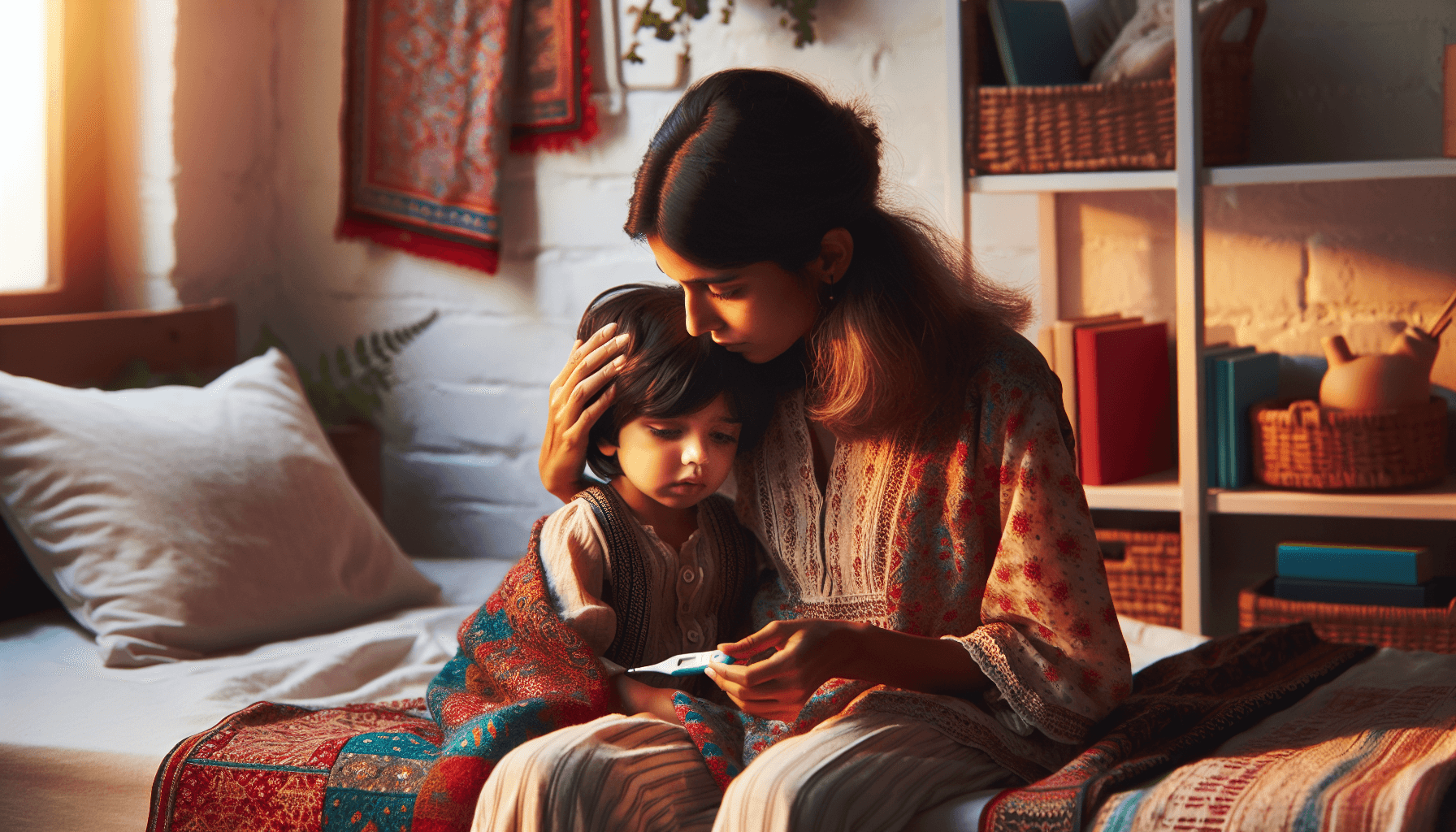
Common Childhood Illnesses and How Parents Can Handle Them
Learn about common childhood illnesses and effective ways parents can manage them, ensuring your child's health and comfort.

When Should Parents Worry About a Child’s Fever
Understanding when a child's fever becomes a concern is essential for parents. Learn the signs and when to seek help.
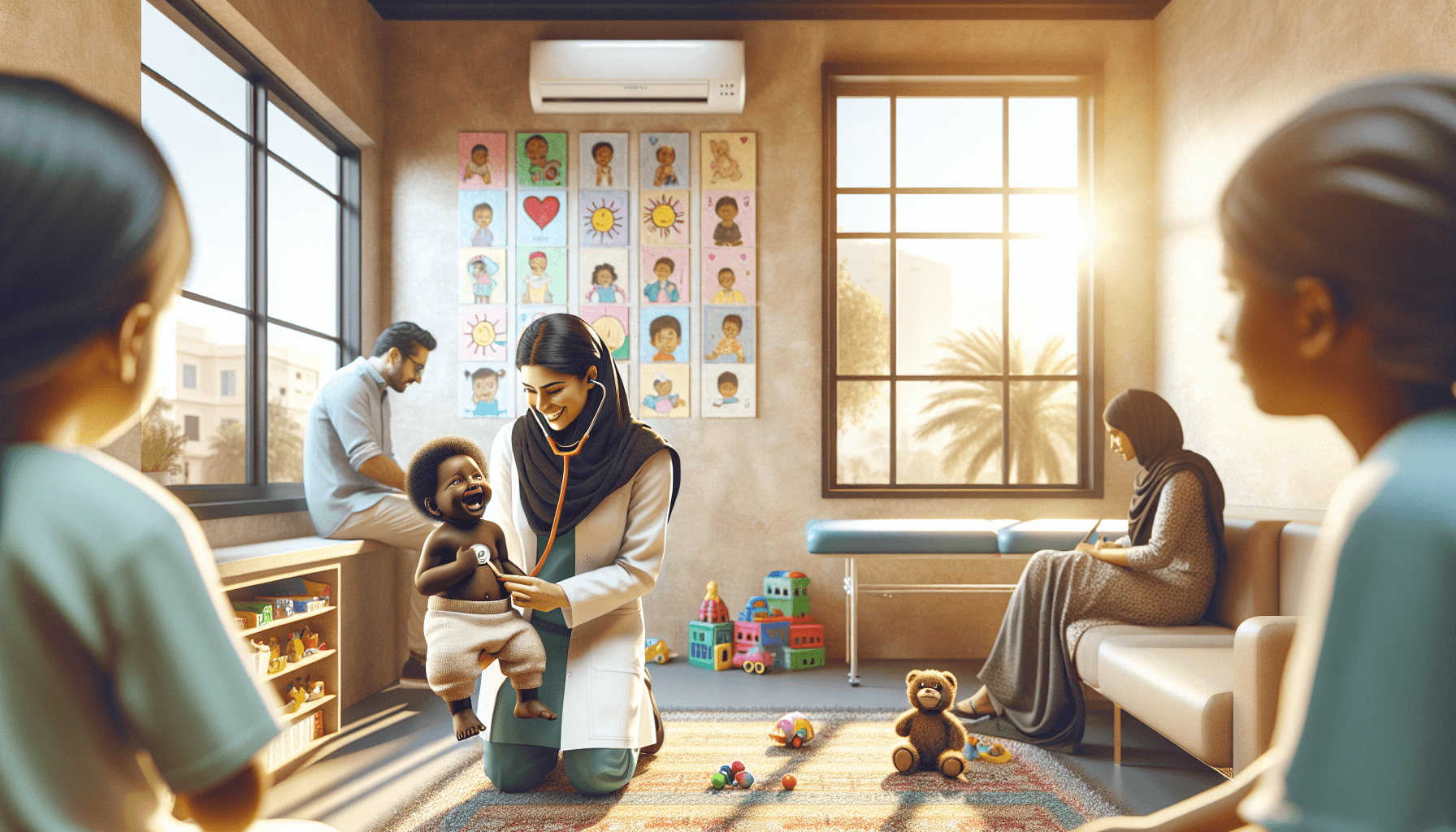
Why Regular Health Checkups Are Important for Kids
Regular health checkups for kids are essential for monitoring growth and preventing health issues. Learn why these visits matter.