Common Childhood Illnesses and How Parents Can Handle Them
Learn about common childhood illnesses and effective ways parents can manage them, ensuring your child's health and comfort.
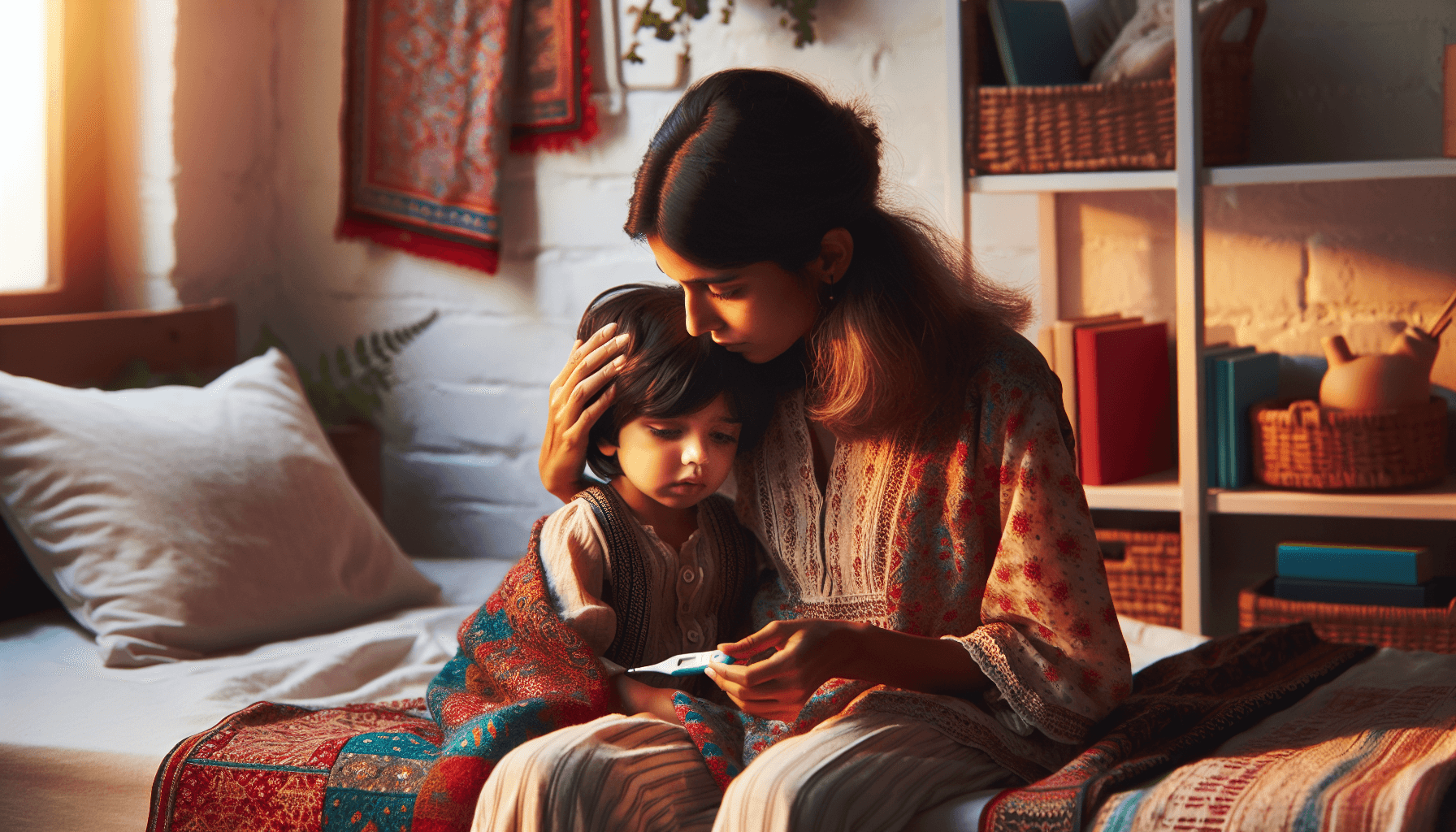
Common Childhood Illnesses and How Parents Can Handle Them
As parents, we often find ourselves worried about our children's health. Childhood is a time when kids are susceptible to various illnesses due to their developing immune systems and exposure to other children. Understanding common childhood illnesses and how to manage them can empower parents to ensure their little ones get back to health quickly and comfortably.
1. Common Cold
The common cold is one of the most frequent illnesses affecting children. Symptoms usually include a runny nose, cough, sore throat, and mild fever.
- Management: Ensure your child stays hydrated, gets plenty of rest, and eats nutritious foods. Over-the-counter medications can help alleviate symptoms, but always consult your pediatrician before administering any medication.
2. Flu
The flu can be more severe than a cold, with symptoms that include high fever, chills, body aches, and fatigue.
- Management: Keep your child home from school to rest and recover. Antiviral medications may be prescribed by a doctor if caught early. Encourage fluids and a balanced diet.
3. Chickenpox
Chickenpox is a highly contagious viral infection characterized by an itchy rash and flu-like symptoms.
- Management: Calamine lotion can soothe itching, and antihistamines may help as well. Ensure your child avoids scratching to prevent infection. The chickenpox vaccine is an effective preventive measure.
4. Hand, Foot, and Mouth Disease
This viral illness is common in young children, causing sores in the mouth and a rash on the hands and feet.
- Management: Keep your child comfortable with plenty of fluids and soft foods. Pain relievers can help alleviate discomfort. Good hygiene practices, like frequent handwashing, can prevent the spread of the virus.
5. Gastroenteritis
Commonly known as the stomach flu, gastroenteritis leads to vomiting, diarrhea, and stomach cramps.
- Management: Rehydration is crucial. Offer clear fluids like water or oral rehydration solutions. Gradually reintroduce food as symptoms improve. Consult your doctor if symptoms persist.
6. Ear Infections
Ear infections occur when bacteria or viruses infect the ear, leading to pain and irritability in children.
- Management: Pain relief with acetaminophen or ibuprofen can help. If symptoms persist, a doctor's visit may be necessary for antibiotics.
7. Allergies
Children can develop allergies to various substances, resulting in sneezing, itching, and rashes.
- Management: Identifying and avoiding allergens is key. Antihistamines can help manage symptoms. Consult an allergist for severe cases.
8. Asthma
Asthma is a chronic lung condition that may cause wheezing, coughing, and shortness of breath.
- Management: Avoid triggers like smoke or dust. Inhalers or nebulizers can alleviate symptoms, and a pediatrician can help create an asthma action plan.
When to Consult a Doctor
While many childhood illnesses are manageable at home, it’s essential to know when to seek professional help. Here are some signs that warrant a visit to the doctor:
- Persistent high fever (above 102°F or 39°C)
- Difficulty breathing or wheezing
- Severe headache or neck stiffness
- Dehydration signs (dry mouth, no urine output)
- Rash that spreads or looks infected
Conclusion
Understanding common childhood illnesses and how to manage them can alleviate a lot of parental stress. Remember, maintaining a healthy diet, encouraging good hygiene, and keeping up with vaccinations are essential in preventing many illnesses. Always trust your instincts as a parent, and don’t hesitate to seek professional guidance when needed. Your child's health and well-being are paramount, and with the right knowledge, you can navigate through any illness with confidence.
Kanika
Author - Parenting and Maternal Wellness
Hi, I’m Kanika, a parenting and maternal wellness writer at Mamaverse. I’m passionate about creating clear, practical, and thoughtfully researched content that helps parents feel more informed and confident throughout their parenting journey. I write about pregnancy, newborn care, baby development, toddler care, child development, parenting challenges, and family well-being. Before creating content, I focus on understanding the topic carefully and referring to reliable and authoritative sources, especially when the subject involves health, safety, or child development. Through Mamaverse, my goal is to simplify overwhelming parenting information into guidance that is easy to understand and useful in everyday life. I also believe that every pregnancy, child, and family is different, so my content is designed to educate and support—not replace personalized advice from qualified healthcare professionals. My Areas of Focus: Pregnancy, Maternal Wellness, Newborn Care, Baby Care, Toddler Care, Child Development, Parenting, and Family Well-being
Comments (0)
Leave a Comment
Related Articles

Signs of a Healthy Child Every Parent Should Know
Recognizing the signs of a healthy child is essential for every parent. Learn what to look for to ensure your child's well-being.

When Should Parents Worry About a Child’s Fever
Understanding when a child's fever becomes a concern is essential for parents. Learn the signs and when to seek help.
Why Regular Health Checkups Are Important for Kids
Regular health checkups for kids are essential for monitoring growth and preventing health issues. Learn why these visits matter.

How Activity Toys Help Your Baby Learn and Grow
Activity toys play a crucial role in your baby's development. Discover how these toys can enhance learning and growth in a fun way!