Why Regular Health Checkups Are Important for Kids
Regular health checkups for kids are essential for monitoring growth and preventing health issues. Learn why these visits matter.
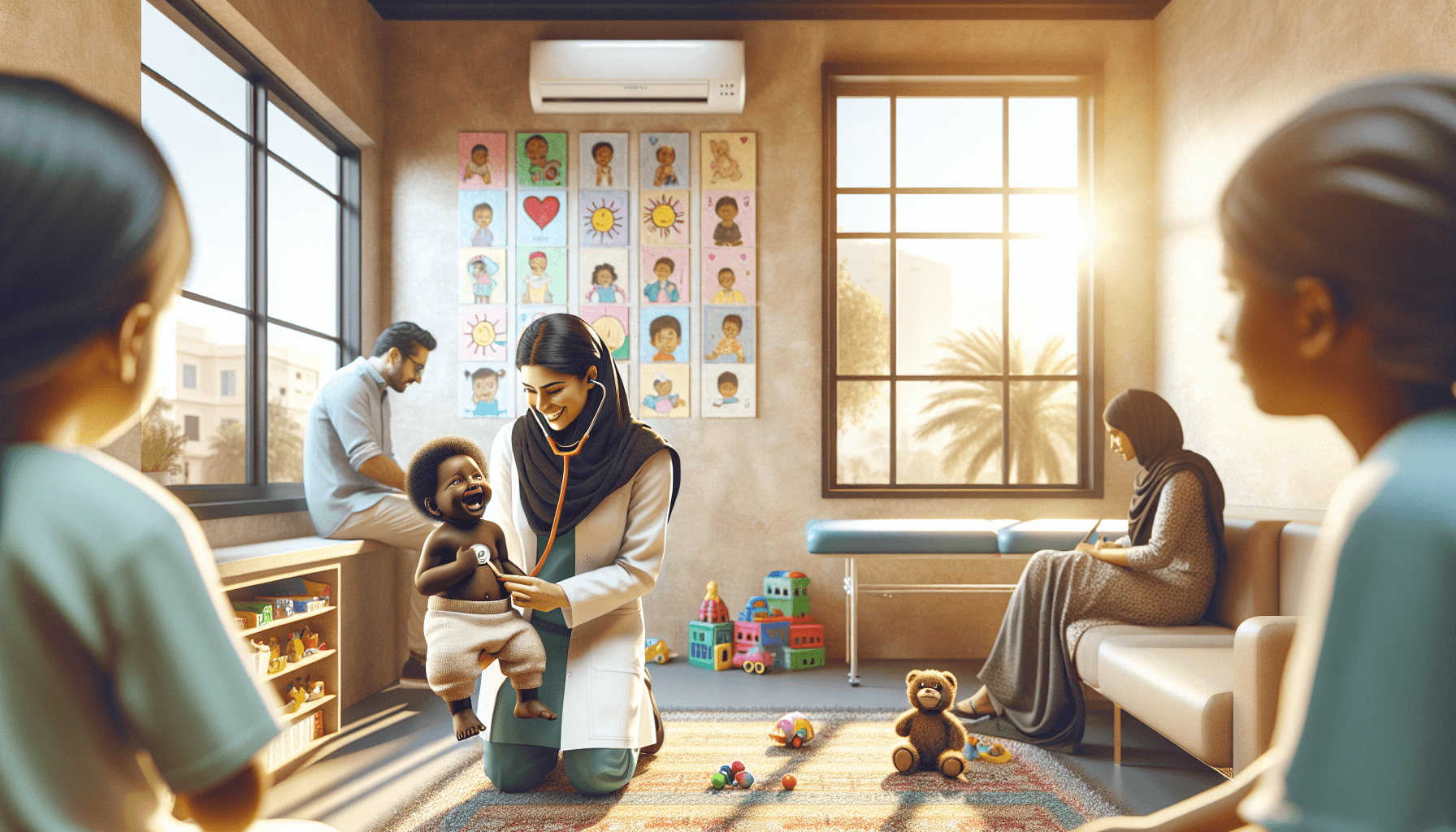
Why Regular Health Checkups Are Important for Kids
As a loving parent, ensuring the health and well-being of your child is a top priority. Regular health checkups play a crucial role in keeping your little ones healthy and happy. This blog post will explore the importance of these checkups, what you can expect during a visit, and tips for making them less stressful for both you and your child.
The Importance of Regular Health Checkups
Regular checkups are not just about treating illnesses; they are also about prevention and early detection. Here are some key reasons why regular health checkups are vital for children:
- Monitoring Growth and Development: Health checkups allow pediatricians to monitor your child's growth patterns and developmental milestones. Regular assessments help identify any delays or concerns early on.
- Preventive Care: Checkups include vaccinations and screenings that prevent serious illnesses. Staying up-to-date with vaccines protects your child and the community from outbreaks.
- Early Detection of Health Issues: Regular visits help in the early detection of potential health problems, such as allergies, asthma, or obesity. Early intervention can lead to better outcomes.
- Building a Relationship with the Doctor: Regular visits help your child develop a trusting relationship with their healthcare provider, which can make them more comfortable seeking care when they need it.
- Guidance for Parents: Pediatricians can provide valuable advice on nutrition, physical activity, and behavioral issues, helping parents make informed decisions regarding their child's health.
What to Expect During a Health Checkup
During a regular health checkup, several assessments and evaluations will take place:
- Physical Examination: The doctor will conduct a thorough physical examination, checking your child's height, weight, and vital signs.
- Developmental Screening: The pediatrician will assess your child's developmental milestones, such as speech, motor skills, and social interactions.
- Immunizations: If necessary, your child may receive vaccinations to protect against various diseases.
- Health History Review: The doctor will review your child's health history, including any previous illnesses, medications, or family health issues.
- Discussion: You will have the opportunity to discuss any concerns or questions regarding your child's health, behavior, or development.
Making Health Checkups Less Stressful
Health checkups can sometimes be overwhelming for children. Here are some tips to make the experience smoother:
- Prepare Your Child: Talk to your child about what to expect during the visit. Use simple language and reassure them that it’s a routine check.
- Bring Comfort Items: Allow your child to bring a favorite toy or blanket to the appointment for comfort.
- Be Positive: Stay calm and positive during the appointment. Your attitude can significantly influence how your child reacts.
- Reward System: Consider implementing a reward system for good behavior during the checkup, such as a small treat or extra playtime.
How Often Should Your Child See the Doctor?
The American Academy of Pediatrics recommends the following schedule for regular health checkups:
- Infants: 1, 2, 4, 6, 9, 12, 15, 18 months
- Preschoolers: 2 years, 2.5 years, and then annually until age 5
- School-aged children: Annually from ages 6 to 18
Conclusion
Regular health checkups are a fundamental aspect of ensuring your child's overall well-being. They provide an opportunity for early detection of potential health issues, guidance on healthy habits, and necessary vaccinations to protect against illness. By making these appointments a priority and approaching them with a positive attitude, you can help your child develop a healthy foundation for a bright future.
Kanika
Author - Parenting and Maternal Wellness
Hi, I’m Kanika, a parenting and maternal wellness writer at Mamaverse. I’m passionate about creating clear, practical, and thoughtfully researched content that helps parents feel more informed and confident throughout their parenting journey. I write about pregnancy, newborn care, baby development, toddler care, child development, parenting challenges, and family well-being. Before creating content, I focus on understanding the topic carefully and referring to reliable and authoritative sources, especially when the subject involves health, safety, or child development. Through Mamaverse, my goal is to simplify overwhelming parenting information into guidance that is easy to understand and useful in everyday life. I also believe that every pregnancy, child, and family is different, so my content is designed to educate and support—not replace personalized advice from qualified healthcare professionals. My Areas of Focus: Pregnancy, Maternal Wellness, Newborn Care, Baby Care, Toddler Care, Child Development, Parenting, and Family Well-being
Comments (0)
Leave a Comment
Related Articles

Signs of a Healthy Child Every Parent Should Know
Recognizing the signs of a healthy child is essential for every parent. Learn what to look for to ensure your child's well-being.
Common Childhood Illnesses and How Parents Can Handle Them
Learn about common childhood illnesses and effective ways parents can manage them, ensuring your child's health and comfort.

When Should Parents Worry About a Child’s Fever
Understanding when a child's fever becomes a concern is essential for parents. Learn the signs and when to seek help.
How Activity Toys Help Your Baby Learn and Grow
Activity toys play a crucial role in your baby's development. Discover how these toys can enhance learning and growth in a fun way!