Understanding Child Behavior and Mood Changes
Explore the nuances of child behavior and mood changes. Learn how to navigate these phases with love and understanding.
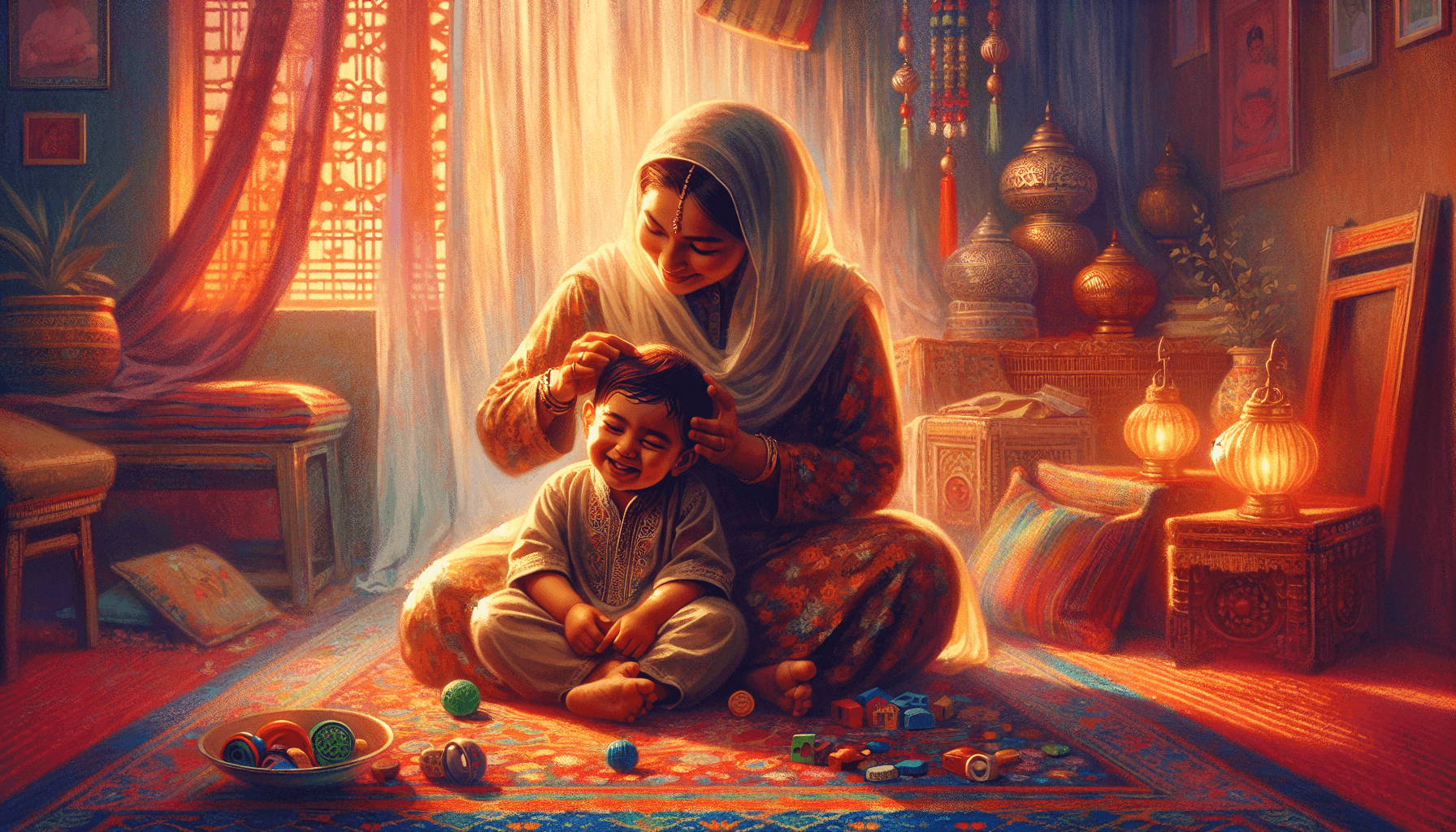
Understanding Child Behavior and Mood Changes
As parents, we often find ourselves puzzled by the sudden shifts in our child's mood and behavior. One moment they are gleefully playing, and the next, they may be throwing a tantrum or sulking in a corner. Understanding these behavioral changes is crucial for nurturing a healthy emotional atmosphere for your child. In this post, we will explore the reasons behind these fluctuations and how you can effectively respond to them.
Why Do Children Experience Mood Changes?
Children are incredibly sensitive to their environment and the changes happening around them. Several factors can contribute to mood swings and behavioral changes:
- Developmental Stages: As children grow, they go through various developmental phases that can lead to changes in their behavior. For instance, toddlers are learning to assert their independence, which can manifest as defiance or temper tantrums.
- Emotional Regulation: Young children often lack the skills to regulate their emotions effectively. They may feel overwhelmed by feelings of anger, sadness, or frustration, which can lead to outbursts or withdrawal.
- External Influences: Changes in routine, new siblings, or even starting school can significantly affect a child's mood. These transitions can create anxiety or stress, leading to behavioral changes.
- Physical Well-being: Sometimes, mood changes may stem from physical discomfort. Illness, lack of sleep, or hunger can lead to irritability and mood swings in children.
Recognizing Signs of Mood Changes
As a parent, being attuned to your child's behavior can help you identify when they are experiencing mood changes. Look out for:
- Changes in Energy Levels: A sudden drop in energy or enthusiasm can indicate that something is bothering them.
- Withdrawal: If your child suddenly becomes quiet or isolated, they may be dealing with feelings they cannot express.
- Tantrums and Outbursts: Frequent tantrums can signal that your child is struggling with emotional regulation.
- Changes in Appetite or Sleep Patterns: A lack of appetite or difficulty sleeping can also be indicators of emotional distress.
How to Support Your Child Through Mood Changes
Understanding that mood changes are a normal part of childhood is essential. Here are some strategies to help you support your child:
- Encourage Open Communication: Create a safe space for your child to express their feelings. Teach them to articulate their emotions by using simple phrases like "I feel sad" or "I am angry."
- Validate Their Feelings: Acknowledge your child's emotions, even if they seem irrational. Let them know it's okay to feel upset and that you are there to help them through it.
- Establish Routines: Children thrive on routine, which provides a sense of security. Having predictable daily schedules can ease anxiety and promote emotional stability.
- Model Healthy Coping Strategies: Demonstrate how to handle difficult emotions by using healthy coping mechanisms such as deep breathing, taking a break, or engaging in a calming activity.
- Seek Professional Help if Needed: If mood changes are severe or persistent, consider consulting a child psychologist or counselor who specializes in childhood behavior.
Conclusion
Understanding child behavior and mood changes can be challenging, but with patience and empathy, you can help your child navigate these emotional waters. By fostering open communication and providing a supportive environment, you empower your child to express their feelings and develop emotional resilience. Remember, every child is unique, and what works for one may not work for another. Trust your instincts, and don’t hesitate to seek guidance if needed. Together, you and your child can manage these changes and grow stronger in your relationship.
Kanika
Author - Parenting and Maternal Wellness
Hi, I’m Kanika, a parenting and maternal wellness writer at Mamaverse. I’m passionate about creating clear, practical, and thoughtfully researched content that helps parents feel more informed and confident throughout their parenting journey. I write about pregnancy, newborn care, baby development, toddler care, child development, parenting challenges, and family well-being. Before creating content, I focus on understanding the topic carefully and referring to reliable and authoritative sources, especially when the subject involves health, safety, or child development. Through Mamaverse, my goal is to simplify overwhelming parenting information into guidance that is easy to understand and useful in everyday life. I also believe that every pregnancy, child, and family is different, so my content is designed to educate and support—not replace personalized advice from qualified healthcare professionals. My Areas of Focus: Pregnancy, Maternal Wellness, Newborn Care, Baby Care, Toddler Care, Child Development, Parenting, and Family Well-being
Comments (0)
Leave a Comment
Related Articles

Signs of a Healthy Child Every Parent Should Know
Recognizing the signs of a healthy child is essential for every parent. Learn what to look for to ensure your child's well-being.

Common Childhood Illnesses and How Parents Can Handle Them
Learn about common childhood illnesses and effective ways parents can manage them, ensuring your child's health and comfort.

When Should Parents Worry About a Child’s Fever
Understanding when a child's fever becomes a concern is essential for parents. Learn the signs and when to seek help.

Why Regular Health Checkups Are Important for Kids
Regular health checkups for kids are essential for monitoring growth and preventing health issues. Learn why these visits matter.