The Safe Explorer: How to Design a "No-Crash" Environment for Your Baby's Walker Adventures
The Safe Explorer: How to Design a "No-Crash" Environment for Your Baby's Walker Adventures
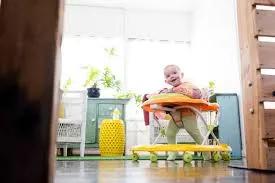
The Safe Explorer: How to Design a "No-Crash" Environment for Your Baby's Walker Adventures
Speed, Momentum, and Curiosity
When a baby moves from crawling to a baby walker, their speed increases exponentially. A crawler moves at roughly 0.1 meters per second; a baby in a walker can reach speeds of 1 meter per second in a heartbeat. At Mamaverse, we know that speed plus curiosity can lead to "incidents" if the environment isn't managed. This guide focuses on the physics of walker safety and how to create a controlled space for your little explorer.
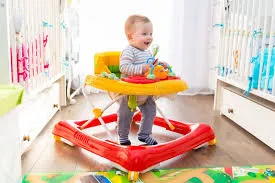
1. The Physics of Momentum ($p = mv$)
In a walker, your baby has a higher Momentum ($p$) because both their velocity ($v$) and the mass ($m$) of the walker have increased. This means they cannot stop instantly.
A StarAndDaisy walker is engineered with Anti-Skid Friction Pads on the base. These pads are designed to act as automatic brakes if the wheels lose contact with the floor (for example, if a baby tries to move over a step). The friction between the pads and the floor creates a counter-force that halts the momentum before a fall occurs.
2. Managing "Reach-Height" and New Hazards
One of the most overlooked aspects of walker use is the "Vertical Reach." In a walker, a baby is 2–3 feet taller than when they are on their tummies.
- The Tablecloth Trap: Babies can now reach the edge of tablecloths, potentially pulling heavy items onto themselves.
- The Cord Hazard: Hanging cords from lamps or blinds become accessible.
- The Kitchen Boundary: The kitchen should always be a "No-Go" zone for walkers due to the risk of hot spills and oven doors.
3. Floor Surfaces and Rolling Resistance
Not all floors are created equal.
Hardwood/Tile: Offer low Rolling Resistance, meaning the walker moves very fast.
Carpet: Offers high resistance, which is better for beginners who need to build strength.
Many StarAndDaisy walkers on the app feature "Adjustable Speed Wheels." By tightening the tension on the rear wheels, you can increase the resistance on hard floors, preventing the walker from "running away" from a baby who is still learning to control their legs.
4. The "Golden Rule" of Supervision
Even with the most advanced safety features, a walker is a tool for interactive play, not a babysitter. The most important safety "device" is your presence. Limit walker sessions to 15–20 minutes at a time. This prevents muscle fatigue and ensures the baby remains engaged with the activity tray rather than just aiming for the horizon.
Conclusion
Safety in a walker is a combination of smart engineering and smart parenting. By understanding momentum, managing your home’s vertical hazards, and adjusting wheel resistance, you turn your home into a safe training ground for your baby’s independence. Explore the safety-certified range at StarAndDaisy and let the adventures begin safely!