Gentle Parenting Tips That Work for Indian Families
Discover effective gentle parenting tips tailored for Indian families. Embrace empathy, connection, and respectful communication with your children.
Gentle Parenting Tips That Work for Indian Families
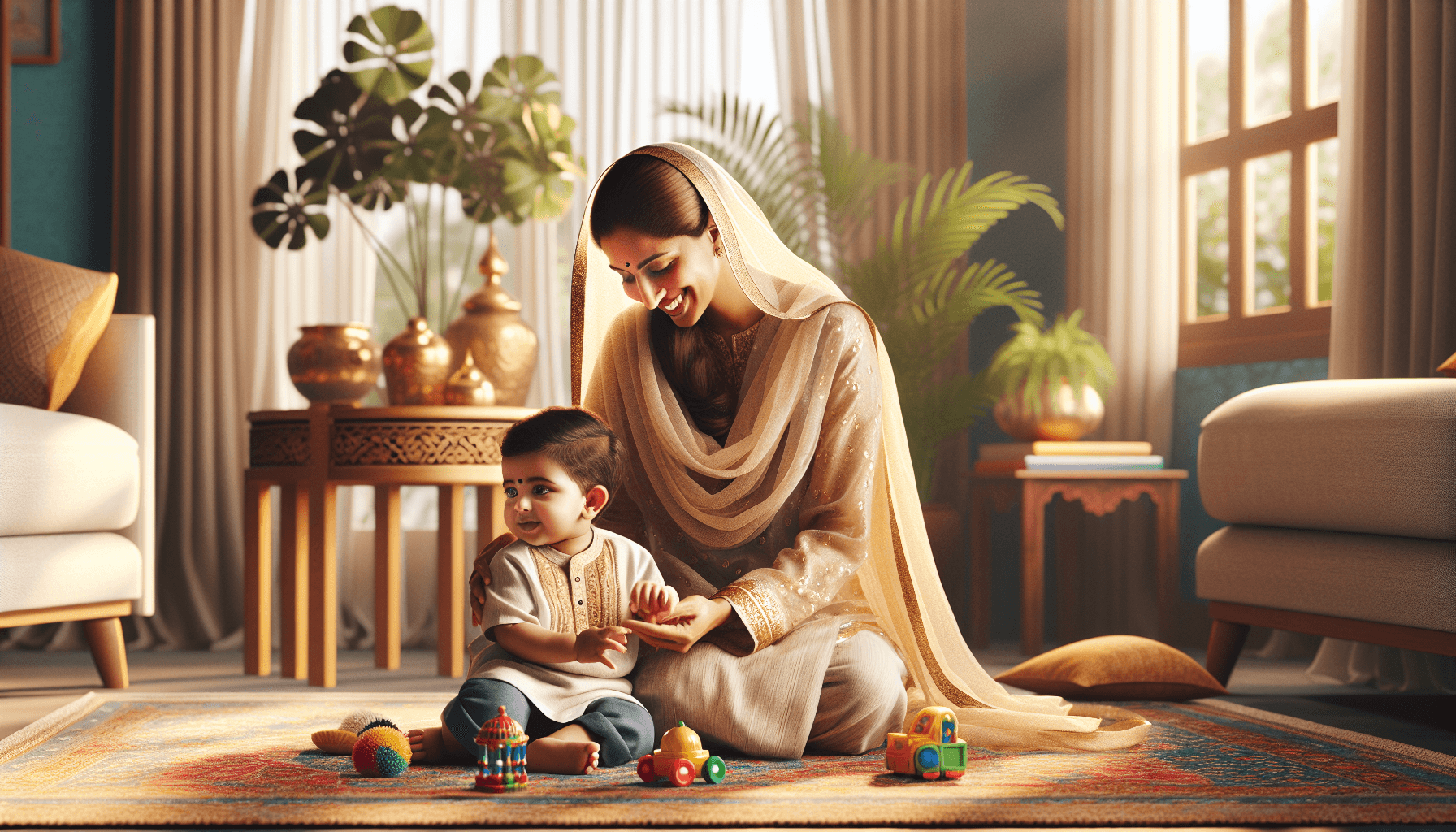
Gentle parenting is a nurturing approach that emphasizes empathy, respect, and understanding. In the bustling environment of Indian families, where cultural values and traditions play a significant role, integrating gentle parenting can create a harmonious atmosphere for both parents and children. Here are some effective gentle parenting tips that resonate well with Indian families.
1. Embrace Empathy
Empathy is at the heart of gentle parenting. Understanding and acknowledging your child's feelings can foster a strong emotional connection. When your child is upset, instead of dismissing their feelings, try saying, "I can see you're feeling sad, and that's okay. Let's talk about it." This validation helps them feel understood and supported.
2. Foster Open Communication
Encouraging your child to express their thoughts and feelings openly is crucial. Create a safe space where they can share without fear of judgment. Use age-appropriate language and listen actively. For instance, if your child is hesitant about going to school, ask them what concerns they might have and discuss possible solutions together.
3. Set Clear Boundaries with Kindness
While gentle parenting promotes understanding, it’s also essential to establish clear boundaries. Instead of using harsh discipline, explain the reasons behind certain rules. For example, if your child is throwing toys, explain, "Toys are precious, and we need to take care of them. Let's find a better way to play." This method not only teaches respect for belongings but also encourages self-regulation.
4. Use Positive Reinforcement
Recognizing and praising good behavior can be more effective than focusing on negative actions. When your child helps with chores or shares with siblings, acknowledge their efforts. Simple phrases like, "I'm so proud of you for helping today!" can boost their self-esteem and reinforce positive behaviors.
5. Incorporate Cultural Values
In India, cultural values play a significant role in parenting. Integrate gentle parenting with traditional practices. For instance, storytelling can be a powerful tool. Use folk tales or family stories to impart moral lessons while bonding with your child. This method not only nurtures their imagination but also strengthens their connection to their cultural roots.
6. Practice Patience
Gentle parenting requires patience. Children are naturally curious and may test boundaries. Instead of reacting with frustration, take a deep breath and respond calmly. For example, if your toddler is having a tantrum in public, rather than scolding them, try to soothe them with a gentle touch and reassure them that it's okay to feel upset.
7. Model the Behavior You Wish to See
Children learn a lot from observing their parents. Demonstrate the qualities you wish to instill in them, such as kindness, respect, and empathy. If you want your child to be respectful towards others, show them how you treat people around you with dignity and understanding.
8. Encourage Independent Play
Allow your children to explore and play independently. This not only fosters creativity but also helps them learn problem-solving skills. Set up a safe environment where they can play freely while you supervise from a distance. When they encounter challenges, resist the urge to intervene immediately; instead, let them find solutions on their own.
9. Prioritize Quality Family Time
In the hustle and bustle of daily life, it’s easy to lose sight of quality family time. Make it a priority to spend time together, whether it’s playing games, cooking, or simply talking about your day. This strengthens family bonds and helps children feel secure and loved.
10. Seek Support When Needed
Finally, remember that parenting is a journey, and it’s okay to seek support. Connect with other parents who embrace gentle parenting. Share experiences, tips, and challenges. This community can provide encouragement and additional resources that can help you on your parenting journey.
Conclusion
Gentle parenting is not just a trend; it’s a way of nurturing deeper connections with your child while fostering their emotional and social development. By integrating these gentle parenting tips into your daily routine, Indian families can create a loving and respectful environment that benefits both parents and children. Remember, it’s about progress, not perfection. Be gentle with yourself as you navigate this beautiful journey of parenthood.
Kanika
Author - Parenting and Maternal Wellness
Hi, I’m Kanika, a parenting and maternal wellness writer at Mamaverse. I’m passionate about creating clear, practical, and thoughtfully researched content that helps parents feel more informed and confident throughout their parenting journey. I write about pregnancy, newborn care, baby development, toddler care, child development, parenting challenges, and family well-being. Before creating content, I focus on understanding the topic carefully and referring to reliable and authoritative sources, especially when the subject involves health, safety, or child development. Through Mamaverse, my goal is to simplify overwhelming parenting information into guidance that is easy to understand and useful in everyday life. I also believe that every pregnancy, child, and family is different, so my content is designed to educate and support—not replace personalized advice from qualified healthcare professionals. My Areas of Focus: Pregnancy, Maternal Wellness, Newborn Care, Baby Care, Toddler Care, Child Development, Parenting, and Family Well-being
Comments (0)
Leave a Comment
Related Articles

Portable Baby Bassinets for Travel-Friendly Parenting
Discover the benefits of portable baby bassinets and how they make travel easier for parents. Explore options for safe and comfy sleep on the go.

Common Mistakes First-Time Parents Make (And How to Avoid Them)
Navigating parenthood can be overwhelming. Discover common mistakes first-time parents make and how to avoid them for a smoother journey.

Minimalist Parenting: Buy Less but Choose Smart
I used to think loving my baby meant buying everything in the baby aisle. Six months later, her favourite toy was a wooden spoon—and half the products sat unused. That’s when minimalist parenting made sense.
Indoor vs Outdoor Baby Gear: What Modern Parents Should Invest In
Indoor vs outdoor baby gear—what should parents actually invest in? A practical guide to help you spend smart based on your lifestyle.