From Sitting to Standing: How Walkers and Push-Toys Support Your Baby’s Big Milestone
From Sitting to Standing: How Walkers and Push-Toys Support Your Baby’s Big Milestone
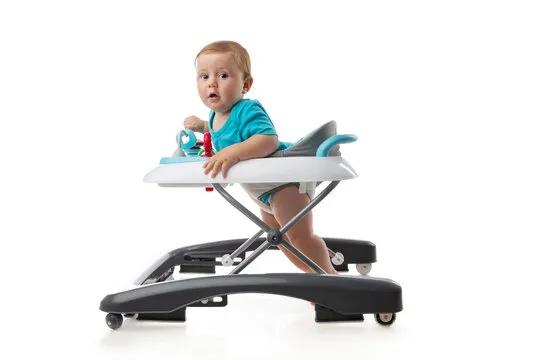
From Sitting to Standing: How Walkers and Push-Toys Support Your Baby’s Big Milestone
Introduction: The Journey to the First Step
In the Mamaverse, there is no milestone more anticipated than the first step. It changes everything—how you play, how you baby-proof, and how you see your child. But "walking" isn't a switch that flips; it’s a gradual progression of strength, balance, and confidence. Many parents use a baby walker or a push-toy to encourage this transition.
This 1500-word guide breaks down the "biological mechanics" of learning to walk. We will discuss how to encourage "cruising," how a baby walker builds leg strength, and the psychological boost a baby gets when they realize they can move on their own. At Mamaverse.co, we believe the right support at the right time makes the journey to the first step smoother for everyone. With StarAndDaisy, your baby’s safety is our foundation.
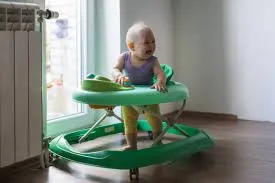
1. Building the "Standing Muscles"
Walking requires a massive amount of core and leg strength that a baby simply doesn't have at 6 months.
Weight-Bearing Practice: When a baby uses a StarAndDaisy walker, they are practicing "proprioception"—the brain's ability to sense where the limbs are in space. By pushing against the floor, they strengthen their calves and thighs. This "resistance training" is the first step toward the stability they will need to stand without support.
2. The Confidence Factor: Overcoming the Fear of Falling
Learning to walk is scary! Babies often fall, and after a few bumps, they can become "cautious."
- The "Safe Enclosure" Advantage: A seated walker provides a physical "safety net." It allows a baby to experience the motion of walking without the fear of a hard fall. This builds "movement confidence."
- The Transition to Push-Toys: Once they are stronger, moving to a StarAndDaisy Push-Walker (where they stand behind the toy) challenges their balance further while still providing a "handle" for security.
3. Developing "Cruising" Skills
Before walking, babies "cruise"—moving sideways while holding onto furniture.
You can use your baby walker to encourage this. Place the baby's favorite toys just out of reach on the walker’s tray. As they move to grab them, they are learning to shift their weight from one leg to another—a critical skill for walking. StarAndDaisy designs include 360-degree swivel wheels to make this weight-shifting easier for beginners.
4. Posture and Body Awareness
Walking isn't just about legs; it's about the back and head.
- Upright Perspective: Being in a walker shifts the baby's gaze from the floor to the horizon. This encourages them to hold their head up and straighten their neck muscles.
- StarAndDaisy Support: Our walkers feature high backrests. This ensures that even if the baby gets tired and "slumps," their spine remains supported in a healthy, upright position.