From Bouncing to Walking: Understanding the Developmental Stages of Your Baby's Walker
From Bouncing to Walking: Understanding the Developmental Stages of Your Baby's Walker
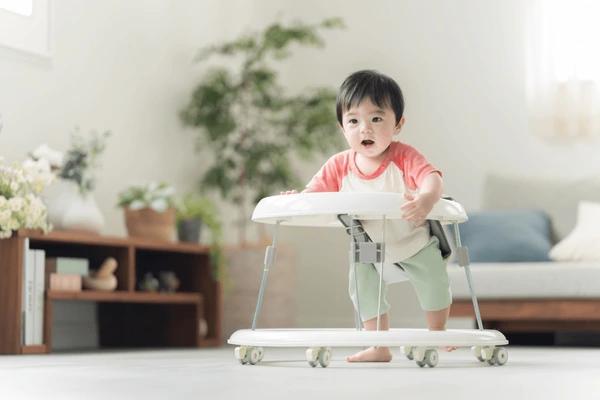
From Bouncing to Walking: Understanding the Developmental Stages of Your Baby's Walker
The Journey of a Thousand Scoots
In the "Mamaverse," we know that every baby develops at their own pace. A walker isn't just a "one-stage" toy; it actually supports several different developmental phases as your baby prepares for their first independent steps. Understanding these stages helps you engage with your child more effectively using your StarAndDaisy walker. Let's look at the "Walker Timeline."
1. The "Bouncy" Stage (Initial Core Strength)
When you first put your baby in a walker, they might not move forward at all. Instead, they might just bounce up and down.
What's happening: This is a sign of Axial Strength building. They are learning to support their weight through their trunk and hips.
The Benefit: This vertical movement stimulates the Vestibular System (the inner ear's balance sensor). StarAndDaisy walkers feature comfortable, padded seats that allow for this "active sitting," giving your baby the support they need while they find their land legs.
2. The "Backwards" Phase (The Logic of Movement)
It’s a common "Mamaverse" observation: babies often start by walking backward!
The Reason: It is mechanically easier for a baby to push off with their front feet and slide backward than it is to coordinate a forward step.
The Growth: Don't worry—this is a major Cognitive Milestone. It shows they understand that their leg movement creates motion. Once they master the "push," they will soon figure out the "pull" needed to go forward. The smooth-gliding wheels on StarAndDaisy walkers make this experimentation frustration-free.
3. The "Cruising" Stage (Lateral Coordination)
As they get more comfortable, babies start moving side-to-side to reach toys on the tray or objects in the room.
The Science: This develops Lateral Muscle Strength. In a walker, they are practicing the "Cruising" motion they will later use to walk along the side of a sofa. This coordination between the left and right sides of the body is essential for Bilateral Integration. A StarAndDaisy walker provides a stable 360-degree platform for this important practice.
4. The "Targeted Mission" (Goal-Oriented Play)
The final stage is when your baby spots something across the room and moves directly toward it.
The Achievement: This is Intentional Mobility. It combines physical strength with visual focus and mental planning.
When your baby uses their StarAndDaisy walker to "hunt" for a stray ball or follow a sibling, they are showing that they are nearly ready for independent walking. They have the confidence, the strength, and the curiosity to move through their world.
Conclusion
Every phase of walker play—even the backward scoots—is a step toward independence. By recognizing these milestones, you can celebrate your baby’s progress every day. Ready to support their journey? Find the perfect developmental partner at StarAndDaisy and let the walking begin!