Creating a Safe Play Area for Your Baby
Learn how to create a safe and engaging play area for your baby. Discover tips on safety measures, play materials, and space organization.
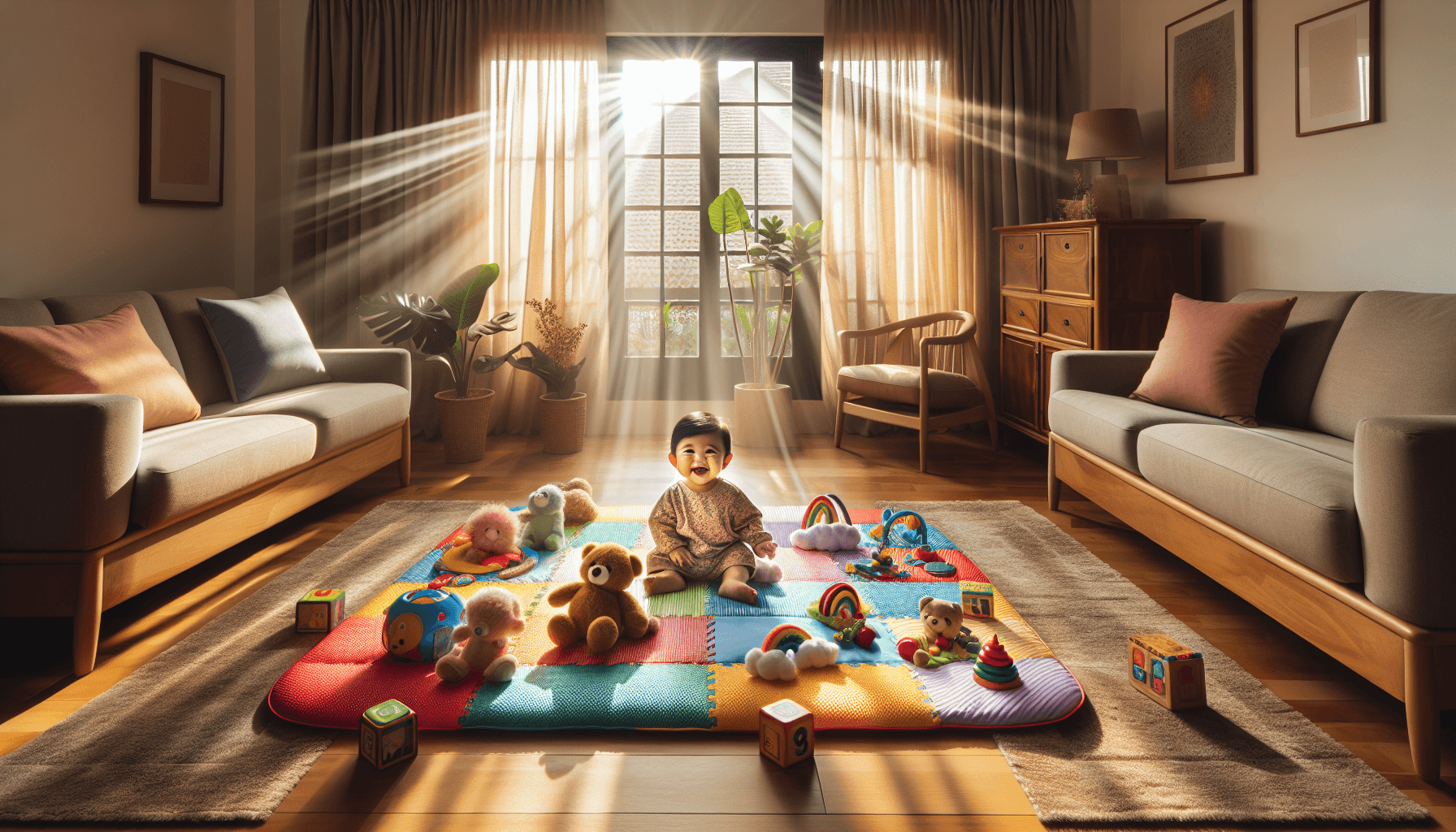
Creating a Safe Play Area for Your Baby
As a new parent, ensuring your baby's safety is undoubtedly your top priority. Creating a safe play area is essential for their development and exploration. In this guide, we will walk you through several strategies to set up a secure and stimulating environment for your little one.
Why a Safe Play Area is Important
Babies are naturally curious and eager to explore their surroundings. A safe play area allows them to do so without the constant worry of hazards. This space can promote physical, cognitive, and social development as they engage with age-appropriate toys and enjoy unstructured playtime.
Choosing the Right Location
When selecting a location for your baby's play area, consider the following:
- Space: Choose a spacious area that allows your baby to move freely and explore without restrictions.
- Visibility: Ensure the play area is easily visible from where you spend most of your time, allowing for close supervision.
- Surface: Look for a soft surface such as a carpet or playmat to cushion falls and prevent injuries.
Essential Safety Measures
Once you have chosen the location, it's important to implement safety measures to protect your baby:
- Baby Gates: Install baby gates to block off stairs or hazardous areas. This prevents your baby from wandering into unsafe zones.
- Secure Furniture: Anchor heavy furniture like bookshelves and dressers to the wall to prevent tipping.
- Cover Outlets: Use outlet covers to protect your baby from electrical hazards.
- Remove Small Objects: Ensure that small items that could pose choking hazards are out of reach.
Choosing Safe Toys
Selecting the right toys is crucial for your baby's safety and development. Consider the following tips when choosing toys:
- Age-Appropriate: Opt for toys that are designed for your baby's age group to ensure they are safe and beneficial for their development.
- No Small Parts: Avoid toys with small parts that could be swallowed or pose a choking risk.
- Non-Toxic Materials: Choose toys made from non-toxic, BPA-free materials to minimize any health risks.
Organizing the Play Area
Organizing the play area can enhance your baby's play experience. Here are some tips:
- Designate Zones: Create specific zones for different types of play, such as a reading corner, a sensory area, or a space for active play.
- Keep It Clean: Regularly clean the play area and toys to maintain hygiene and prevent the spread of germs.
- Rotate Toys: To keep your baby engaged, rotate toys every few weeks. This creates a fresh experience and encourages exploration.
Encouraging Exploration
Once the play area is set up, encourage your baby's exploration:
- Interactive Play: Join your baby in playtime to make it more engaging. Teach them how to use toys and explore their surroundings.
- Monitor Progress: Observe your baby's development and interests, adjusting the play area and toys as they grow and their skills evolve.
Conclusion
Creating a safe play area for your baby is a rewarding task that promotes their growth and security. By following these guidelines, you can ensure your baby has a safe space to explore, learn, and play. Remember, safety is not just about preventing accidents; it’s about fostering a joyful environment where your little one can thrive.
Comments (0)
Leave a Comment
Related Articles

Signs of a Healthy Child Every Parent Should Know
Recognizing the signs of a healthy child is essential for every parent. Learn what to look for to ensure your child's well-being.
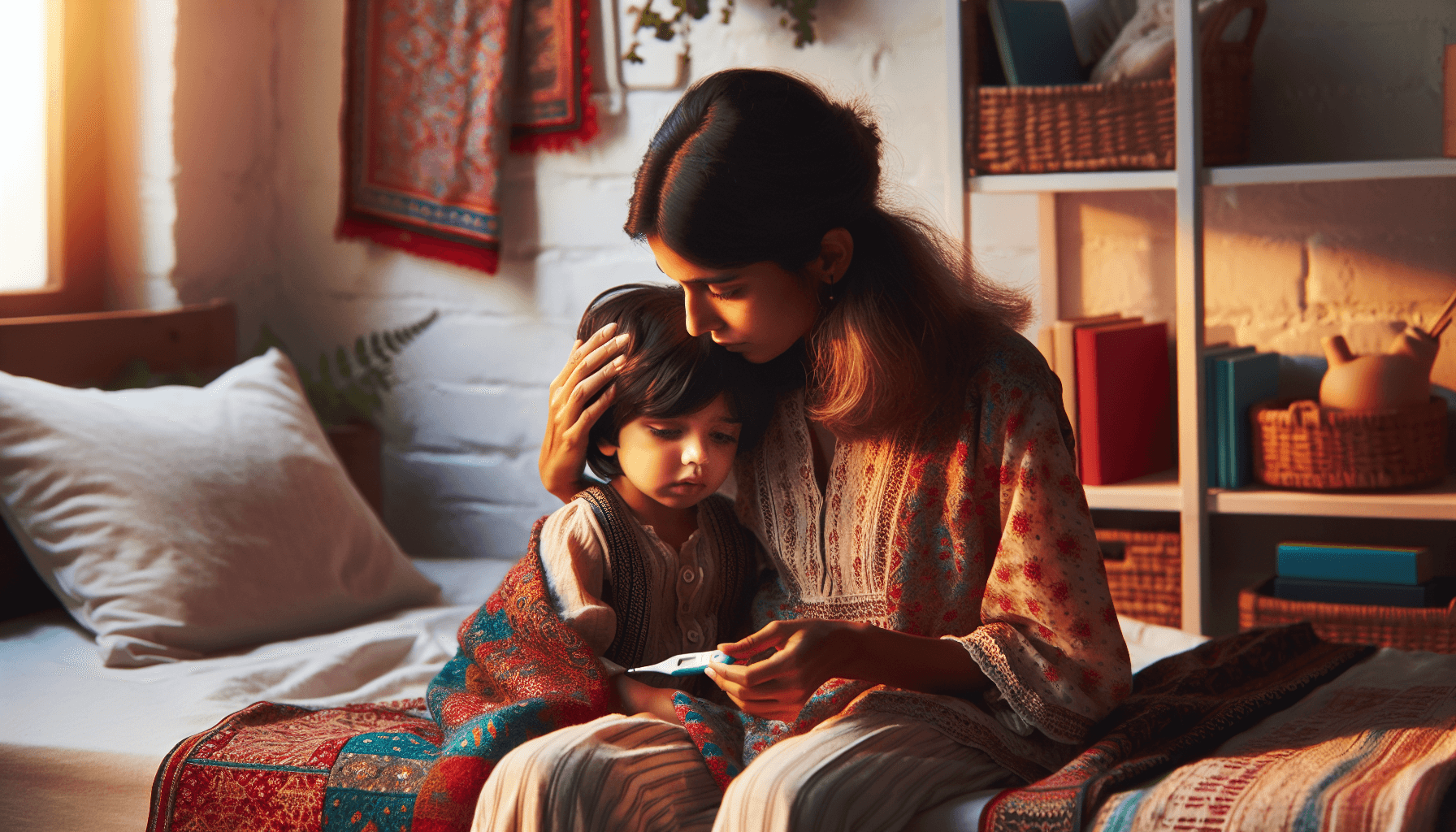
Common Childhood Illnesses and How Parents Can Handle Them
Learn about common childhood illnesses and effective ways parents can manage them, ensuring your child's health and comfort.

When Should Parents Worry About a Child’s Fever
Understanding when a child's fever becomes a concern is essential for parents. Learn the signs and when to seek help.
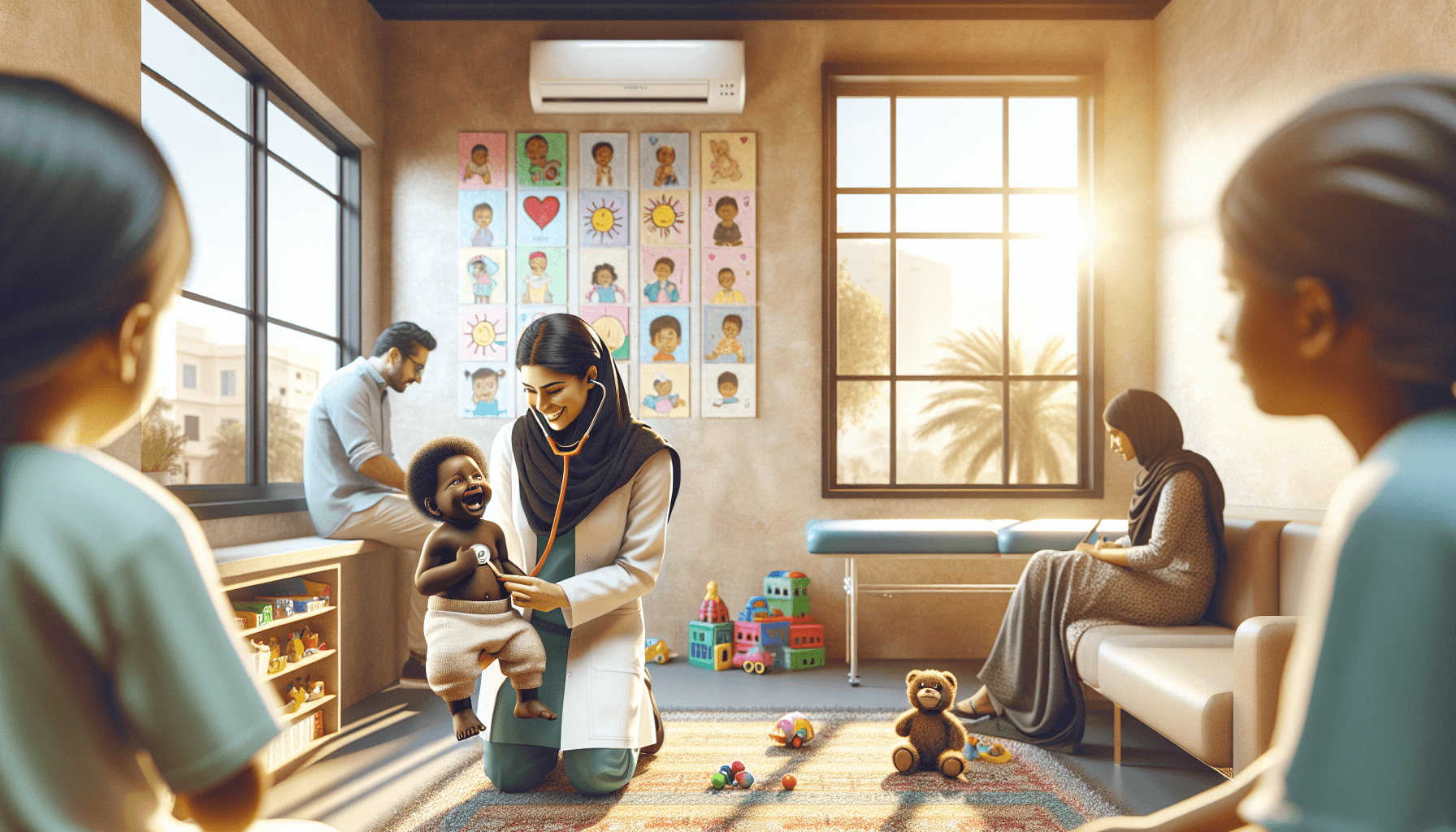
Why Regular Health Checkups Are Important for Kids
Regular health checkups for kids are essential for monitoring growth and preventing health issues. Learn why these visits matter.