Creating a Positive Parenting Environment at Home
Discover effective strategies to foster a positive parenting environment at home, nurturing happy and healthy children.
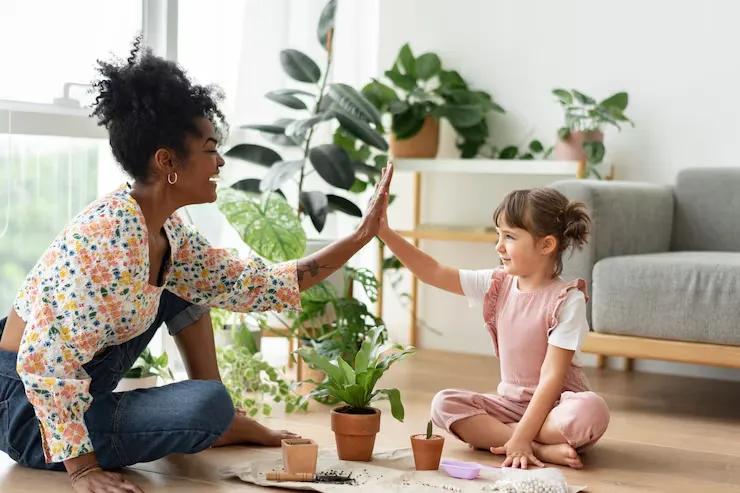
Creating a Positive Parenting Environment at Home
In today’s fast-paced world, creating a nurturing and positive environment for your children is more important than ever. A supportive home fosters healthy emotional and psychological development, helping your child thrive. In this article, we will explore practical strategies to build a positive parenting environment that encourages love, respect, and understanding.
1. Foster Open Communication
Encouraging open communication is vital for a healthy family dynamic. Here are some ways to promote this:
- Active Listening: Make it a habit to listen to your child without interrupting. Validate their feelings by acknowledging what they say.
- Encourage Expression: Create an environment where your child feels safe to express their thoughts and emotions without fear of judgment.
- Regular Family Meetings: Schedule weekly family discussions to share experiences, address concerns, and celebrate achievements.
2. Set Clear Boundaries and Expectations
Children thrive when they know what is expected of them. Establishing clear rules helps them understand boundaries:
- Consistency is Key: Be consistent with rules and consequences. This builds trust and security in your child.
- Involve Your Child: When setting rules, involve your child in the process. This helps them feel valued and more likely to adhere to the guidelines.
- Positive Reinforcement: Recognize and reward good behavior to motivate your child to follow the established rules.
3. Create a Loving Atmosphere
Love is the foundation of a positive parenting environment. Here are ways to cultivate love at home:
- Quality Time: Spend quality time with your children, engaging in activities they enjoy. This strengthens your bond and creates lasting memories.
- Express Affection: Regularly express your love through hugs, words of affirmation, and encouragement. Simple gestures can have a huge impact.
- Model Kindness: Show empathy and kindness in your interactions, demonstrating how to treat others with respect.
4. Encourage Independence and Responsibility
Fostering independence empowers your child and builds their confidence. Here are ways to encourage this:
- Age-Appropriate Tasks: Assign age-appropriate chores to teach responsibility and life skills.
- Decision-Making: Allow your child to make choices, whether it’s what to wear or what snack to have. This helps them develop critical thinking skills.
- Support Problem-Solving: Instead of providing solutions, guide them to think through problems and find their own solutions.
5. Create a Safe Space for Mistakes
Children learn and grow from their mistakes. Here’s how to create a safe space for them:
- Encourage Risk-Taking: Allow your child to take safe risks, which can foster creativity and resilience.
- Teach Resilience: Help your child understand that mistakes are part of learning. Share your own experiences to illustrate this point.
- Focus on Solutions: Instead of dwelling on what went wrong, shift the focus to what can be done differently next time.
6. Be a Role Model
Your actions speak louder than words. As a parent, it’s essential to model the behavior you want to see in your child:
- Practice Self-Care: Take care of your physical and mental health to be a positive influence on your child.
- Show Respect: Treat everyone in your household with respect, including your partner and other family members.
- Demonstrate Positivity: Maintain a positive attitude even in challenging situations. Your resilience will inspire your child.
7. Encourage Family Traditions
Family traditions create a sense of belonging and identity. Consider establishing the following:
- Weekly Family Nights: Dedicate one night a week for family activities like movie nights, game nights, or cooking together.
- Celebrate Milestones: Acknowledge birthdays, achievements, and special occasions to create lasting memories.
- Volunteer Together: Engage in community service as a family, teaching your children the importance of giving back.
Conclusion
Creating a positive parenting environment at home is a continuous journey that requires effort, patience, and love. By fostering open communication, setting clear boundaries, and nurturing a loving atmosphere, you can help your child grow into a confident and compassionate individual. Remember, the most important thing is to be present and engaged in your child’s life. Together, you can create a home filled with positivity and joy.
Kanika
Author - Parenting and Maternal Wellness
Hi, I’m Kanika, a parenting and maternal wellness writer at Mamaverse. I’m passionate about creating clear, practical, and thoughtfully researched content that helps parents feel more informed and confident throughout their parenting journey. I write about pregnancy, newborn care, baby development, toddler care, child development, parenting challenges, and family well-being. Before creating content, I focus on understanding the topic carefully and referring to reliable and authoritative sources, especially when the subject involves health, safety, or child development. Through Mamaverse, my goal is to simplify overwhelming parenting information into guidance that is easy to understand and useful in everyday life. I also believe that every pregnancy, child, and family is different, so my content is designed to educate and support—not replace personalized advice from qualified healthcare professionals. My Areas of Focus: Pregnancy, Maternal Wellness, Newborn Care, Baby Care, Toddler Care, Child Development, Parenting, and Family Well-being
Comments (0)
Leave a Comment
Related Articles
Portable Baby Bassinets for Travel-Friendly Parenting
Discover the benefits of portable baby bassinets and how they make travel easier for parents. Explore options for safe and comfy sleep on the go.

Common Mistakes First-Time Parents Make (And How to Avoid Them)
Navigating parenthood can be overwhelming. Discover common mistakes first-time parents make and how to avoid them for a smoother journey.
Minimalist Parenting: Buy Less but Choose Smart
I used to think loving my baby meant buying everything in the baby aisle. Six months later, her favourite toy was a wooden spoon—and half the products sat unused. That’s when minimalist parenting made sense.
Indoor vs Outdoor Baby Gear: What Modern Parents Should Invest In
Indoor vs outdoor baby gear—what should parents actually invest in? A practical guide to help you spend smart based on your lifestyle.