Child Nutrition Ideas for Balanced Meals
Explore creative meal ideas that ensure your child receives balanced nutrition. Discover tips to make healthy eating fun and exciting!
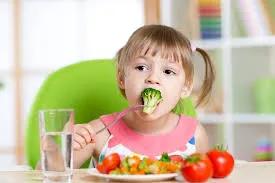
Child Nutrition Ideas for Balanced Meals
Ensuring that your child receives balanced nutrition is vital for their growth, development, and overall well-being. As a parent, you want to provide meals that not only nourish your child but also excite their taste buds. Here are some creative ideas and tips to help you serve balanced meals that are both nutritious and enjoyable.
Understanding Balanced Meals
A balanced meal typically includes a variety of food groups: carbohydrates, proteins, healthy fats, vitamins, and minerals. Aim for a colorful plate that features:
- Fruits and Vegetables: These should make up half of your child's plate. They provide essential vitamins, minerals, and fiber.
- Whole Grains: Opt for whole grain bread, pasta, or rice as a source of energy and fiber.
- Proteins: Include various protein sources like lean meats, fish, eggs, dairy, beans, and legumes.
- Healthy Fats: Avocados, nuts, seeds, and olive oil are great options for promoting brain health.
Creative Meal Ideas
Here are some fun and nutritious meal ideas for your little ones:
1. Rainbow Veggie Wraps
Use whole grain tortillas and fill them with a variety of colorful vegetables like bell peppers, carrots, spinach, and cucumbers. Add some hummus or yogurt dressing for extra flavor.
2. Protein-Packed Pancakes
Make pancakes using whole wheat flour, mashed bananas, and eggs. Serve them with a side of fresh fruit and a drizzle of honey for a wholesome breakfast.
3. Quinoa Salad
Cook quinoa and mix it with diced cucumbers, tomatoes, corn, black beans, and chopped cilantro. Dress it with lime juice and olive oil for a refreshing meal.
4. DIY Pizza Night
Let your child create their own pizza using whole wheat pita bread or a cauliflower crust. Provide toppings like tomato sauce, cheese, and a variety of vegetables for them to choose from.
5. Fruit and Yogurt Parfait
Layer Greek yogurt with a mix of berries, granola, and a drizzle of honey for a delicious and nutritious dessert or snack.
Incorporating Variety
Children can be picky eaters, so it’s essential to introduce a variety of foods. Here are some tips to make meals exciting:
- Colorful Plates: Engage your child by serving meals that are visually appealing. The more colors on their plate, the better!
- Fun Shapes: Use cookie cutters to create fun shapes with fruits, vegetables, or sandwiches.
- Involve Your Child: Allow your child to help in meal preparation. Kids are more likely to eat what they’ve helped to make.
- Themed Meals: Create themed meals around different countries or cultures to introduce new flavors and cuisines.
Healthy Snacking Options
Between meals, healthy snacks can help your child maintain energy levels. Here are some nutritious snack ideas:
- Vegetable Sticks: Carrot, cucumber, and celery sticks served with hummus or yogurt dip.
- Fruit Skewers: Assemble pieces of various fruits on skewers for a fun and portable snack.
- Nuts and Seeds: A small handful of nuts or seeds can be a great source of healthy fats and protein.
- Whole Grain Crackers: Serve with cheese or nut butter for a satisfying snack.
Encouraging Healthy Eating Habits
Beyond serving balanced meals, it’s crucial to instill healthy eating habits. Here are some strategies:
- Consistent Meal Times: Establish regular meal and snack times to help create a routine.
- Lead by Example: Show your child that you enjoy eating healthy foods, making them more likely to follow suit.
- Avoid Pressure: Encourage your child to try new foods without forcing them. It may take multiple exposures before they accept a new food.
Final Thoughts
Providing balanced meals for your child doesn’t have to be a chore. With a little creativity and planning, you can serve delicious and nutritious meals that promote healthy eating habits. Remember to celebrate the small victories in your child’s eating journey and enjoy the process of exploring new flavors together!
Dr. Vandana Raghav
Pediatrician & Child Health Expert
Hi, I’m Vandana Raghav, a pediatrician and child health expert associated with Mamaverse. My work is focused on helping parents better understand their child’s health, growth, development, nutrition, and overall well-being through reliable and practical guidance. As a pediatrician, I understand that parents often have questions and concerns at every stage of their child’s development. Through Mamaverse, I aim to make medically complex topics easier to understand while providing evidence-informed information that parents can use to have more informed conversations about their child’s care. My areas of interest include newborn care, infant health, child growth and development, nutrition, feeding, sleep, common childhood health concerns, preventive care, and overall child wellness. I believe trustworthy parenting and child-health information should be accurate, responsible, and easy to understand. My goal is to help Mamaverse provide parents with dependable health information while encouraging them to consult their pediatrician or other qualified healthcare professional whenever individualized medical assessment, diagnosis, or treatment is required. My Areas of Expertise: Pediatrics, Newborn Care, Infant Health, Child Health, Growth and Development, Child Nutrition, Preventive Care, Parenting and Child Wellness
Comments (0)
Leave a Comment
Related Articles

Signs of a Healthy Child Every Parent Should Know
Recognizing the signs of a healthy child is essential for every parent. Learn what to look for to ensure your child's well-being.

Common Childhood Illnesses and How Parents Can Handle Them
Learn about common childhood illnesses and effective ways parents can manage them, ensuring your child's health and comfort.

When Should Parents Worry About a Child’s Fever
Understanding when a child's fever becomes a concern is essential for parents. Learn the signs and when to seek help.

Why Regular Health Checkups Are Important for Kids
Regular health checkups for kids are essential for monitoring growth and preventing health issues. Learn why these visits matter.