Child Hygiene Tips Parents Should Teach Early
Teaching children hygiene habits early on lays the foundation for a lifetime of good health. Discover essential tips for parents!
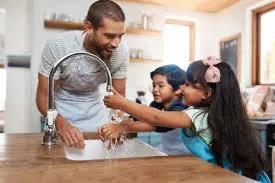
Essential Child Hygiene Tips Every Parent Should Teach Early
As parents, one of our primary responsibilities is to instill good habits in our children, and hygiene is one of the most crucial areas to focus on. Teaching children proper hygiene from an early age not only helps them stay healthy but also builds a foundation for lifelong good practices. In this article, we will explore essential child hygiene tips that every parent should teach their little ones.
1. Handwashing: The First Step to Health
Handwashing is one of the simplest yet most effective ways to prevent the spread of germs. Teach your child to wash their hands:
- Before eating
- After using the toilet
- After playing outside
- After coughing or sneezing
Make handwashing fun by singing a song or counting to 20 while they wash. Use soap and water, and if soap is not available, hand sanitizer can be a good alternative.
2. Bath Time: Making It a Routine
Regular bathing is essential for keeping your child’s skin clean and preventing infections. Depending on your child’s age and activity level:
- Infants may only need a bath a few times a week.
- Toddlers and older children should bathe daily or every other day.
Encourage your child to enjoy bath time by using fun bath toys or playing games. This will help them associate bathing with positive experiences.
3. Oral Hygiene: Start Early
Good oral hygiene is vital for your child’s health. Begin cleaning your baby's gums with a soft cloth even before their teeth emerge. Once teeth appear, follow these steps:
- Introduce a soft-bristled toothbrush and fluoride toothpaste when they are about 1 year old.
- Teach them to brush twice a day, morning and night.
- Make it a fun ritual by using songs or a timer.
Regular dental check-ups should also be scheduled to ensure their dental health is on track.
4. Nail Care: Keeping Nails Trimmed
Long nails can harbor dirt and germs, and they can also scratch your child or others. Teach your child about the importance of nail care:
- Keep nails trimmed short to prevent dirt accumulation.
- Encourage them to wash their hands after nail trimming.
- Discuss avoiding nail biting, which can introduce germs into the mouth.
Involve your child in the process so they understand why nail care matters.
5. Covering Coughs and Sneezes
Teach your child to cover their mouth and nose when they cough or sneeze. This can be done by:
- Using a tissue
- Coughing or sneezing into their elbow
Make sure to explain the importance of disposing of tissues properly and washing their hands afterward. This simple habit can significantly reduce the spread of germs.
6. Personal Items: Sharing Isn't Always Caring
Children often share toys and personal items, but it’s essential to teach them that some items should not be shared:
- Combs and brushes
- Towels
- Water bottles
Helping them understand this will minimize the risk of infections and promote a sense of personal responsibility.
7. Dressing Appropriately
Teach your child about dressing appropriately for different weather conditions. This includes:
- Wearing warm clothes in winter to prevent colds
- Wearing breathable fabrics in summer to avoid rashes
Encouraging them to choose their clothes can make this lesson more engaging and help them understand the importance of comfort and hygiene.
8. Healthy Eating: A Hygiene Connection
Nutrition also plays a significant role in hygiene. Encourage your child to:
- Eat a balanced diet with plenty of fruits and vegetables.
- Drink plenty of water to stay hydrated.
- Avoid excessive sugary snacks that can lead to dental problems.
Discuss how a healthy diet contributes to their overall well-being and hygiene.
Conclusion
Teaching your child good hygiene practices early on is a gift that will last a lifetime. By making these habits fun and engaging, you can help your child develop a strong foundation for maintaining their health and well-being. Remember, children learn best by example, so make sure to model good hygiene practices in your own routine too!
Dr. Vandana Raghav
Pediatrician & Child Health Expert
Hi, I’m Vandana Raghav, a pediatrician and child health expert associated with Mamaverse. My work is focused on helping parents better understand their child’s health, growth, development, nutrition, and overall well-being through reliable and practical guidance. As a pediatrician, I understand that parents often have questions and concerns at every stage of their child’s development. Through Mamaverse, I aim to make medically complex topics easier to understand while providing evidence-informed information that parents can use to have more informed conversations about their child’s care. My areas of interest include newborn care, infant health, child growth and development, nutrition, feeding, sleep, common childhood health concerns, preventive care, and overall child wellness. I believe trustworthy parenting and child-health information should be accurate, responsible, and easy to understand. My goal is to help Mamaverse provide parents with dependable health information while encouraging them to consult their pediatrician or other qualified healthcare professional whenever individualized medical assessment, diagnosis, or treatment is required. My Areas of Expertise: Pediatrics, Newborn Care, Infant Health, Child Health, Growth and Development, Child Nutrition, Preventive Care, Parenting and Child Wellness
Comments (0)
Leave a Comment
Related Articles

Signs of a Healthy Child Every Parent Should Know
Recognizing the signs of a healthy child is essential for every parent. Learn what to look for to ensure your child's well-being.
Common Childhood Illnesses and How Parents Can Handle Them
Learn about common childhood illnesses and effective ways parents can manage them, ensuring your child's health and comfort.

When Should Parents Worry About a Child’s Fever
Understanding when a child's fever becomes a concern is essential for parents. Learn the signs and when to seek help.
Why Regular Health Checkups Are Important for Kids
Regular health checkups for kids are essential for monitoring growth and preventing health issues. Learn why these visits matter.