Child Care Tips That Improve Kids’ Daily Life
Discover essential child care tips that can enrich your child's daily routine, promoting happiness and development.
Child Care Tips That Improve Kids’ Daily Life
As parents, we always strive to provide the best for our children, ensuring they are happy, healthy, and thriving. The daily life of a child is filled with opportunities for learning, growth, and joy. However, navigating through the myriad of responsibilities can sometimes be overwhelming. This is where effective child care tips come into play, offering simple yet impactful ways to enhance your child's everyday experiences.
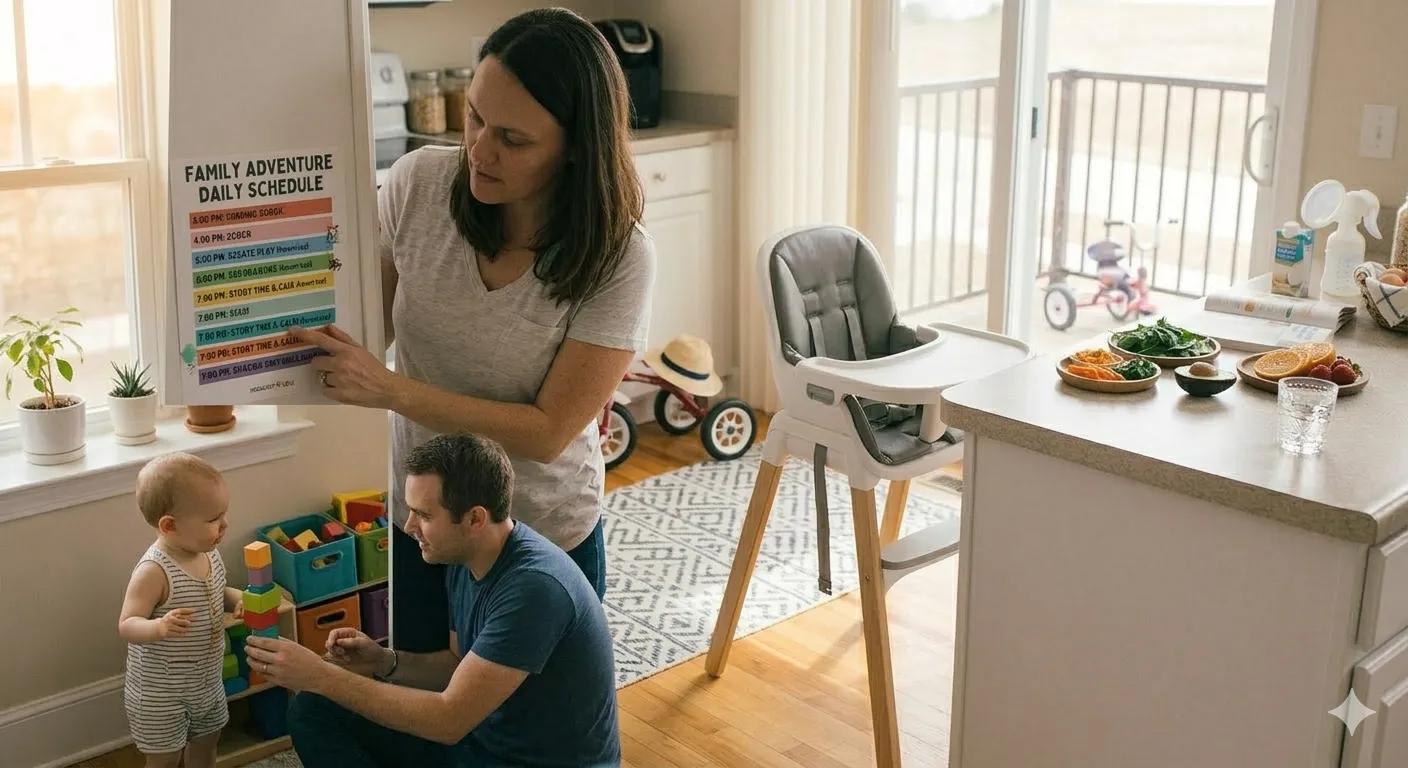
1. Establish a Consistent Routine
Children thrive on routine. A consistent daily schedule helps them feel secure and understand what to expect throughout the day. Here’s how to create an effective routine:
- Set regular meal times: Consistent meal times can improve digestion and ensure your child is getting enough nourishment.
- Designate specific times for play and study: This helps in balancing fun and learning, allowing children to know when to focus and when to unwind.
- Include bedtime rituals: A calming pre-bedtime routine can help signal to your child that it’s time to wind down, making it easier for them to settle in for sleep.
2. Encourage Healthy Eating Habits
Nutrition plays a vital role in a child’s physical and mental development. Here are some tips to promote healthy eating:
- Involve them in meal planning: Allow your child to participate in choosing meals, which can make them more excited about eating healthy.
- Lead by example: Make sure you are also eating a variety of healthy foods, as children often mimic their parents’ behaviors.
- Make meals colorful and fun: Present fruits and vegetables in creative ways to make them more appealing. For instance, using cookie cutters to create fun shapes can engage younger children.
3. Promote Physical Activity
Physical activity is crucial for a child’s growth and helps in developing motor skills. Here are some ways to incorporate more movement into their daily life:
- Make outdoor play a priority: Encourage outdoor activities like cycling, running, or playing games in the park.
- Limit screen time: Set boundaries on how much time your child spends on screens, encouraging them to engage in more physical play instead.
- Join them: Participate in physical activities together as a family. Whether it’s a game of catch or a dance-off in the living room, your involvement can motivate them.
4. Foster Emotional Well-being
Emotional health is as important as physical health. Here are ways to support your child’s emotional development:
- Encourage open communication: Create a safe space for your child to express their feelings and thoughts without judgment.
- Teach coping skills: Help your child learn how to manage their emotions, such as taking deep breaths when they feel overwhelmed.
- Be attentive: Notice changes in their behavior or mood and address any concerns they may have, showing them that their feelings matter.
5. Create a Positive Learning Environment
Learning should be an enjoyable experience. Here’s how you can make it more engaging:
- Personalize their study space: Create a dedicated and organized space for learning that is comfortable and free of distractions.
- Use interactive learning tools: Incorporate educational games, apps, and hands-on activities that make learning fun.
- Celebrate achievements: Recognize and celebrate your child's successes, no matter how small, to boost their confidence and motivation.
6. Encourage Social Interaction
Social skills are essential for your child’s overall development. Help them build these skills through:
- Playdates: Organize playdates with peers to encourage interaction and teamwork.
- Group activities: Enroll your child in group classes or activities where they can learn to collaborate with others.
- Teach empathy: Discuss feelings and encourage your child to understand and respect the emotions of others.
7. Be a Supportive Presence
Your support plays a crucial role in your child’s life. Here are ways to be present:
- Engage in their interests: Show enthusiasm for their hobbies and activities, attending events or participating when possible.
- Be patient: Allow your child to explore and learn at their own pace, providing guidance without pressure.
- Show love and affection: Regularly express your love through words and actions, which fosters a strong emotional bond.
Conclusion
By implementing these child care tips, you can create a nurturing environment that enhances your child's daily life. Remember, every child is unique, and it’s essential to adapt these suggestions to suit their individual needs. Embrace the journey of parenting with love, patience, and positivity, and watch your child flourish!
Dr. Vandana Raghav
Pediatrician & Child Health Expert
Hi, I’m Vandana Raghav, a pediatrician and child health expert associated with Mamaverse. My work is focused on helping parents better understand their child’s health, growth, development, nutrition, and overall well-being through reliable and practical guidance. As a pediatrician, I understand that parents often have questions and concerns at every stage of their child’s development. Through Mamaverse, I aim to make medically complex topics easier to understand while providing evidence-informed information that parents can use to have more informed conversations about their child’s care. My areas of interest include newborn care, infant health, child growth and development, nutrition, feeding, sleep, common childhood health concerns, preventive care, and overall child wellness. I believe trustworthy parenting and child-health information should be accurate, responsible, and easy to understand. My goal is to help Mamaverse provide parents with dependable health information while encouraging them to consult their pediatrician or other qualified healthcare professional whenever individualized medical assessment, diagnosis, or treatment is required. My Areas of Expertise: Pediatrics, Newborn Care, Infant Health, Child Health, Growth and Development, Child Nutrition, Preventive Care, Parenting and Child Wellness
Comments (0)
Leave a Comment
Related Articles

Signs of a Healthy Child Every Parent Should Know
Recognizing the signs of a healthy child is essential for every parent. Learn what to look for to ensure your child's well-being.

Common Childhood Illnesses and How Parents Can Handle Them
Learn about common childhood illnesses and effective ways parents can manage them, ensuring your child's health and comfort.

When Should Parents Worry About a Child’s Fever
Understanding when a child's fever becomes a concern is essential for parents. Learn the signs and when to seek help.

Why Regular Health Checkups Are Important for Kids
Regular health checkups for kids are essential for monitoring growth and preventing health issues. Learn why these visits matter.