Child Care Habits That Support Healthy Childhood
Discover essential child care habits that promote a healthy childhood. Foster well-being through nutrition, routines, and emotional support.
Child Care Habits That Support Healthy Childhood
As parents, nurturing our children through their formative years is one of the most significant responsibilities we undertake. The habits we instill in them during these early years can set a strong foundation for their future. Here, we explore some essential child care habits that can support a healthy childhood.
1. Balanced Nutrition
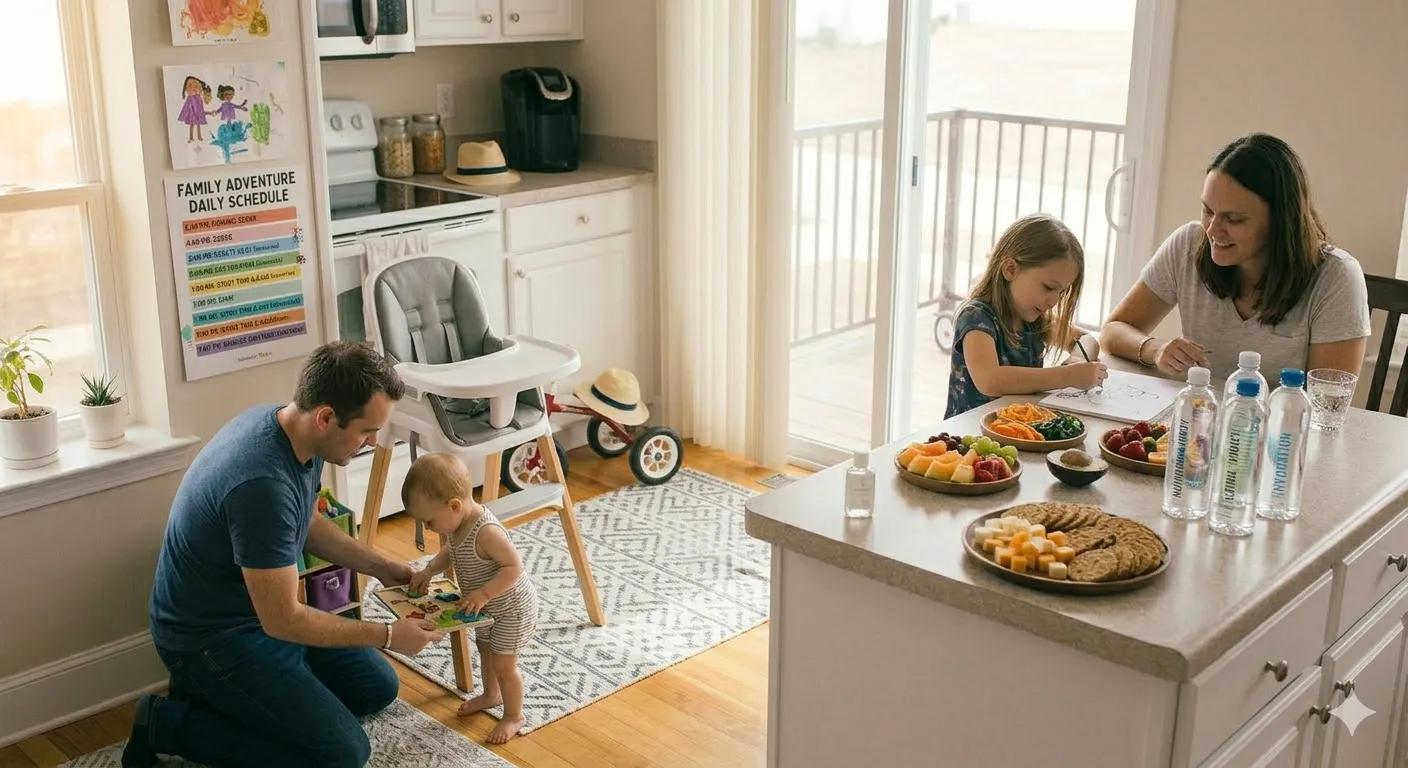
Nutrition plays a vital role in a child's growth and development. Providing a balanced diet rich in fruits, vegetables, whole grains, and proteins is crucial. Here are some tips to ensure your child receives proper nutrition:
- Incorporate Variety: Introduce a range of foods to help your child develop a taste for different flavors and textures.
- Limit Sugary Foods: Reduce the intake of sugary snacks and beverages to prevent health issues like obesity and dental problems.
- Encourage Hydration: Ensure your child drinks plenty of water throughout the day to stay hydrated and energized.
2. Establish Consistent Routines
Children thrive on routine. Establishing consistent daily habits can help them feel secure and understand what to expect. Consider the following:
- Regular Meal Times: Set fixed meal times to help your child develop a healthy relationship with food.
- Bedtime Routines: Create a calming bedtime routine to promote better sleep hygiene. Activities could include reading a book or gentle stretching.
- Playtime: Schedule regular play sessions, whether outdoor activities or quiet time with puzzles and games, to foster creativity and physical health.
3. Foster Emotional Support
Emotional well-being is just as important as physical health. Here are ways to nurture your child's emotional development:
- Open Communication: Encourage your child to express their feelings and thoughts. Listen actively and validate their emotions.
- Positive Reinforcement: Use praise to reinforce good behavior and accomplishments, boosting their self-esteem.
- Model Emotions: Show your child that it’s okay to experience a range of emotions. Share your feelings and discuss ways to handle them constructively.
4. Promote Physical Activity
Physical health is critical for childhood development. Regular physical activity helps in building strong bones, muscles, and maintaining a healthy weight. To encourage movement:
- Outdoor Play: Encourage outdoor activities like running, cycling, or playing sports with friends.
- Family Activities: Engage in family exercises like hiking or dancing. This promotes bonding while staying active.
- Limit Screen Time: Set boundaries on screen time to encourage more physical activity and reduce sedentary behaviors.
5. Encourage Social Interaction
Social skills are essential for children to navigate the world around them. Here are ways to foster social interaction:
- Playdates: Organize playdates with peers to help your child build friendships and learn cooperation.
- Group Activities: Enroll your child in group classes or extracurricular activities where they can work with others.
- Family Gatherings: Make time for family gatherings to strengthen bonds and enhance social skills in a safe environment.
6. Prioritize Health Check-Ups
Regular health check-ups are crucial to monitor your child's growth and development. Ensure you:
- Schedule Routine Check-Ups: Keep up with vaccinations and regular visits to the pediatrician.
- Monitor Developmental Milestones: Be aware of key milestones and discuss any concerns with your healthcare provider.
- Healthy Habits Education: Teach your child the importance of hygiene, such as washing hands regularly and dental care.
Conclusion
Supporting a healthy childhood involves a combination of proper nutrition, consistent routines, emotional support, physical activity, social interaction, and regular health check-ups. By incorporating these habits into your child’s daily life, you not only promote their overall well-being but also equip them with the skills they need to thrive. Remember, it’s about progress, not perfection. Every small step counts towards raising a healthy and happy child.
Dr. Vandana Raghav
Pediatrician & Child Health Expert
Hi, I’m Vandana Raghav, a pediatrician and child health expert associated with Mamaverse. My work is focused on helping parents better understand their child’s health, growth, development, nutrition, and overall well-being through reliable and practical guidance. As a pediatrician, I understand that parents often have questions and concerns at every stage of their child’s development. Through Mamaverse, I aim to make medically complex topics easier to understand while providing evidence-informed information that parents can use to have more informed conversations about their child’s care. My areas of interest include newborn care, infant health, child growth and development, nutrition, feeding, sleep, common childhood health concerns, preventive care, and overall child wellness. I believe trustworthy parenting and child-health information should be accurate, responsible, and easy to understand. My goal is to help Mamaverse provide parents with dependable health information while encouraging them to consult their pediatrician or other qualified healthcare professional whenever individualized medical assessment, diagnosis, or treatment is required. My Areas of Expertise: Pediatrics, Newborn Care, Infant Health, Child Health, Growth and Development, Child Nutrition, Preventive Care, Parenting and Child Wellness
Comments (0)
Leave a Comment
Related Articles

Signs of a Healthy Child Every Parent Should Know
Recognizing the signs of a healthy child is essential for every parent. Learn what to look for to ensure your child's well-being.
Common Childhood Illnesses and How Parents Can Handle Them
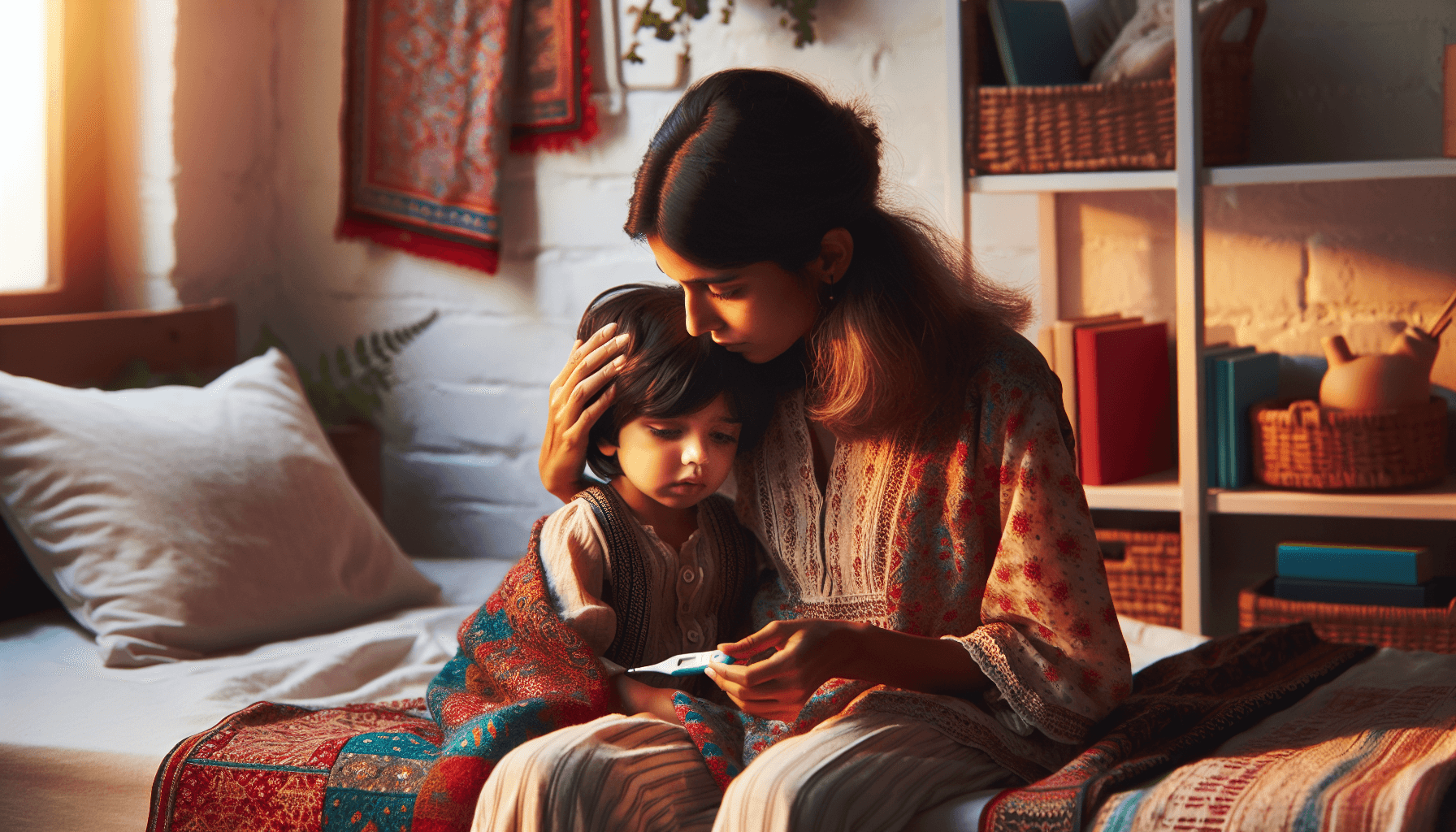
Learn about common childhood illnesses and effective ways parents can manage them, ensuring your child's health and comfort.

When Should Parents Worry About a Child’s Fever
Understanding when a child's fever becomes a concern is essential for parents. Learn the signs and when to seek help.
Why Regular Health Checkups Are Important for Kids
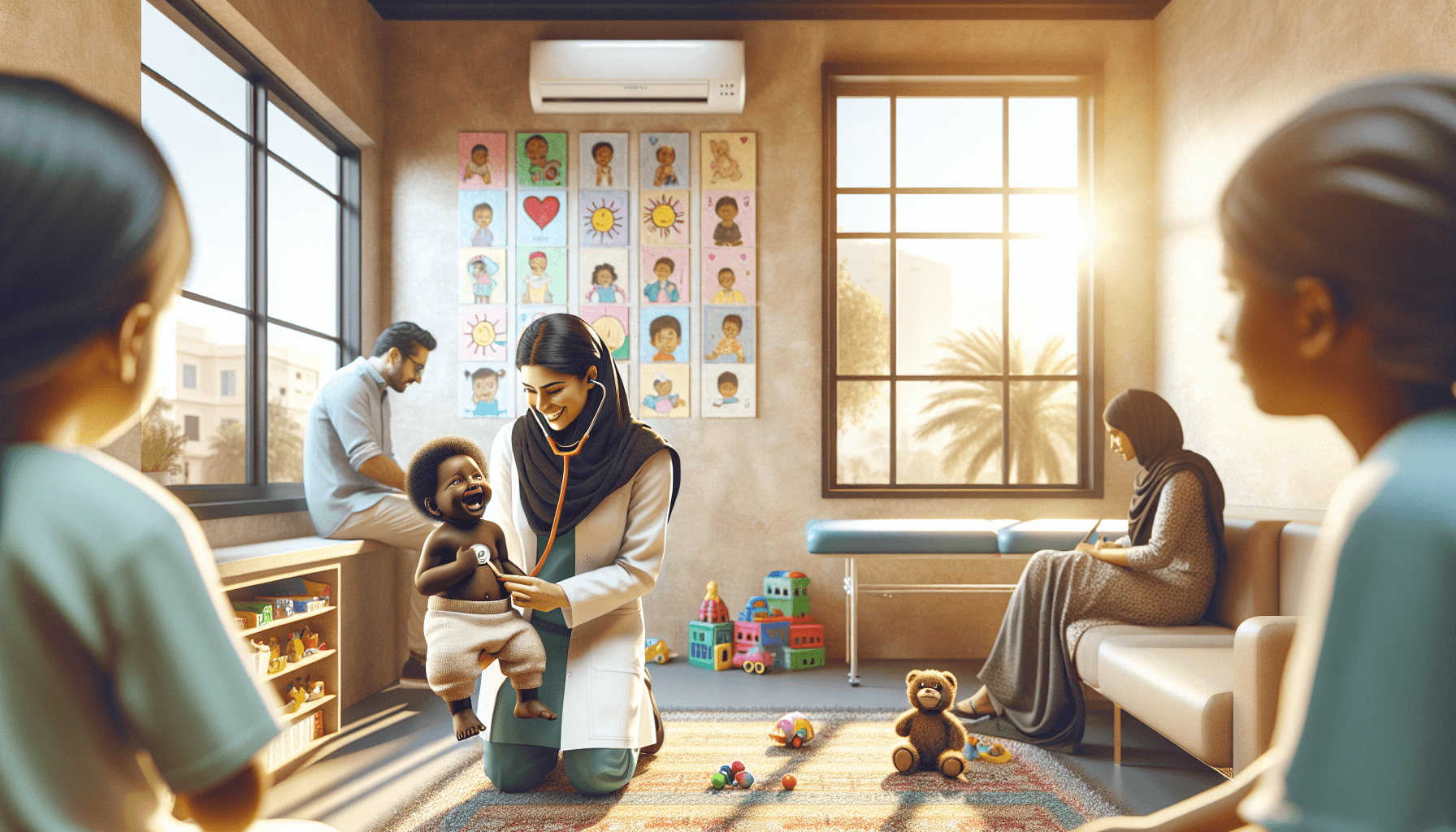
Regular health checkups for kids are essential for monitoring growth and preventing health issues. Learn why these visits matter.