Why Sleep Training Tips Can Improve Your Baby’s Night Routine
Discover how sleep training can enhance your baby's nighttime routine. Learn effective tips to foster better sleep habits for your little one.
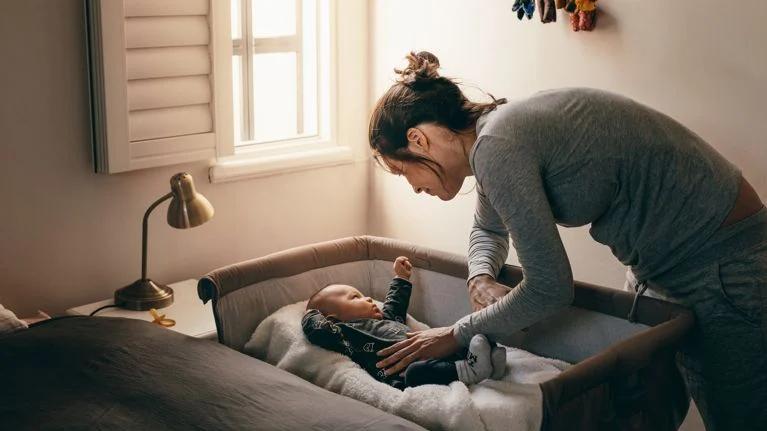
Understanding Sleep Training for Babies
As a parent, ensuring that your baby gets sufficient sleep is one of your top priorities. Sleep training is a method that helps babies learn how to fall asleep independently, leading to better sleep patterns for both the baby and the parents. In this blog, we'll explore the benefits of sleep training and share actionable tips to improve your baby's night routine.
Why Sleep is Crucial for Your Baby
Sleep plays a vital role in your baby's development. Here are a few reasons why:
- Growth and Development: During sleep, babies release growth hormones that are essential for their physical development.
- Cognitive Function: Adequate sleep supports brain development, enhancing memory and learning capabilities.
- Emotional Health: Good sleep contributes to better mood regulation and emotional stability as your baby grows.
Benefits of Sleep Training
Sleep training can bring several advantages for both your baby and your family:
- Improved Sleep Quality: Sleep training helps babies learn to self-soothe, leading to longer stretches of uninterrupted sleep.
- Establishing Routine: A consistent bedtime routine signals to your baby that it’s time to wind down, making the transition to sleep smoother.
- Less Stress for Parents: When babies sleep well, parents can also enjoy more restful nights, reducing overall family stress.
Sleep Training Methods to Consider
There are several sleep training methods. It’s essential to choose one that resonates with you and suits your baby’s personality:
1. Ferber Method
Also known as graduated extinction, this method involves allowing your baby to cry for progressively longer intervals before comforting them. This approach teaches babies to self-soothe and fall asleep on their own.
2. No Tears Method
This gentle approach encourages parents to comfort their babies without letting them cry. It involves holding, patting, or singing to soothe the baby until they learn to fall asleep independently.
3. Chair Method
In this method, parents gradually move further away from the crib each night until their baby can sleep without their presence. It’s a gradual way to help babies adjust to sleeping alone.
Tips for Effective Sleep Training
To ensure successful sleep training, consider these practical tips:
- Establish a Consistent Bedtime Routine: Create a calming pre-sleep routine that may include bath time, reading a book, or singing lullabies. This signals to your baby that it's time to sleep.
- Choose the Right Time: Begin sleep training when your baby is healthy and developmentally ready, typically around 4 to 6 months of age.
- Keep the Environment Comfortable: Ensure your baby's sleep space is conducive to sleep, with a dark, quiet, and comfortable room temperature.
- Be Patient: Every baby is different. Some may take to sleep training quickly, while others might need more time. Stay consistent and patient during the process.
Common Concerns About Sleep Training
Many parents have concerns about sleep training, such as:
- Is it harmful to let my baby cry? Research indicates that brief periods of crying do not harm babies; in fact, it can teach them valuable self-soothing skills.
- Will my baby feel abandoned? Providing reassurance during the training process helps your baby feel secure while learning to sleep independently.
Conclusion
Sleep training can significantly improve your baby's night routine, leading to better sleep for the entire family. By establishing a consistent bedtime routine and choosing a method that fits your family’s needs, you can help your baby develop healthy sleep habits. Remember, patience and consistency are key, and soon enough, you’ll find your little one peacefully drifting off to sleep on their own.
Kanika
Author - Parenting and Maternal Wellness
Hi, I’m Kanika, a parenting and maternal wellness writer at Mamaverse. I’m passionate about creating clear, practical, and thoughtfully researched content that helps parents feel more informed and confident throughout their parenting journey. I write about pregnancy, newborn care, baby development, toddler care, child development, parenting challenges, and family well-being. Before creating content, I focus on understanding the topic carefully and referring to reliable and authoritative sources, especially when the subject involves health, safety, or child development. Through Mamaverse, my goal is to simplify overwhelming parenting information into guidance that is easy to understand and useful in everyday life. I also believe that every pregnancy, child, and family is different, so my content is designed to educate and support—not replace personalized advice from qualified healthcare professionals. My Areas of Focus: Pregnancy, Maternal Wellness, Newborn Care, Baby Care, Toddler Care, Child Development, Parenting, and Family Well-being
Comments (0)
Leave a Comment
Related Articles
Keeping Babies Germ Free at Home
Learn effective tips to keep your baby safe from germs at home. A clean environment promotes health and happiness for your little one.
How to Choose the Right Baby Gear for Every Stage (0–2 Years Guide)
Confused about what baby gear to buy? This stage-by-stage guide helps parents choose the right products from newborn to toddler—without wasting money.

From Chaos to Calm: Building a Daily Routine with a Newborn
For the first three weeks, I had no idea what time it was, what day it was, or whether what I was eating was breakfast or dinner. Then I discovered the power of a loose daily rhythm — and everything changed.

Joint Family Life with a Baby: Making It Work Beautifully
Living in a joint family with a new baby is one of the most complicated gifts of Indian parenthood. The support is real. The opinions are also very real. Here's how we made it work.