Keeping Babies Germ Free at Home
Learn effective tips to keep your baby safe from germs at home. A clean environment promotes health and happiness for your little one.
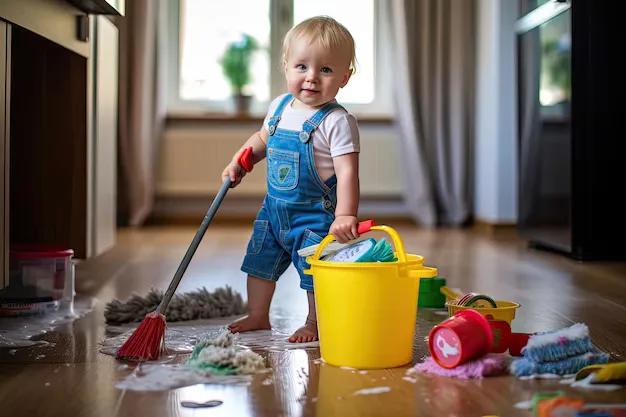
Keeping Babies Germ Free at Home
As parents, one of our top priorities is to keep our little ones safe and healthy. With their developing immune systems, babies are more susceptible to infections and illnesses caused by germs. Creating a germ-free environment at home is essential for their well-being. Here are some effective strategies to ensure your baby stays germ-free while at home.
1. Maintain Clean Surfaces
Regularly disinfecting surfaces is crucial. Focus on high-touch areas such as:
- Kitchen counters
- Dining tables
- Doorknobs and handles
- Light switches
- Changing tables
Use non-toxic disinfectants or homemade solutions like vinegar and water. Ensure these surfaces are cleaned daily, especially if your baby is crawling or exploring.
2. Hand Hygiene is Key
Encourage everyone in your household to wash their hands frequently. This is especially important:
- Before handling the baby
- Before preparing food
- After using the restroom
- After touching pets
Teach your child proper handwashing techniques once they are old enough to understand. Use soap and water for at least 20 seconds or hand sanitizer when soap isn’t available.
3. Keep the Air Clean
Good air quality is essential to reduce germs. Consider these tips:
- Regularly change air filters in your HVAC system.
- Use air purifiers, especially in the baby's room.
- Ensure proper ventilation by opening windows and doors when weather permits.
These measures help to eliminate airborne germs and allergens, keeping your baby’s environment healthier.
4. Limit Visitors
While it’s lovely to share your new baby with friends and family, limiting visitors can help reduce the risk of exposure to germs. If possible, ask visitors to:
- Wash their hands before holding the baby.
- Avoid visiting if they’re feeling unwell.
- Keep their distance if they have recently been sick.
Communicate your concerns politely; most people will understand your need to protect your little one.
5. Baby Gear Hygiene
Your baby's gear, including toys, bottles, and pacifiers, should be kept clean to prevent germ buildup. Here’s how:
- Sterilize bottles and pacifiers regularly, especially for newborns.
- Wash toys that can be submerged in water with soap and water frequently.
- Use wipes to clean toys that can’t be washed, ensuring they are baby-safe.
Develop a routine for cleaning baby items to make it easier and to ensure nothing is overlooked.
6. Create a Safe Outdoor Space
If you have a yard or outdoor space, make it a clean and safe area for your baby to play. Here are some tips:
- Regularly clean outdoor toys and furniture.
- Ensure the area is free of trash and debris.
- Limit contact with pets until they are fully vaccinated.
Supervise your baby while they play outdoors to ensure they don’t put anything harmful in their mouths.
7. Be Mindful of Pet Hygiene
If you have pets, it’s essential to maintain their hygiene as well:
- Keep pets regularly groomed and bathed.
- Ensure they are up-to-date on vaccinations.
- Limit pet access to baby’s sleeping areas.
Teaching your baby to be gentle with pets is important, but always supervise their interactions.
8. Monitor Your Baby’s Health
Keep a close eye on your baby’s health. Look for signs of illness such as:
- Fever
- Unusual irritability
- Changes in appetite or sleep patterns
If any symptoms arise, consult your pediatrician promptly. Early intervention can prevent minor issues from becoming major health concerns.
Conclusion
Keeping your baby germ-free at home requires diligence and a proactive approach. By maintaining cleanliness, encouraging hand hygiene, and being mindful of their environment, you can create a safe haven for your little one. Remember, it’s all about balance—while it’s important to protect your baby from germs, it’s also essential to allow them opportunities to explore and build their immune systems safely. With these tips, you can provide a nurturing environment that supports your baby’s health and development.
Kanika
Author - Parenting and Maternal Wellness
Hi, I’m Kanika, a parenting and maternal wellness writer at Mamaverse. I’m passionate about creating clear, practical, and thoughtfully researched content that helps parents feel more informed and confident throughout their parenting journey. I write about pregnancy, newborn care, baby development, toddler care, child development, parenting challenges, and family well-being. Before creating content, I focus on understanding the topic carefully and referring to reliable and authoritative sources, especially when the subject involves health, safety, or child development. Through Mamaverse, my goal is to simplify overwhelming parenting information into guidance that is easy to understand and useful in everyday life. I also believe that every pregnancy, child, and family is different, so my content is designed to educate and support—not replace personalized advice from qualified healthcare professionals. My Areas of Focus: Pregnancy, Maternal Wellness, Newborn Care, Baby Care, Toddler Care, Child Development, Parenting, and Family Well-being
Comments (0)
Leave a Comment
Related Articles
How to Choose the Right Baby Gear for Every Stage (0–2 Years Guide)
Confused about what baby gear to buy? This stage-by-stage guide helps parents choose the right products from newborn to toddler—without wasting money.

From Chaos to Calm: Building a Daily Routine with a Newborn
For the first three weeks, I had no idea what time it was, what day it was, or whether what I was eating was breakfast or dinner. Then I discovered the power of a loose daily rhythm — and everything changed.
Joint Family Life with a Baby: Making It Work Beautifully
Living in a joint family with a new baby is one of the most complicated gifts of Indian parenthood. The support is real. The opinions are also very real. Here's how we made it work.
How to check baby temperature correctly
Proper ways to measure your baby's temperature accurately.