Why Newborn Babies Stay in Observation After Birth
Newborn babies often require observation after birth to ensure their health and safety. Learn why this practice is important and what it entails.
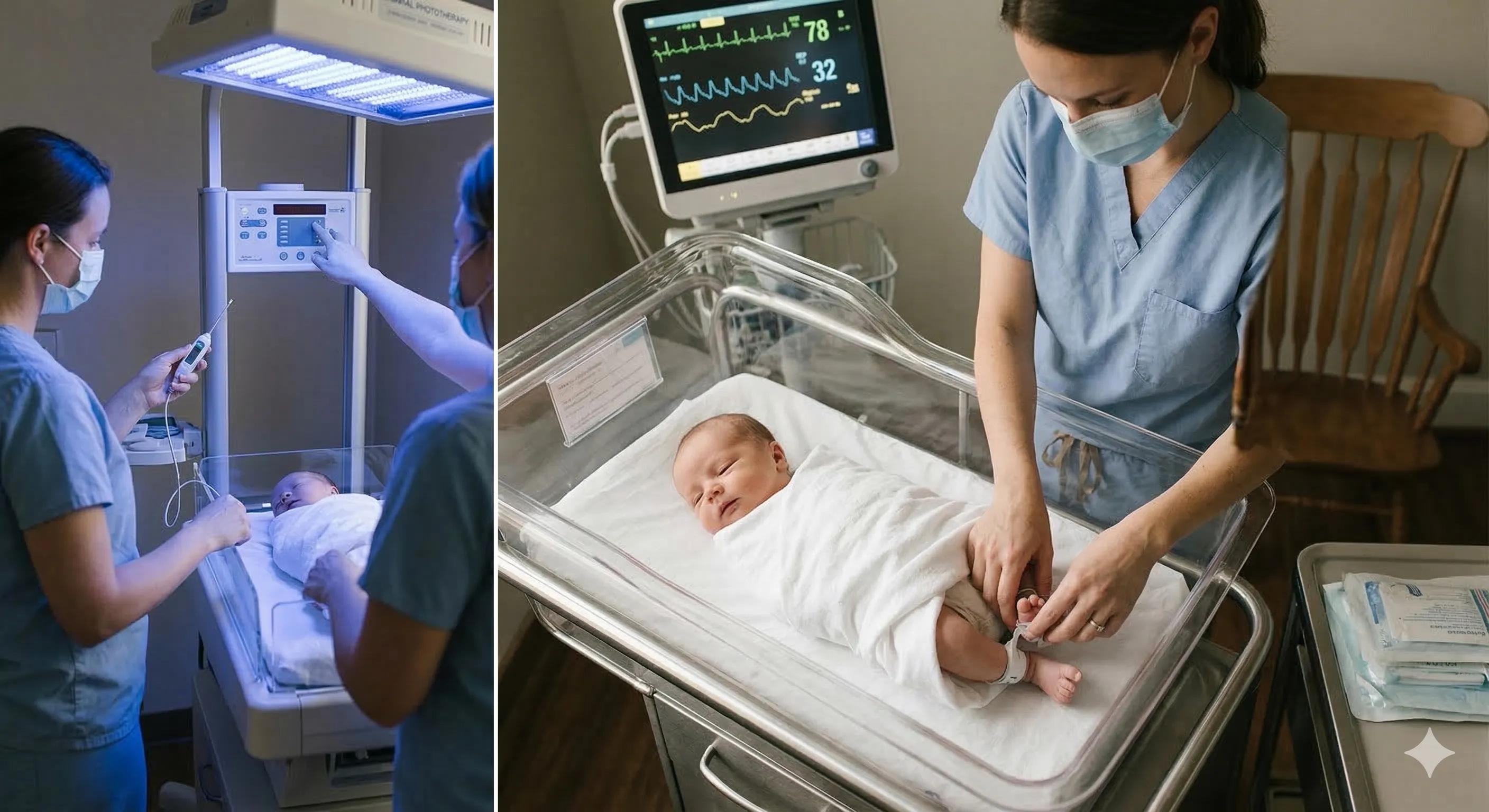
Why Newborn Babies Stay in Observation After Birth
Welcoming a newborn into the world is a joyous occasion for any family. However, the first moments after birth can be critical for the baby’s health. Hospitals often keep newborns under observation for a period post-delivery. But why is this necessary? Let’s delve into the reasons behind this practice and what it means for your little one.
Understanding the Need for Observation
When a baby is born, they transition from a protected environment inside the womb to the outside world. This transition can come with challenges, and healthcare providers monitor newborns closely for several reasons:
- Vital Signs Monitoring: Newborns are monitored for heart rate, respiratory rate, and temperature. Any abnormalities may indicate the need for further medical intervention.
- Breathing Assessment: Some babies may have difficulty breathing immediately after birth due to fluid in the lungs or other conditions. Observation helps ensure they can breathe adequately.
- Blood Sugar Levels: Newborns can be prone to hypoglycemia (low blood sugar), particularly if they are born to diabetic mothers or have low birth weight. Monitoring allows for timely intervention.
- Jaundice Screening: Jaundice, a common condition in newborns, causes yellowing of the skin and eyes. Early detection is crucial, and observation helps in assessing bilirubin levels.
Typical Duration of Observation
The length of time a newborn stays in observation can vary based on several factors, including the baby’s health, the type of delivery, and any complications that may arise. Generally, newborns are observed for 24 to 48 hours, but this can be longer if there are concerns about their health.
Common Conditions Monitored
During the observation period, healthcare providers look out for specific conditions that may affect the baby:
- Respiratory Distress: If a newborn shows signs of difficulty breathing, they may need extra care and support.
- Infection: Newborns have immature immune systems. Any signs of infection, such as fever or lethargy, are taken seriously.
- Feeding Issues: Some babies may struggle to latch or feed properly. Observation allows healthcare professionals to assist with breastfeeding or formula feeding.
- Temperature Regulation: Newborns can lose body heat quickly. They are monitored to ensure they maintain a stable body temperature.
The Role of Parents During Observation
As a parent, it’s natural to feel anxious during this observation period. However, it’s essential to remember that this practice is in the best interest of your baby. Here are ways you can support your newborn during this time:
- Stay Close: Being present can provide comfort to your baby. You can hold them, talk to them, and engage in skin-to-skin contact, which helps in bonding and stabilizing their heart rate.
- Ask Questions: Don’t hesitate to ask healthcare providers about your baby’s condition and what they are monitoring. Understanding the process can alleviate worries.
- Participate in Care: If permitted, take part in feeding and changing your baby’s diapers. This helps you feel more connected and involved.
When to Be Concerned
While observation is routine, there are signs that may warrant additional concern. If your newborn exhibits the following symptoms, it’s important to inform the healthcare team immediately:
- Significant lethargy or unresponsiveness
- Rapid or labored breathing
- Poor feeding or refusal to feed
- Persistent vomiting
Conclusion
Understanding the reasons why newborns stay in observation after birth can help ease parental anxiety during this critical period. The goal is to ensure that every baby gets the best start in life, with a focus on their immediate health and well-being. Remember, this period is temporary, and soon you will be welcoming your little one home, ready to embark on the wonderful journey of parenthood.
Kanika
Author - Parenting and Maternal Wellness
Hi, I’m Kanika, a parenting and maternal wellness writer at Mamaverse. I’m passionate about creating clear, practical, and thoughtfully researched content that helps parents feel more informed and confident throughout their parenting journey. I write about pregnancy, newborn care, baby development, toddler care, child development, parenting challenges, and family well-being. Before creating content, I focus on understanding the topic carefully and referring to reliable and authoritative sources, especially when the subject involves health, safety, or child development. Through Mamaverse, my goal is to simplify overwhelming parenting information into guidance that is easy to understand and useful in everyday life. I also believe that every pregnancy, child, and family is different, so my content is designed to educate and support—not replace personalized advice from qualified healthcare professionals. My Areas of Focus: Pregnancy, Maternal Wellness, Newborn Care, Baby Care, Toddler Care, Child Development, Parenting, and Family Well-being
Comments (0)
Leave a Comment
Related Articles

Keeping Babies Germ Free at Home
Learn effective tips to keep your baby safe from germs at home. A clean environment promotes health and happiness for your little one.

How to Choose the Right Baby Gear for Every Stage (0–2 Years Guide)
Confused about what baby gear to buy? This stage-by-stage guide helps parents choose the right products from newborn to toddler—without wasting money.

From Chaos to Calm: Building a Daily Routine with a Newborn
For the first three weeks, I had no idea what time it was, what day it was, or whether what I was eating was breakfast or dinner. Then I discovered the power of a loose daily rhythm — and everything changed.
Joint Family Life with a Baby: Making It Work Beautifully
Living in a joint family with a new baby is one of the most complicated gifts of Indian parenthood. The support is real. The opinions are also very real. Here's how we made it work.