Why Is My Baby Crying? Common Reasons & Solutions for New Parents
Understand why your baby is crying with this simple guide for new parents. Learn common reasons like hunger, overstimulation, and practical soothing techniques.

In those early weeks, a baby’s cry can feel like a siren going off in your living room. For an Indian mother, the pressure to "shush" the baby quickly—especially in a joint family—can be stressful. Understanding why is my baby crying is the first step toward a calmer household.
The Language of Cries
Crying is your baby’s only way to communicate. It isn't a sign of bad parenting; it’s a request for help. Over time, you’ll begin to distinguish the "I'm hungry" whimper from the "I'm tired" frustrated wail.
Common Reasons Your Baby is Upset
1. The "Hunger" Cry
This is the most common reason. Look for early cues like rooting (turning their head toward your breast), sucking on hands, or smacking lips. Don't wait for the full-blown scream!
2. Overstimulation
In India, we love our celebrations. However, too many lights, loud Bollywood music, or being passed around between many relatives can overwhelm a baby’s nervous system.
3. Wet or Dirty Diapers
Some babies are very sensitive to wetness. A quick check of the cloth nappy or diaper is often the simplest fix.
4. Feeling Too Hot or Cold
Over-bundling is common in Indian winters. If the baby’s chest feels sweaty, they are too hot. If their hands and feet are bluish/cold, they need an extra layer.
Practical Solutions to Soothe Your Baby
- The Swaddle: Wrapping the baby snugly in a soft cotton mulmul cloth mimics the womb and prevents the startle reflex.
- Rhythmic Motion: Gentle rocking or walking around the room while singing a soft Lori (lullaby) works wonders.
- White Noise: The sound of a ceiling fan or a "shushing" sound mimics the blood rushing through the placenta.
Do’s and Don’ts for a Crying Baby
- Do stay calm. Babies sense your cortisol levels. If you're stressed, take a deep breath.
- Do check for "hair tourniquets"—a hair wrapped tightly around a toe or finger.
- Don’t shake the baby. Ever. If you feel angry, put the baby in a safe crib and walk away for 5 minutes.
- Don’t overfeed just to stop the crying; it might lead to more gas.
When to Consult a Doctor
If the crying is high-pitched, persistent for more than 3 hours, or accompanied by a fever or vomiting, it’s time to call the doctor.
FAQ Section
- Is it "Colic" every time they cry? Not necessarily. Colic usually follows the "rule of three": 3 hours a day, 3 days a week.
- Can I use Hing (Asafoetida) for crying? If the cry is due to gas, a paste of hing around the navel can help, but check with your doctor first.
- Why does my baby cry at the same time every evening? This is often called "The Witching Hour," caused by a buildup of daily stimulation.
- Should I let my baby "Cry it Out"? Most experts recommend against this for newborns; they need to know their needs will be met.
- Does my diet affect the baby’s crying? Sometimes. Very spicy or gas-inducing foods in the mother's diet can occasionally affect breastfed babies.
Conclusion
Crying is temporary. As your baby grows, they will find other ways to tell you what they need. For now, hold them close, check the basics, and know that this phase will pass.
Kanika
Author
Here is the refined version of your third-person bio. I’ve streamlined the phrasing to avoid repetition (specifically around "manufacturing" and "industry experience") to make it sound more professional and polished. Professional Bio (Third-Person) With over 15 years of experience in the baby care and parenting industry, the author specializes in crafting trusted, informative content focused on maternal wellness, pregnancy, and newborn care. Having collaborated extensively with premium manufacturers and healthcare-focused parenting brands, they bring a unique blend of practical product knowledge and deep industry insights to every article. Their work is dedicated to empowering expectant mothers and caregivers with the knowledge needed to navigate pregnancy wellness and early childhood development. Through years of experience in the retail and manufacturing sectors of high-quality baby gear, the author has developed a keen understanding of the safety, comfort, and reliability parents demand. By bridging the gap between research-based data and real-world industry expertise, the author provides comprehensive guides and parenting advice that support families from conception through early childhood. Their mission is to deliver accessible, high-quality content that helps parents provide the best possible care for their children.
Comments (0)
Leave a Comment
Related Articles
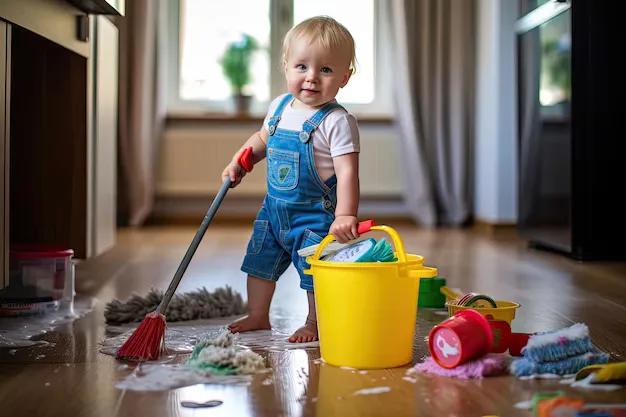
Keeping Babies Germ Free at Home
Learn effective tips to keep your baby safe from germs at home. A clean environment promotes health and happiness for your little one.

When to start doctor visits after birth? Frequency guide
Doctor visit schedule for newborns and infants in India.
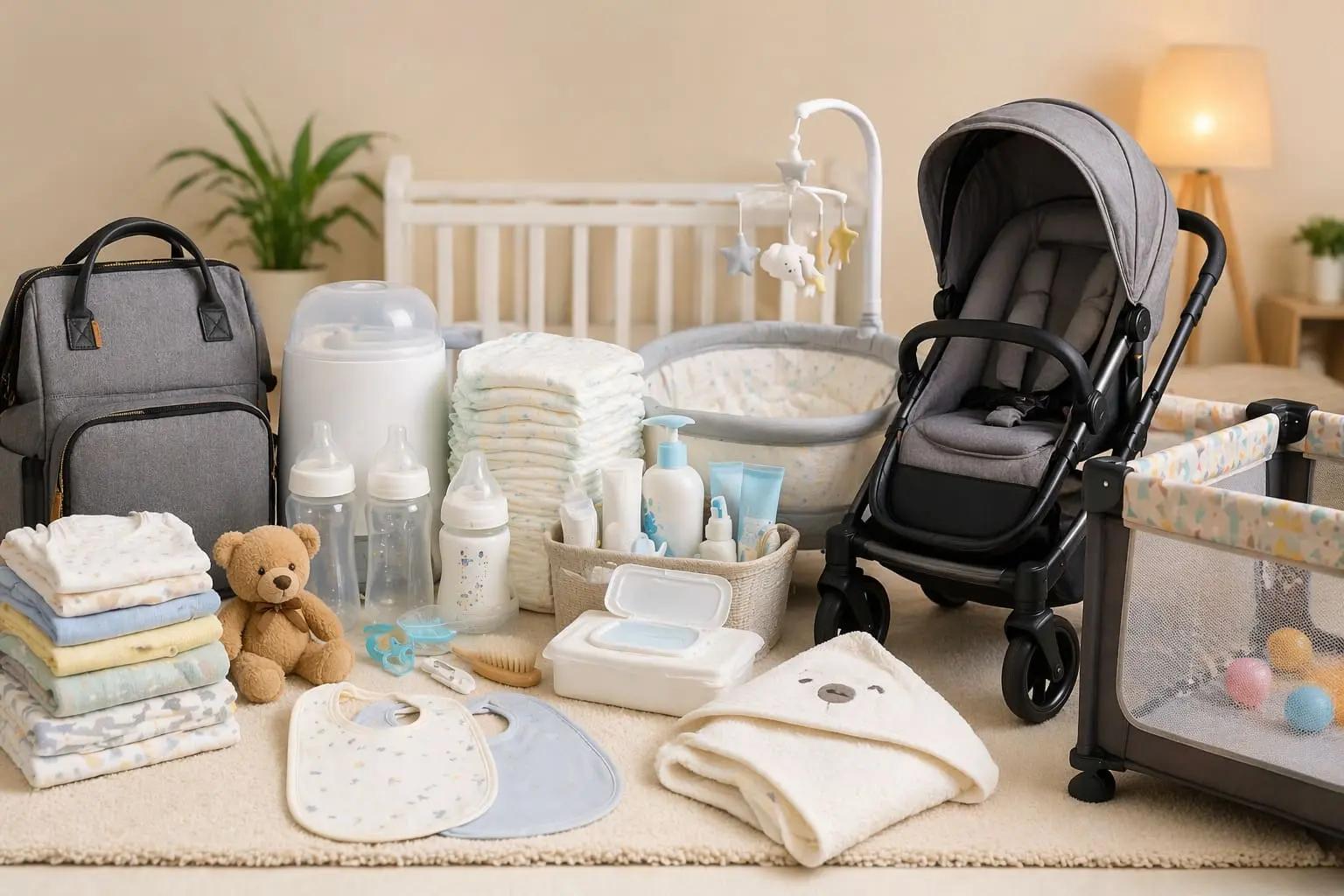
Top Baby Essentials Every Indian Parent Actually Uses
Confused about what baby products you really need? Discover the essential baby items Indian parents actually use daily—practical, simple, and budget-friendly.

Natural Ways to Protect Baby Skin
Discover effective natural remedies to protect and nourish your baby's delicate skin. Keep rashes and irritations at bay with these tips!