Why a Baby Crib Cot Can Become a Comforting Space That Supports Emotional Stability During Early Growth
Why a Baby Crib Cot Can Become a Comforting Space That Supports Emotional Stability During Early Growth
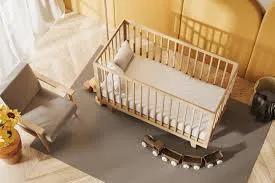
Why a Baby Crib Cot Can Become a Comforting Space That Supports Emotional Stability During Early Growth
Introduction: The Emotional Anchor of the Nursery
In the Mamaverse, we often focus on the physical safety of a crib, but its psychological impact is equally profound. As babies grow, they begin to form deep emotional connections with their immediate surroundings. A familiar resting space acts as a reassurance during times of rapid developmental change.
A baby crib cot often becomes one of the first spaces where babies feel true autonomy and security. Repeated use helps babies associate the crib cot with comfort and safety, forming an emotional connection that supports long-term relaxation and stability.

Familiar Spaces Build Trust
Babies are sensory learners who thrive in known environments. A consistent crib space helps build familiarity, which is the cornerstone of trust. When a baby recognizes the scent, touch, and sight of their baby crib, they feel a sense of belonging. This trust supports emotional comfort, allowing the infant to lower their guard and engage in deep, restorative rest.
Encouraging Calm Transitions
A baby's daily routine is filled with transitions—from play to feeding, and from wakefulness to sleep. These shifts can sometimes be overstimulating. A dedicated crib helps babies move smoothly between activities by providing a predictable "endpoint." Predictable spaces reduce cortisol levels and stress, helping the baby maintain emotional balance throughout the day.
Promoting Secure Rest and Reducing Fussiness
Babies benefit significantly from a defined resting area. Structured spaces like a StarAndDaisy crib support confidence, as the baby learns the boundaries of their personal "safe zone." This familiarity is a powerful tool to ease restlessness and reduce fussiness. When a baby is over-tired or over-stimulated, returning to the consistent environment of their crib provides the sensory "reset" they need to settle naturally.
Encouraging Gentle Independence
Over time, the crib transitions from a place of parental soothing to a place of self-soothing. Recognizing their own crib cot helps toddlers learn to settle naturally, a key milestone in gentle independence. This confidence in their environment supports their ability to spend time alone without anxiety, fostering a healthy sense of self as they grow.
How StarAndDaisy Crib Cots Support Emotional Stability
Many families within the Mamaverse prefer crib cots from StarAndDaisy because their designs combine industrial-grade durability with high-end comfort. Their crib cots typically include:
- Stable, Wobble-Free Frames: Providing a sense of structural security.
- Smooth, Baby-Safe Finishing: Creating a gentle tactile experience for curious hands.
- Aesthetic Harmony: Soft colors and designs that reduce visual overstimulation.
Frequently Asked Questions
Can a crib really support emotional stability?
Yes. Environmental consistency is a primary factor in infant psychological regulation.
Should babies have a consistent resting space?
Predictability helps babies feel in control of their environment, which leads to higher levels of confidence.
Can a high-quality crib reduce daily fussiness?
By providing a familiar sensory "anchor," a crib cot helps calm an overstimulated nervous system faster than an unfamiliar space.