When Can Babies Sleep With a Blanket? A Safety-First Guide for Parents
Wondering when it's safe to give your baby a blanket? Learn the 12-month rule, why sleep sacks are safer, and expert baby care tips for keeping your little one warm.
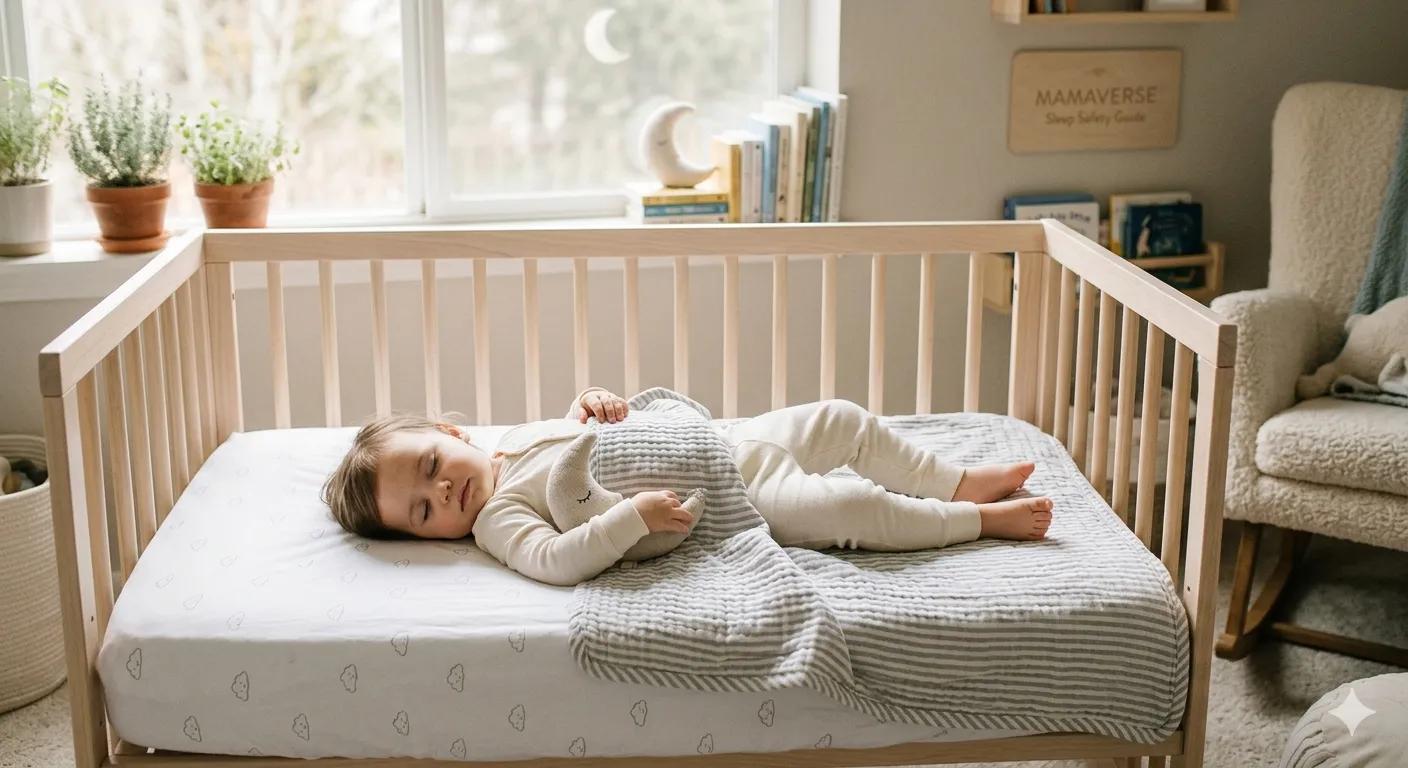
When Can Babies Sleep With a Blanket? A Safety-First Guide for Parents
If you’ve spent any time designing a nursery, you’ve likely fallen in love with a beautiful, hand-knit heirloom blanket or a silky-soft quilt. But as a new parent, you’ve also heard the constant reminders about "Safe Sleep" and keeping the crib empty.
At Mamaverse, we know it feels counterintuitive to leave your little one without a cozy cover, especially on a chilly night. However, when it comes to blankets, timing is everything. Keeping your baby safe while they sleep is the most important part of baby care.
The Golden Rule: The 12-Month Milestone
The American Academy of Pediatrics (AAP) and most safe-sleep experts recommend waiting until your baby is at least 12 months old before introducing a blanket, pillow, or stuffed animal into the crib.
The Risk: Before the age of one, loose blankets pose a serious risk of suffocation or Sudden Infant Death Syndrome (SIDS). A baby may pull a blanket over their face but lack the motor skills or strength to pull it back down.
The Reality: Even if your baby is rolling over or pushing up, the safest environment remains a firm, flat mattress with a tight-fitting sheet and absolutely nothing else.
How to Keep Baby Warm Before 12 Months
If you can't use a blanket, there are two expert-approved ways to maintain a comfortable temperature:
1. The Sleep Sack (Wearable Blanket)
Sleep sacks are the "gold standard" of baby care sleep safety. They provide the warmth and weight of a blanket but stay securely around the baby’s shoulders, so there is zero risk of it sliding over their face.
Pro-Tip: Check the TOG rating (Thermal Overall Grade). A 1.0 TOG is great for year-round use, while a 2.5 TOG is perfect for cold winter nights.2. The Layering Method
Follow the "one more layer" rule: your baby usually needs one more layer than you do to feel comfortable. A long-sleeved cotton bodysuit underneath footed pajamas is often enough to keep them cozy without a loose covering.
Moving to a Blanket: 3 Readiness Signs
Once your child hits their first birthday, look for these signs that they are ready for a small, breathable blanket:
- High Mobility: They can easily roll, sit up, and move away from objects in their sleep space.
- Transitioning to a Toddler Bed: Often, the move to a toddler bed is the natural time to introduce a "big kid" duvet or quilt.
- The "Liking" Factor: If they are starting to cuddle with a stuffed animal during the day, they may appreciate the comfort of a light blanket at night.
5 Safety Tips for That First Blanket
When you finally decide it’s time, follow these safety precautions:
- Keep it Small: Use a small "lovey" or stroller-sized blanket rather than a full-sized twin quilt.
- Breathable Materials: Choose muslin or cellular cotton. These fabrics have tiny holes that allow air to pass through more easily.
- Avoid the "Extra Bits": Skip blankets with long fringes, ribbons, or loose strings that could become a tangling hazard.
- Tuck It In: Initially, try tucking the blanket firmly into the sides and bottom of the mattress, so it only reaches up to the baby’s chest.
- Temperature Check: Always check your baby's chest or the back of their neck. If they feel sweaty or hot to the touch, remove the blanket immediately.