What Happens During a C-Section Delivery in the Hospital
Understanding what to expect during a C-section can ease your worries. Learn about the process, recovery, and care for you and your baby.

What Happens During a C-Section Delivery in the Hospital
The journey of bringing a new life into the world is both thrilling and overwhelming. For some mothers, a cesarean section (C-section) becomes a necessary option for delivery. Knowing what to expect during a C-section can help ease your worries and prepare you for the experience.
What is a C-Section?
A C-section is a surgical procedure where the baby is delivered through incisions made in the mother's abdomen and uterus. It may be planned ahead of time or performed as an emergency procedure if complications arise during labor.
Reasons for a C-Section
- Previous C-Section: If a mother has had a C-section before, she may be advised to have another.
- Multiple Pregnancies: Carrying twins or more may make a C-section necessary.
- Baby's Position: If the baby is breech (feet first) or transverse, a C-section may be recommended.
- Health Concerns: Maternal health issues or fetal distress can lead to the need for a C-section.
Preparing for a C-Section
Before the procedure, your doctor will explain the reasons for the C-section, the risks, and what to expect. You may also be advised to stop eating and drinking a few hours before surgery. It's important to have a support system in place, as you will need help during the recovery phase.
The C-Section Procedure
On the day of the delivery, you will be taken to the operating room. Here’s what generally happens:
1. Anesthesia
You will receive anesthesia, typically a spinal block or epidural, which numbs the lower half of your body while allowing you to remain awake and alert during the procedure. In some emergency cases, general anesthesia may be used, putting you to sleep during the surgery.
2. Incision
The surgeon will make a horizontal incision in the lower abdomen (often referred to as a "bikini cut") to minimize scarring. In some cases, a vertical incision may be necessary, depending on the situation.
3. Delivery of the Baby
Once the incision is made, the surgeon will carefully separate the layers of tissue to reach the uterus. The baby is then delivered through the incision. Immediately after birth, the medical team will assess the baby’s health before placing them on your chest for skin-to-skin contact, if possible.
4. Closing the Incision
After the baby is delivered and any necessary procedures (like suctioning fluid) are done, the surgeon will remove the placenta and stitch up the uterus and abdominal layers. The entire procedure usually takes about 45 minutes to an hour.
What to Expect Post-Delivery
After a C-section, you will be taken to a recovery room where healthcare providers will monitor you and your baby. Here’s what to expect:
- Pain Management: You may experience pain at the incision site and will receive medication to help manage it.
- Mobility: You will be encouraged to move and walk as soon as you are able to promote healing and reduce the risk of blood clots.
- Breastfeeding: If you choose to breastfeed, nurses can assist you in getting comfortable and positioning your baby.
- Hospital Stay: Typically, the hospital stay after a C-section is about 3 to 4 days, depending on your recovery.
Recovery at Home
Once you’re home, it’s important to follow your doctor’s instructions for care:
- Rest: Take time to rest and let your body heal. Avoid heavy lifting and strenuous activities for several weeks.
- Wound Care: Keep the incision clean and dry. Watch for signs of infection, such as redness or discharge.
- Emotional Well-being: It’s normal to experience a range of emotions after delivery. Don’t hesitate to reach out for support if needed.
Conclusion
A C-section is a safe and common method of delivering a baby when necessary. Understanding the process can help alleviate fears and prepare you for this significant life event. Remember, every birth experience is unique, and what matters most is the health and well-being of both you and your baby. If you have any concerns, do not hesitate to discuss them with your healthcare provider.
Kanika
Author - Parenting and Maternal Wellness
Hi, I’m Kanika, a parenting and maternal wellness writer at Mamaverse. I’m passionate about creating clear, practical, and thoughtfully researched content that helps parents feel more informed and confident throughout their parenting journey. I write about pregnancy, newborn care, baby development, toddler care, child development, parenting challenges, and family well-being. Before creating content, I focus on understanding the topic carefully and referring to reliable and authoritative sources, especially when the subject involves health, safety, or child development. Through Mamaverse, my goal is to simplify overwhelming parenting information into guidance that is easy to understand and useful in everyday life. I also believe that every pregnancy, child, and family is different, so my content is designed to educate and support—not replace personalized advice from qualified healthcare professionals. My Areas of Focus: Pregnancy, Maternal Wellness, Newborn Care, Baby Care, Toddler Care, Child Development, Parenting, and Family Well-being
Comments (0)
Leave a Comment
Related Articles

What to pack for baby in hospital bag (India)
Complete list of baby essentials for your hospital bag in India.
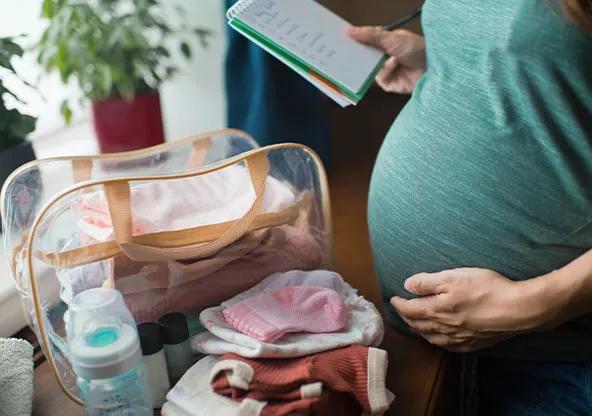
Things to Pack for Delivery at the Hospital
Packing for your hospital delivery can feel overwhelming. Here's a comprehensive list to help you prepare for your big day!

Labor and Delivery Tips for First-Time Mothers
Prepare for your labor and delivery with essential tips tailored for first-time mothers. Embrace the journey with confidence and knowledge.
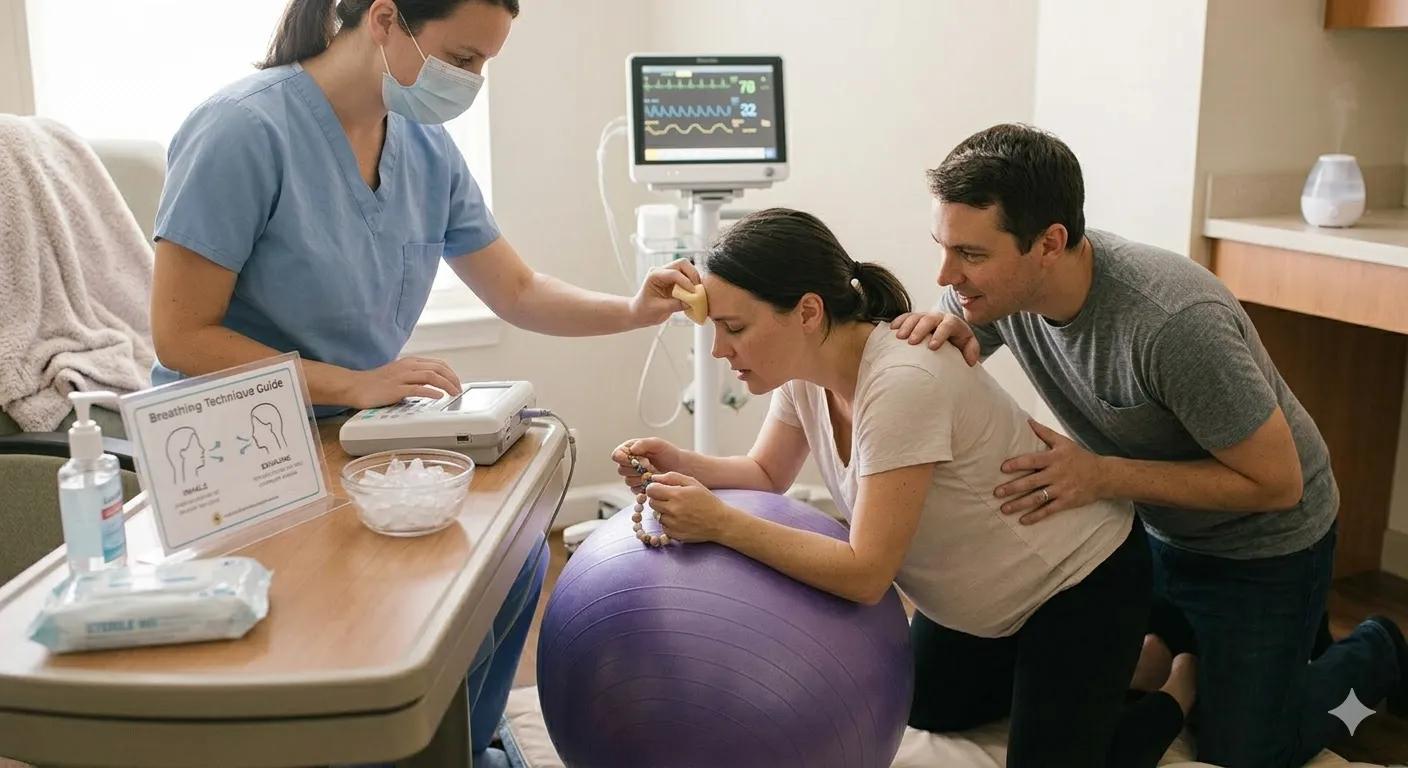
Labor Pain Stages: What Moms Experience During Childbirth
Understanding labor pain stages is essential for moms-to-be. Learn what to expect during childbirth and how to manage each stage.