Labor Pain Stages: What Moms Experience During Childbirth
Understanding labor pain stages is essential for moms-to-be. Learn what to expect during childbirth and how to manage each stage.
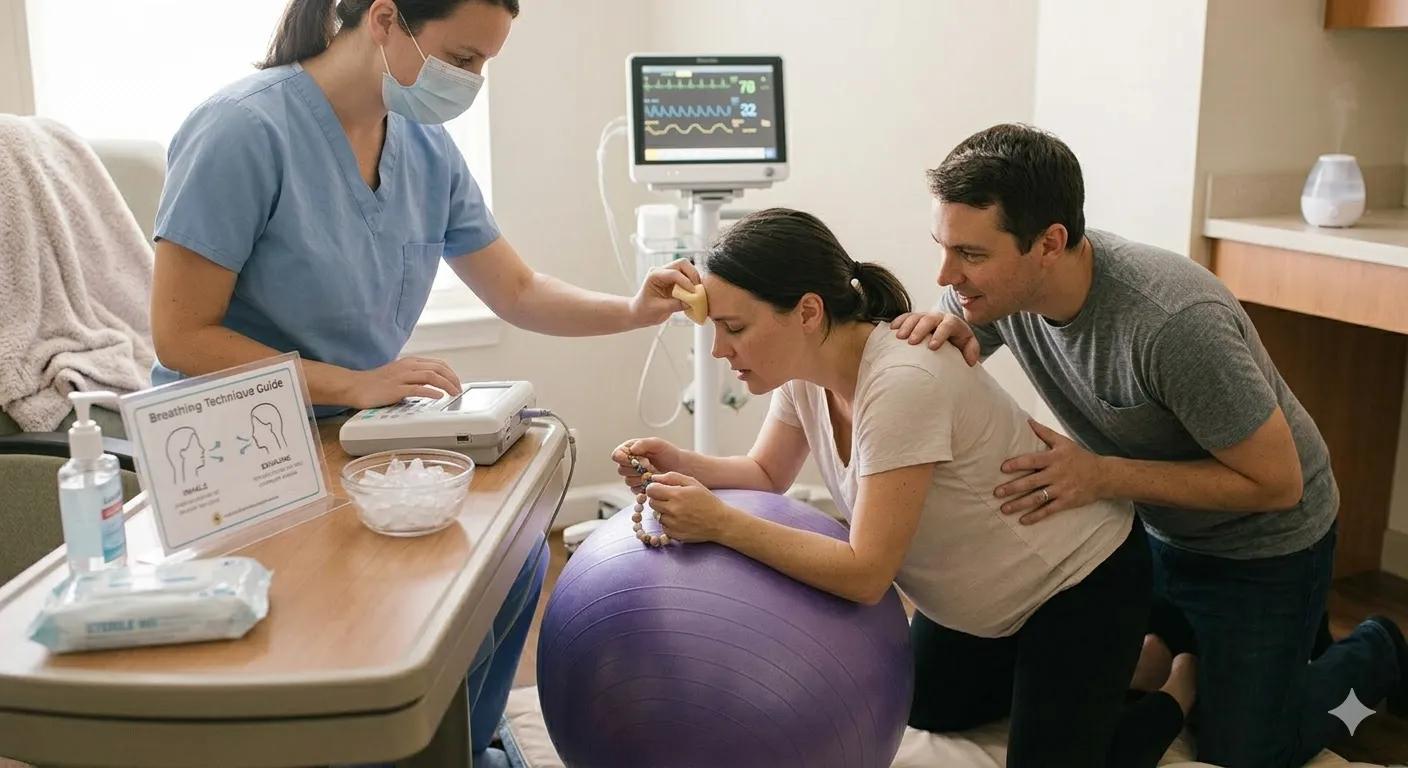
Understanding Labor Pain Stages: What Moms Experience During Childbirth
Childbirth is a beautiful yet challenging journey, filled with anticipation and emotions. For many mothers, understanding the stages of labor pain can help prepare them for what lies ahead. This guide aims to provide insights into the different stages of labor and what mothers typically experience during childbirth.
What is Labor Pain?
Labor pain is the discomfort and pain experienced during childbirth as your body works to deliver the baby. The pain can vary in intensity, duration, and type, depending on several factors, including individual pain tolerance, the position of the baby, and the stage of labor.
Stages of Labor
Labor is generally divided into three main stages:
- First Stage: Early labor and active labor
- Second Stage: Delivery of the baby
- Third Stage: Delivery of the placenta
First Stage: Early Labor and Active Labor
The first stage of labor is the longest and consists of two phases: early labor and active labor.
Early Labor
This phase can last anywhere from a few hours to several days. During early labor, contractions begin, and the cervix starts to dilate. Here’s what moms typically experience:
- Contractions: These are often mild and irregular at first, resembling menstrual cramps. They may come and go.
- Cervical Changes: The cervix dilates up to 3 cm, and the body prepares for active labor.
- Emotional Changes: Expect feelings of excitement, anxiety, and eagerness.
Active Labor
Active labor is marked by more intense contractions and increased cervical dilation, typically from 4 cm to 7 cm. Here’s what you may feel:
- Intense Contractions: Contractions occur every 3 to 5 minutes and last for 40 to 60 seconds. They become more painful.
- Cervical Dilation: The cervix dilates from 4 cm to 7 cm, indicating that labor is progressing.
- Physical Symptoms: You may experience back pain, pressure in your pelvis, and the urge to change positions frequently.
Second Stage: Delivery of the Baby
The second stage starts when the cervix is fully dilated at 10 cm and ends with the birth of your baby. Here’s what to expect:
- Strong Contractions: Contractions are very strong, coming every 2 to 3 minutes and lasting about 60 to 90 seconds.
- Pushing: You will feel a strong urge to push. This is when you’ll actively participate in bringing your baby into the world.
- Delivery: The baby’s head begins to emerge, followed by the shoulders and body. This is often accompanied by a burning or stretching sensation called the "crowning".
Third Stage: Delivery of the Placenta
After your baby is born, the third stage involves the delivery of the placenta. This stage typically lasts between 5 to 30 minutes. Here’s what happens:
- Contractions Continue: Mild contractions help detach the placenta from the uterine wall.
- Delivery of the Placenta: You may feel some pressure as the placenta is delivered. This is usually much less painful than the previous stages.
- Monitoring: Healthcare providers will check for any signs of complications and ensure that the placenta has been delivered completely.
Managing Labor Pain
Understanding labor pain is crucial, but knowing how to manage it can make the experience more bearable. Here are some strategies:
- Breathing Techniques: Focused breathing can help you manage pain and stay calm.
- Position Changes: Experiment with different positions like walking, swaying, or using a birthing ball.
- Support System: Having a partner, friend, or doula can provide emotional support and encouragement.
- Pain Relief Options: Discuss options such as epidurals, nitrous oxide, or other medications with your healthcare provider.
Conclusion
Labor pain is a unique experience that varies for every mother. By understanding the stages and being prepared, you can approach childbirth with confidence. Remember, it’s essential to communicate with your healthcare provider about your pain management options and create a birth plan that suits your needs.
Embrace the journey of motherhood, knowing that each contraction brings you closer to the beautiful moment of holding your baby for the first time!
Kanika
Author - Parenting and Maternal Wellness
Hi, I’m Kanika, a parenting and maternal wellness writer at Mamaverse. I’m passionate about creating clear, practical, and thoughtfully researched content that helps parents feel more informed and confident throughout their parenting journey. I write about pregnancy, newborn care, baby development, toddler care, child development, parenting challenges, and family well-being. Before creating content, I focus on understanding the topic carefully and referring to reliable and authoritative sources, especially when the subject involves health, safety, or child development. Through Mamaverse, my goal is to simplify overwhelming parenting information into guidance that is easy to understand and useful in everyday life. I also believe that every pregnancy, child, and family is different, so my content is designed to educate and support—not replace personalized advice from qualified healthcare professionals. My Areas of Focus: Pregnancy, Maternal Wellness, Newborn Care, Baby Care, Toddler Care, Child Development, Parenting, and Family Well-being
Comments (0)
Leave a Comment
Related Articles

What to pack for baby in hospital bag (India)
Complete list of baby essentials for your hospital bag in India.
Things to Pack for Delivery at the Hospital
Packing for your hospital delivery can feel overwhelming. Here's a comprehensive list to help you prepare for your big day!

Labor and Delivery Tips for First-Time Mothers
Prepare for your labor and delivery with essential tips tailored for first-time mothers. Embrace the journey with confidence and knowledge.

C Section Hospital Bag Essentials for Moms
Packing for a C-section? Discover essential items to include in your hospital bag to ensure comfort and convenience during your stay.