Understanding the Baby Growth Chart by Age
Discover how to read and understand your baby's growth chart. This guide helps parents track their child's development through the stages.
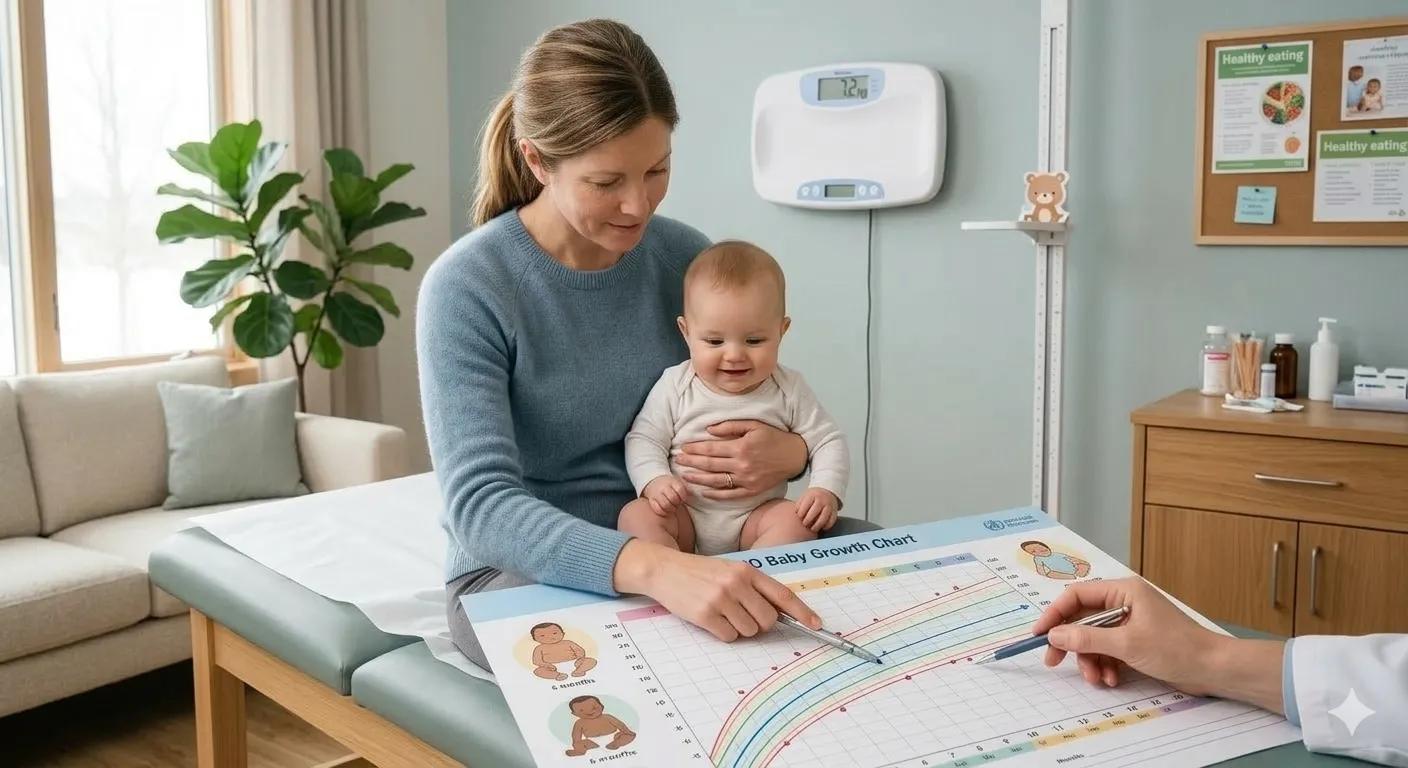
Understanding the Baby Growth Chart by Age
As a parent, monitoring your baby's growth is one of the most important aspects of nurturing their development. A growth chart serves as a tool that can help you visualize and understand how your little one is growing compared to other children of the same age. In this guide, we will delve into the different aspects of baby growth charts and how to interpret them accurately.
What is a Baby Growth Chart?
A baby growth chart is a graphical representation that shows the growth patterns of babies and children from birth up to 18 years. These charts track various measurements, including weight, height, and head circumference, allowing parents and healthcare providers to assess growth over time.
Why is Tracking Growth Important?
- Health Monitoring: Regularly tracking your baby's growth can help identify any potential health issues early on.
- Developmental Milestones: It offers insights into whether your baby is reaching developmental milestones appropriate for their age.
- Parenting Guidance: Understanding growth patterns can guide feeding practices and overall parenting strategies.
Understanding the Growth Measurements
Growth charts typically plot three essential measurements:
- Weight: This measurement helps gauge whether your baby is gaining weight appropriately.
- Height: Tracking height ensures that your baby is growing in length and not just in weight.
- Head Circumference: This is particularly important in the first year as it indicates brain development.
Reading the Growth Chart
Most growth charts use percentiles to show how your baby's measurements compare to those of other babies:
- Percentile: A percentile indicates the relative position of your child's measurements in comparison to others. For example, if your baby is in the 75th percentile for weight, it means they weigh more than 75% of babies their age.
- Growth Patterns: Consistent growth along a specific percentile line is generally a good sign. Significant jumps or drops may warrant further investigation.
Age-Specific Growth Patterns
Each age range has its unique growth patterns. Here’s a brief overview:
Newborn to 3 Months
During this stage, babies typically gain about 150-200 grams per week. Their height increases by 2.5-3.5 cm per month. Monitoring head circumference is essential as it helps track brain growth.
3 to 6 Months
At this age, most babies double their birth weight and continue to grow quickly. They may gain around 120-150 grams weekly and increase in height by about 1.5-2 cm per month.
6 to 12 Months
Growth may begin to slow down during this period. Babies typically gain only about 70-90 grams per week and grow about 1-1.5 cm per month. Introducing solid foods during this stage can significantly impact their growth.
1 to 3 Years
Children grow at a slower pace, gaining approximately 2-3 kg and growing about 10-12 cm per year. Regular check-ups can help assess if they are following their growth curve.
3 to 5 Years
Growth is steady, with kids averaging about 2 kg and 6-8 cm in height annually. Active play and a balanced diet are crucial for healthy growth during these years.
Common Growth Concerns
As a parent, you may have concerns regarding your baby’s growth. Here are some common issues:
- Failure to Thrive: This term describes a child who is not gaining weight or growing as expected. It’s essential to consult a pediatrician if you notice this.
- Rapid Growth: Sudden increases in growth can also be concerning, and it’s best to discuss any changes with your doctor.
- Genetic Factors: Remember that genetics play a significant role in growth patterns. If you or your partner were small or large children, it may reflect in your baby’s growth.
Tips for Supporting Healthy Growth
To support your baby's growth and development:
- Nutrition: Offer a well-balanced diet rich in essential nutrients.
- Regular Check-Ups: Schedule routine pediatric visits to monitor growth and development.
- Encourage Activity: Promote active play to help with physical development.
Conclusion
Understanding the baby growth chart is vital for every parent. By keeping track of your child's growth and development, you can ensure they are on the right path to a healthy future. Always consult your healthcare provider if you have any concerns about your baby's growth patterns.
Kanika
Author - Parenting and Maternal Wellness
Hi, I’m Kanika, a parenting and maternal wellness writer at Mamaverse. I’m passionate about creating clear, practical, and thoughtfully researched content that helps parents feel more informed and confident throughout their parenting journey. I write about pregnancy, newborn care, baby development, toddler care, child development, parenting challenges, and family well-being. Before creating content, I focus on understanding the topic carefully and referring to reliable and authoritative sources, especially when the subject involves health, safety, or child development. Through Mamaverse, my goal is to simplify overwhelming parenting information into guidance that is easy to understand and useful in everyday life. I also believe that every pregnancy, child, and family is different, so my content is designed to educate and support—not replace personalized advice from qualified healthcare professionals. My Areas of Focus: Pregnancy, Maternal Wellness, Newborn Care, Baby Care, Toddler Care, Child Development, Parenting, and Family Well-being
Comments (0)
Leave a Comment
Related Articles
Keeping Babies Germ Free at Home
Learn effective tips to keep your baby safe from germs at home. A clean environment promotes health and happiness for your little one.

How to Choose the Right Baby Gear for Every Stage (0–2 Years Guide)
Confused about what baby gear to buy? This stage-by-stage guide helps parents choose the right products from newborn to toddler—without wasting money.

From Chaos to Calm: Building a Daily Routine with a Newborn
For the first three weeks, I had no idea what time it was, what day it was, or whether what I was eating was breakfast or dinner. Then I discovered the power of a loose daily rhythm — and everything changed.

Joint Family Life with a Baby: Making It Work Beautifully
Living in a joint family with a new baby is one of the most complicated gifts of Indian parenthood. The support is real. The opinions are also very real. Here's how we made it work.