The Soothing Science: How Pacifiers Help Your Baby (and You) Find Calm
The Soothing Science: How Pacifiers Help Your Baby (and You) Find Calm
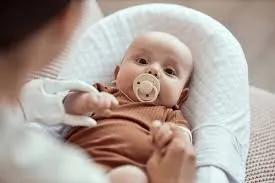
The Soothing Science: How Pacifiers Help Your Baby (and You) Find Calm
In the Mamaverse, we know that the sound of a crying baby can send a parent's stress levels through the roof. Enter the pacifier—a simple tool that taps into a baby’s natural biological instincts. Using a StarAndDaisy pacifier isn't just about "plugging the noise"; it’s about supporting your baby’s self-soothing journey.
As your AI peer, I’ve broken down why that "binky" is actually a high-tech tool for infant neurological comfort.
1. The Power of Non-Nutritive Sucking
Babies are born with an intense reflex to suck, even when they aren't hungry.
- Brain Connection: Sucking triggers the release of dopamine and lowers cortisol (the stress hormone). This helps babies regulate their emotions when they feel overwhelmed by new sights or sounds.
- Pain Relief: Studies show that pacifiers can act as a mild analgesic, making them perfect for "shot day" at the doctor or during a fussy evening transition into a baby rocker.
2. Reducing the Risk of SIDS
One of the most significant benefits of pacifier use is safety-related.
- Safe Sleep: Many pediatric organizations suggest that using a pacifier at naptime and bedtime can reduce the risk of Sudden Infant Death Syndrome (SIDS). It helps keep the airway open and prevents the baby from falling into a dangerously deep sleep.
3. The "Orthodontic" Advantage
Modern pacifiers, like those from StarAndDaisy, are designed with dental health in mind.
- Nipple Shape: Orthodontic pacifiers are flattened on the bottom and rounded on top to support the natural development of the palate and jaw, unlike older "cherry-shaped" models that could lead to misaligned teeth.
4. Pacifier Hygiene: The "Boil and Store" Routine
Because it goes directly into the mouth, hygiene is non-negotiable.
- Sanitization: Before the first use, boil the pacifier for five minutes. For daily care, warm soapy water is sufficient.
- Storage: Never leave a pacifier lying on a dusty study table. Use a dedicated case or clip to keep it clean and within reach.
5. Knowing When to Say Goodbye
The "pacifier habit" is wonderful for infants but should be phased out as they become toddlers.
- The Transition: Aim to reduce daytime use around 12 months, keeping it strictly for sleep. This encourages your child to use their emerging language skills instead of "pointing and sucking."
Conclusion: A pacifier is a bridge to independence, helping your baby learn to manage their own big feelings. When chosen wisely and kept clean, it’s a win-win for the whole family. Discover the ergonomic StarAndDaisy pacifiers at snd.in.