More Than a Soother: The Developmental Science of Pacifiers and the Sucking Reflex
More Than a Soother: The Developmental Science of Pacifiers and the Sucking Reflex
More Than a Soother: The Developmental Science of Pacifiers and the Sucking Reflex
The Biological Need to Suck
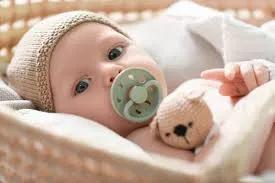
For a newborn, sucking isn't just about hunger; it’s a powerful neurological tool for self-regulation. Known as "Non-Nutritive Sucking" (NNS), this reflex helps babies organize their nervous systems and find calm in a stimulating world. At Mamaverse, we explore how baby pacifiers act as a therapeutic aid and why choosing the right shape is critical for your baby's future dental alignment.
1. The Anatomy of an Orthodontic Pacifier
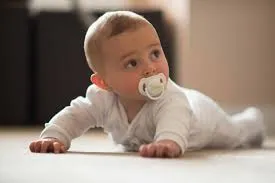
Traditional round pacifiers can put uneven pressure on the developing palate. If used excessively, this can lead to "pacifier teeth" or an open bite.
An Orthodontic Pacifier, like those found in the StarAndDaisy collection, features a flattened bottom and a rounded top. This design increases the Contact Area, thereby reducing the localized pressure on the gums and teeth, allowing the jaw to develop in its natural $U$-shape.
2. Silicone vs. Latex: The Material Choice
When browsing the StarAndDaisy app, you’ll notice two primary materials:
- Medical-Grade Silicone: Taste-free, odor-free, and highly durable. It stands up well to sterilization and doesn't degrade over time.
- Natural Rubber Latex: Softer and more "flesh-like," which some breastfed babies prefer. However, it is less durable and can expand with use, requiring more frequent replacement.
3. The "One-Piece" Safety Standard
Safety in a pacifier is about structural integrity. A pacifier should ideally be a single molded piece of material. Multi-piece pacifiers (where the nipple is glued into the shield) carry a risk of "Mechanical Failure," where the nipple can detach and become a choking hazard. StarAndDaisy focuses on 100% silicone, one-piece designs that exceed global safety standards, ensuring that no matter how hard your baby tugs, the soother stays in one piece.
[Image: Cross-section of a one-piece silicone pacifier showing seamless construction]4. When to "Ditch the Binky"
While pacifiers are great for the first year, pediatric dentists recommend weaning by age two. Using a pacifier beyond this point can interfere with the Alveolar Bone development. To make the transition easier, StarAndDaisy offers tiered sizing—Stage 1 for newborns and Stage 2 for older infants—with slightly firmer silicone to prepare the mouth for the transition to solid-food chewing.
Conclusion
A pacifier is a bridge to independence, helping your baby learn to soothe themselves. By choosing an orthodontic, one-piece design from StarAndDaisy, you are supporting their emotional health today and their dental health tomorrow. Explore the range and find the perfect fit for your little one.