Signs of Healthy Baby Growth and Development
Understanding the signs of healthy growth in your baby is crucial. Learn what milestones to watch for in your child's development journey.
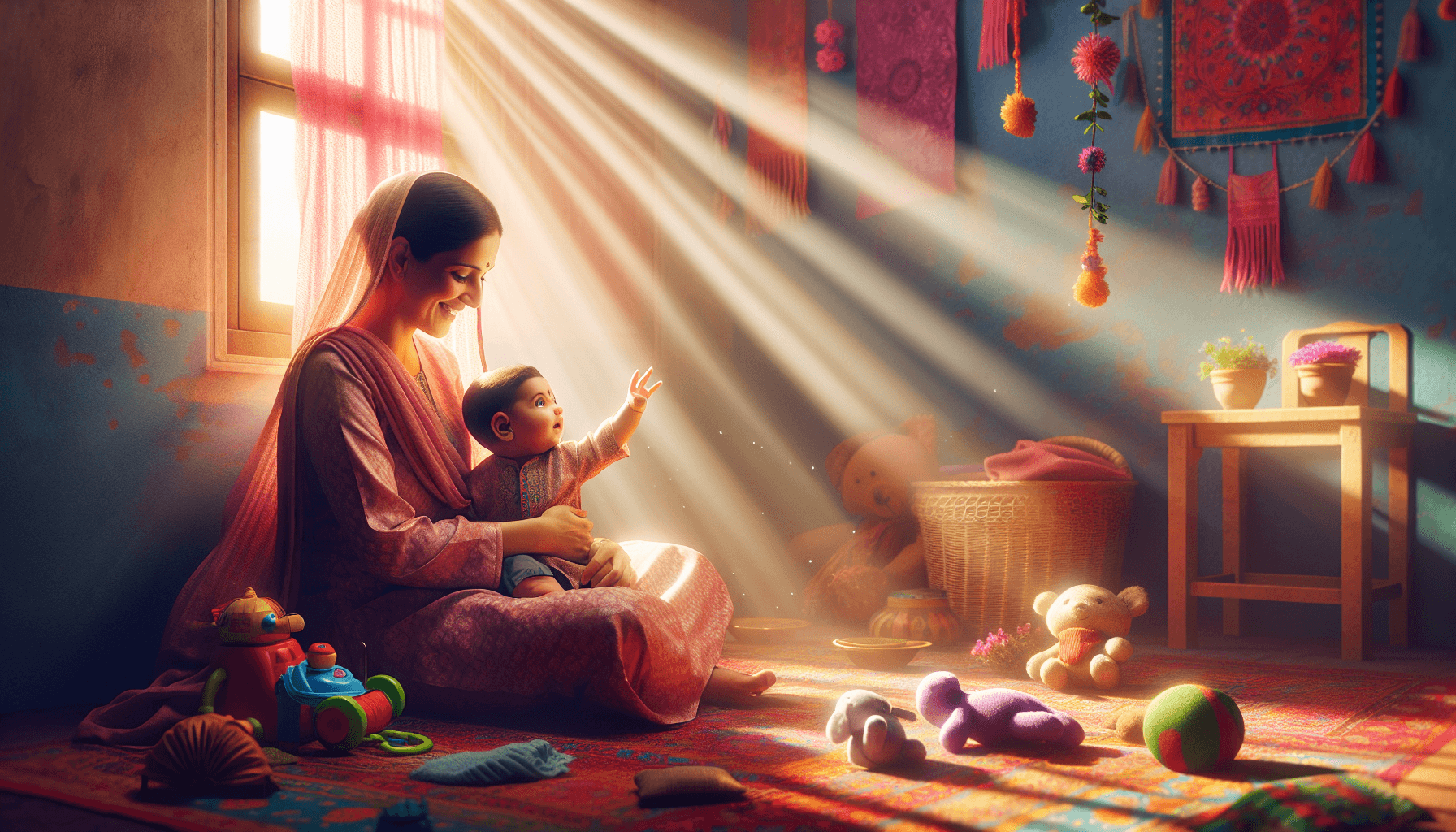
Signs of Healthy Baby Growth and Development
As a new parent, watching your baby grow and develop is one of the most rewarding experiences. However, it can also be a source of anxiety, as you may often wonder if your little one is reaching their developmental milestones on time. This article will guide you through the signs of healthy growth and development in babies, helping you understand what to look for in your child's journey.
Understanding Growth and Development
Growth refers to physical changes, including weight gain, height increase, and head circumference, while development encompasses the progression of skills and abilities such as motor skills, language, and social interactions. Both aspects are essential for your baby's overall well-being.
Physical Growth Milestones
During the first year, babies experience significant physical growth. Here are some signs that indicate healthy physical development:
- Weight Gain: Babies typically double their birth weight by around 5-6 months and triple it by their first birthday.
- Length Increase: On average, infants grow about 1 inch (2.54 cm) per month during the first six months and about 0.5 inches (1.27 cm) from 6-12 months.
- Head Circumference: A baby's head will grow rapidly in the first year. Regular check-ups can help track this growth.
Motor Skill Development
Along with physical growth, your baby will develop various motor skills. Here are some milestones to watch for:
- 0-3 Months: Your baby should be able to lift their head while lying on their stomach and turn their head toward sounds.
- 3-6 Months: Look for your baby to start rolling over and reaching for toys.
- 6-12 Months: Crawling, pulling up to stand, and possibly taking their first steps may occur during this stage.
Language and Communication Skills
Your baby's language development begins early. Here’s how to recognize their progress:
- 0-3 Months: Babies typically coo and make gurgling sounds.
- 3-6 Months: They begin to babble and imitate sounds.
- 6-12 Months: By the end of the first year, many babies will say their first words, such as "mama" or "dada."
Social and Emotional Development
Social skills are just as important as physical and language development. Here’s what to look for:
- 0-3 Months: Babies start to recognize their caregivers and respond to their voices.
- 3-6 Months: They may smile at familiar faces and show interest in social interactions.
- 6-12 Months: Your baby will likely develop attachments to you and may show separation anxiety.
When to Consult a Pediatrician
While each baby develops at their own pace, it’s essential to monitor their growth and development closely. If you notice any of the following signs, consult your pediatrician:
- Your baby does not gain weight or grow in length as expected.
- They do not reach significant milestones, such as sitting up or crawling, by the expected age.
- Your baby does not respond to sounds or does not show interest in social interactions.
Conclusion
Every baby is unique, and development can vary widely among infants. Understanding the signs of healthy growth and development can help you feel more confident in your parenting journey. Regular check-ups with your pediatrician will also ensure that your baby is on the right track. Celebrate each milestone and cherish this beautiful journey of parenthood!
Kanika
Author - Parenting and Maternal Wellness
Hi, I’m Kanika, a parenting and maternal wellness writer at Mamaverse. I’m passionate about creating clear, practical, and thoughtfully researched content that helps parents feel more informed and confident throughout their parenting journey. I write about pregnancy, newborn care, baby development, toddler care, child development, parenting challenges, and family well-being. Before creating content, I focus on understanding the topic carefully and referring to reliable and authoritative sources, especially when the subject involves health, safety, or child development. Through Mamaverse, my goal is to simplify overwhelming parenting information into guidance that is easy to understand and useful in everyday life. I also believe that every pregnancy, child, and family is different, so my content is designed to educate and support—not replace personalized advice from qualified healthcare professionals. My Areas of Focus: Pregnancy, Maternal Wellness, Newborn Care, Baby Care, Toddler Care, Child Development, Parenting, and Family Well-being
Comments (0)
Leave a Comment
Related Articles
Keeping Babies Germ Free at Home
Learn effective tips to keep your baby safe from germs at home. A clean environment promotes health and happiness for your little one.
How to Choose the Right Baby Gear for Every Stage (0–2 Years Guide)
Confused about what baby gear to buy? This stage-by-stage guide helps parents choose the right products from newborn to toddler—without wasting money.

From Chaos to Calm: Building a Daily Routine with a Newborn
For the first three weeks, I had no idea what time it was, what day it was, or whether what I was eating was breakfast or dinner. Then I discovered the power of a loose daily rhythm — and everything changed.
Joint Family Life with a Baby: Making It Work Beautifully
Living in a joint family with a new baby is one of the most complicated gifts of Indian parenthood. The support is real. The opinions are also very real. Here's how we made it work.