Safety First: How to Check if Your Baby Gear is Truly Safe
Learn how to verify baby gear safety with certifications, material checks, and expert tips for Indian parents.
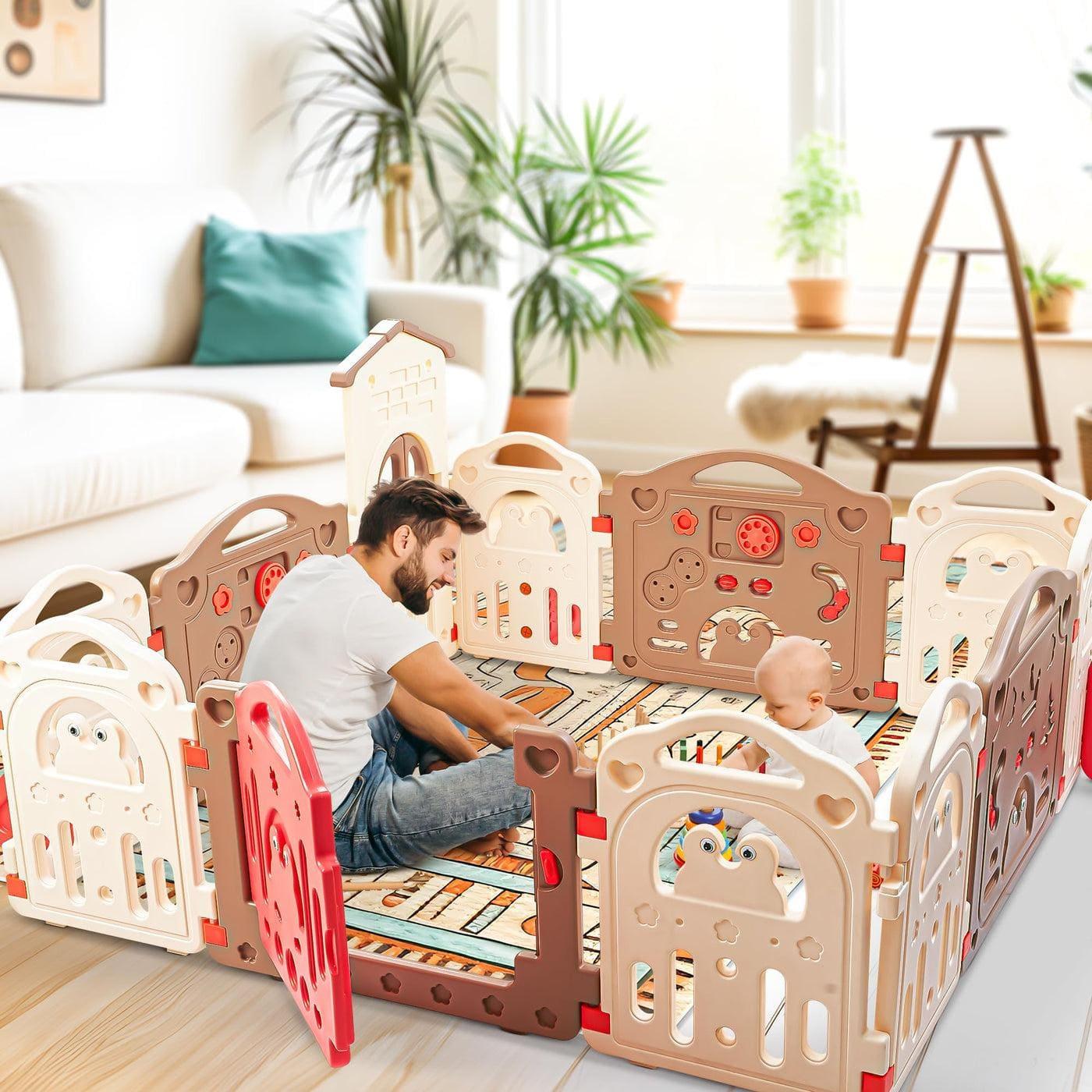
Safety First: How to Check if Your Baby Gear is Truly Safe
There's a sticker on most baby products that says "safety tested" or "meets safety standards." And for many parents, that's enough. It's on the box. It's been checked.
Except it often hasn't — not in any meaningful way.
The baby product safety landscape is more complicated than a label suggests. In India, as in many markets, products range from rigorously tested and certified to completely unverified, with no reliable way to distinguish them at a glance in a store or on an e-commerce site.
This guide gives you the actual tools to check.
Why Baby Gear Safety Matters More Than You Think
Babies can't tell you something is wrong. They can't say the harness is pinching, the plastic has a strange taste, or the position is making their hips ache. By the time a safety issue becomes visible, it's often already caused harm.
Beyond physical injury, there are less visible risks: chemical off-gassing from low-quality plastics and foams, developmental impacts from products used incorrectly or too early, and cumulative ergonomic strain from gear that doesn't support natural positioning.
When choosing baby gear, always prioritise certified and ergonomically designed products—like high chairs with proper support, breathable baby carriers, and sturdy strollers—that meet safety standards and suit Indian conditions.
Safety isn't just about preventing accidents. It's about creating an environment where your baby can grow correctly.
Step 1: Check for Certifications — and Know What They Mean
Certifications are your first filter, but they're not all equal.
In India:
- BIS (Bureau of Indian Standards) certification is the primary mark to look for on Indian-market products.
- FSSAI applies to food-related baby products (formula, purees, etc.) — not gear.
International certifications:
- CE mark — European safety certification.
- ASTM F-series — American safety standards.
- JPMA Certified — nursery product certification.
Step 2: Check Recall History
Product recalls happen regularly in the baby gear industry.
Step 3: Evaluate Materials
Check plastics, fabrics, and foam quality.
Step 4: Check Structural Integrity
Inspect buckles, locks, and mechanisms regularly.
Step 5: Verify Ergonomic Safety
Ensure proper baby positioning for development.
Step 6: Trust Your Instincts
If something feels unsafe, it probably is.
Baby Gear Safety Checklist
- BIS or CE/ASTM certification
- Recall history checked
- Materials verified
- No chemical odour
- Structural integrity checked
- Ergonomic safety ensured
Conclusion
Safety labels are a starting point, not a guarantee. Do deeper checks to ensure your baby's safety.
Frequently Asked Questions
Dr. Vandana Raghav
Pediatrician & Child Health Expert
Hi, I’m Vandana Raghav, a pediatrician and child health expert associated with Mamaverse. My work is focused on helping parents better understand their child’s health, growth, development, nutrition, and overall well-being through reliable and practical guidance. As a pediatrician, I understand that parents often have questions and concerns at every stage of their child’s development. Through Mamaverse, I aim to make medically complex topics easier to understand while providing evidence-informed information that parents can use to have more informed conversations about their child’s care. My areas of interest include newborn care, infant health, child growth and development, nutrition, feeding, sleep, common childhood health concerns, preventive care, and overall child wellness. I believe trustworthy parenting and child-health information should be accurate, responsible, and easy to understand. My goal is to help Mamaverse provide parents with dependable health information while encouraging them to consult their pediatrician or other qualified healthcare professional whenever individualized medical assessment, diagnosis, or treatment is required. My Areas of Expertise: Pediatrics, Newborn Care, Infant Health, Child Health, Growth and Development, Child Nutrition, Preventive Care, Parenting and Child Wellness
Comments (0)
Leave a Comment
Related Articles

When to start doctor visits after birth? Frequency guide
Doctor visit schedule for newborns and infants in India.
Keeping Babies Germ Free at Home
Learn effective tips to keep your baby safe from germs at home. A clean environment promotes health and happiness for your little one.

How to Choose the Right Baby Gear for Every Stage (0–2 Years Guide)
Confused about what baby gear to buy? This stage-by-stage guide helps parents choose the right products from newborn to toddler—without wasting money.

From Chaos to Calm: Building a Daily Routine with a Newborn
For the first three weeks, I had no idea what time it was, what day it was, or whether what I was eating was breakfast or dinner. Then I discovered the power of a loose daily rhythm — and everything changed.