Organizing the Chaos: A Parent’s Guide to Setting Up the Perfect Baby Cupboard
Organizing the Chaos: A Parent’s Guide to Setting Up the Perfect Baby Cupboard
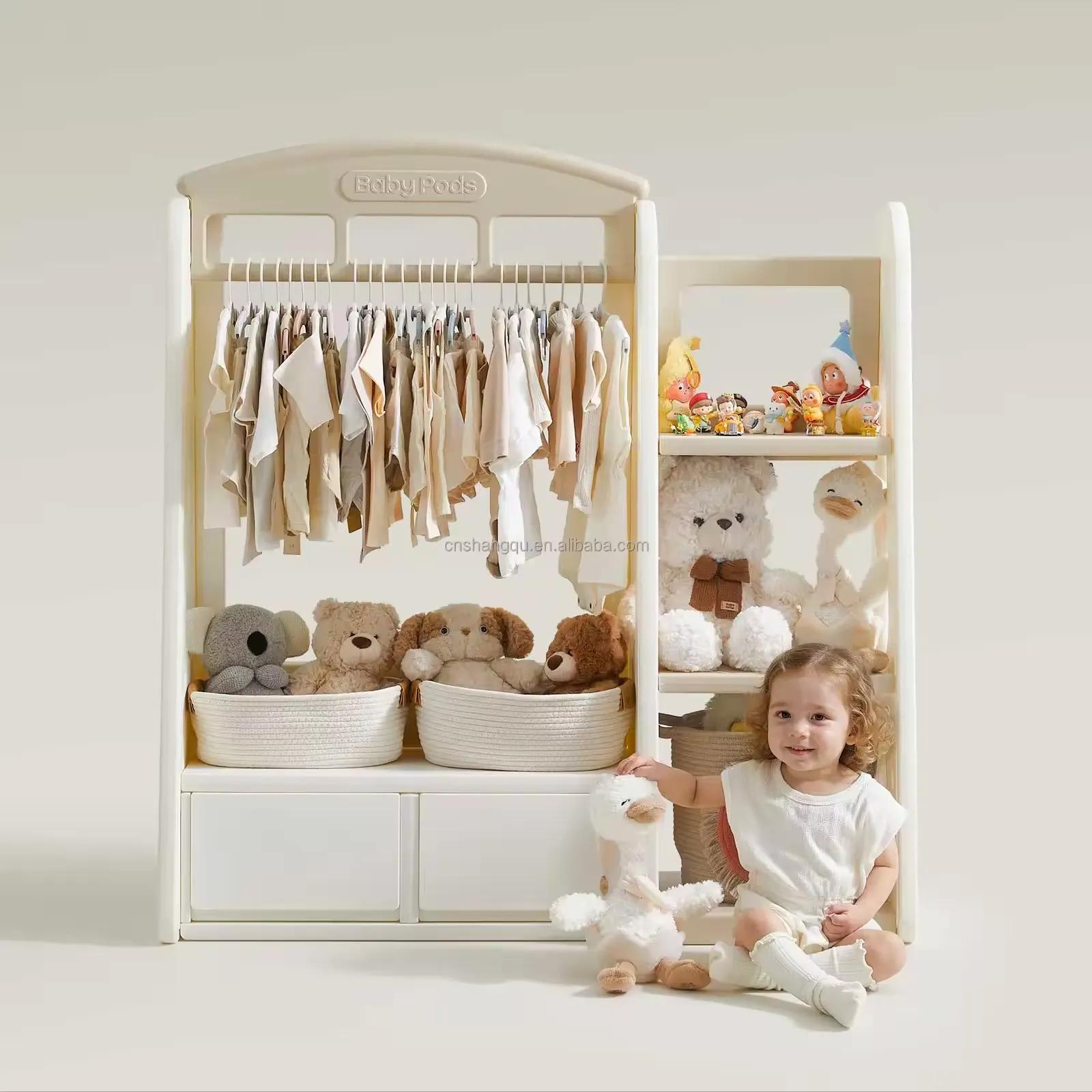
Organizing the Chaos: A Parent’s Guide to Setting Up the Perfect Baby Cupboard
Introduction: The Battle Against the "Tiny Laundry"
In the Mamaverse, one of the biggest surprises for new parents is how much "stuff" a tiny human requires. Between the onesies, swaddles, diapers, and extra bedding, your nursery can quickly become a mountain of clutter. A high-quality baby cupboard is more than just a piece of furniture; it is the command center of your daily routine. When you are changing a diaper at 3:00 AM, knowing exactly where the fresh wipes and sleepers are located is a lifesaver.
This 1500-word guide focuses on the "Logic of Organization." We will discuss how to zone your storage, the benefits of adjustable shelving, and why StarAndDaisy wardrobes are designed specifically for the unique dimensions of infant gear. At Mamaverse.co, we believe that an organized space leads to an organized mind.
1. Zoning Your Cupboard: The "Frequency of Use" Rule
Not all baby items are created equal. You need a hierarchy of access:
- The Prime Zone (Waist to Eye Level): This is for items you use 10 times a day—diapers, onesies, and burp cloths. A StarAndDaisy storage unit with easy-slide drawers ensures you can grab these one-handed while keeping the other hand on the baby.
- The High Zone: Reserved for out-of-season clothes and bulk purchases like extra boxes of wipes.
- The Low Zone: Perfect for heavier items like blankets or shoes, and eventually, toys that the toddler can learn to put away themselves.
2. Maximizing Vertical Space with Adjustable Shelves
Baby clothes are short, which means standard adult closets leave a lot of "dead air."
Double Hanging Rods: You can often fit two rows of baby hangers in the space of one adult coat.
Modular Shelving: As your baby grows into a toddler and eventually a school-aged child, their storage needs will change. StarAndDaisy wardrobes feature adjustable panels that grow with your child, moving from small bins for rattles to larger shelves for backpacks and sports gear.
3. Drawer Psychology: Using Dividers and Labels
A deep drawer is often where socks go to die.
- Honeycomb Dividers: These are essential for tiny items. By giving every pair of socks and every beanie its own "cell," you prevent the "junk drawer" effect.
- The "Size Up" Bin: Always keep a dedicated basket in the baby cupboard for clothes that the baby has outgrown. Once the basket is full, it’s ready for the attic or donation. This keeps the active wardrobe clutter-free.
4. Material Safety: Beyond the Paint
Nursery furniture should be a "Safe Breath" zone.
Low-VOC Finishes: Many cheap cupboards release Volatile Organic Compounds (VOCs) that can irritate a baby’s lungs. StarAndDaisy storage solutions utilize non-toxic, lead-free paints and sustainably sourced materials. When you open your baby’s cupboard, it should smell like nothing at all—not chemicals.