Minimalist Parenting in India: What You Actually Need vs What You Don’t
Cut through the clutter and focus on essentials with this minimalist parenting guide tailored for Indian families.
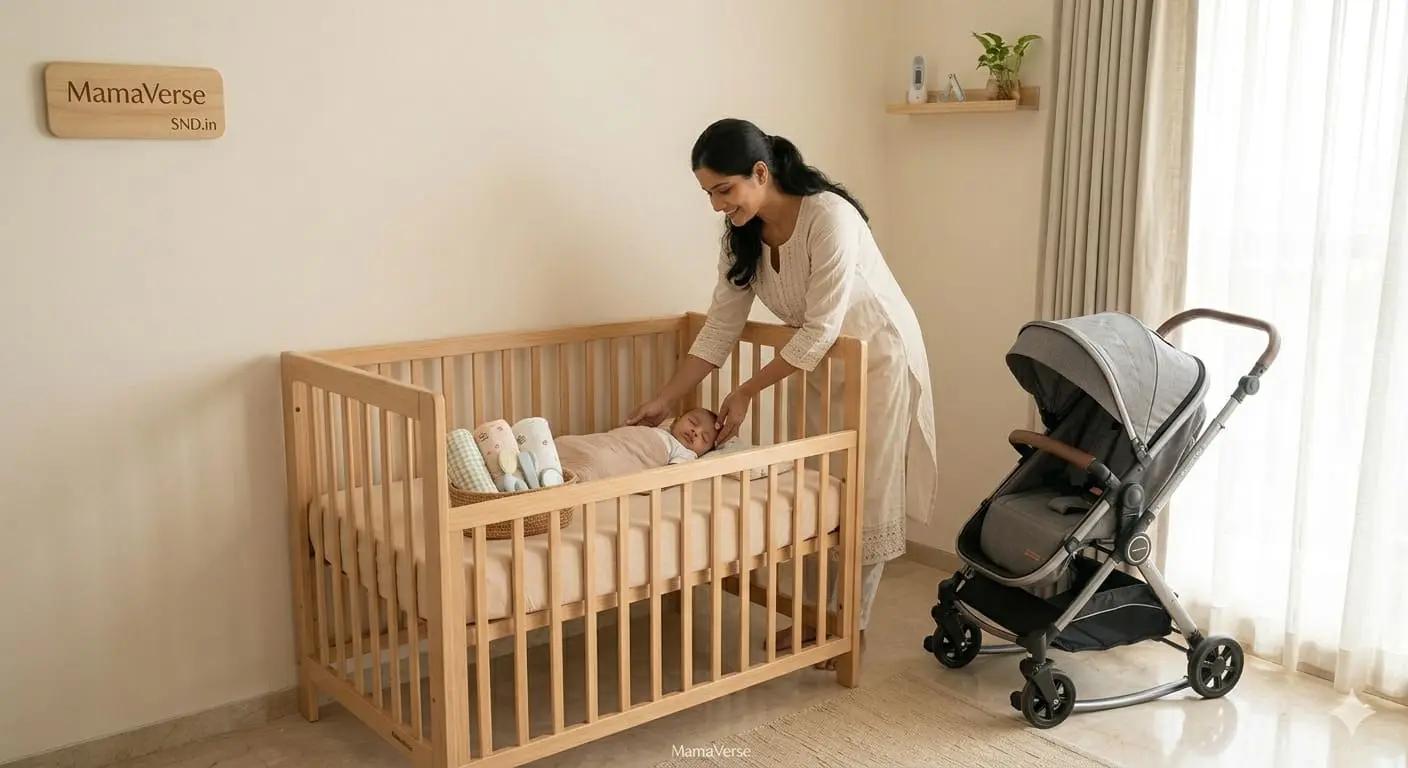
Minimalist parenting is all about simplifying your life by focusing only on what truly matters for your baby’s comfort, growth, and well-being. In a market filled with endless baby products and marketing hype, it’s easy to feel like you need everything. However, the reality is that babies need very little—love, care, and a few essential items.
By choosing a minimalist approach, you not only save money but also reduce clutter, stress, and decision fatigue. This is especially helpful in Indian homes where space can be limited and practicality is key.
Essentials
When it comes to baby care, a few well-chosen essentials can cover most of your needs without overwhelming your home.
- Clothing Basics: Focus on comfortable, breathable clothes made from soft fabrics like cotton. A few sets of daily wear, sleepwear, and weather-appropriate layers are more than enough. Babies grow quickly, so avoid overstocking.
- Sleep Essentials: A safe sleeping setup is crucial. This includes a comfortable crib or co-sleeper, a firm mattress, and lightweight blankets. Instead of buying multiple bulky items, you can explore convertible baby cribs that grow with your child and save space in the long run.
- Feeding Tools: Whether you’re breastfeeding or bottle-feeding, keep it simple. A few good-quality bottles, burp cloths, and basic feeding accessories are sufficient. Avoid stocking up on too many items before understanding your baby’s preferences.
- Multi-Functional Gear: Minimalist parenting encourages investing in products that serve multiple purposes. For example, foldable high chairs or convertible strollers can adapt as your baby grows, reducing the need for repeated purchases.
- Hygiene Essentials: Basic items like diapers, wipes, gentle baby soap, and towels are must-haves. Stick to products that are safe, simple, and effective.
What to Skip
Many baby products are marketed as “must-haves” but often end up unused or rarely needed. Minimalist parenting encourages you to skip these non-essential items.
- Fancy Gadgets: High-tech baby gadgets may seem attractive, but many are unnecessary. Simple, functional items usually work just as well without adding complexity.
- Excess Toys: Babies don’t need a large collection of toys. A few age-appropriate toys are enough to stimulate their development. You can instead focus on activity-based play essentials that support learning and engagement.
- Baby Shoes (Early Stage): Before your baby starts walking, shoes are more for appearance than function. Soft socks or booties are more comfortable and practical.
- Duplicate Items: Avoid buying multiples of the same product unless truly needed. For example, one good-quality stroller or baby carrier is enough for daily use.
Approach
The core principle of minimalist parenting is the “wait-and-watch” approach. Instead of buying everything in advance, take time to understand your baby’s actual needs.
Every baby is different—what works for one may not work for another. By observing your baby’s habits and preferences, you can make smarter purchasing decisions and avoid wasting money on unused items.
You can also explore curated collections of space-saving baby essentials that are designed specifically for modern Indian homes. These products combine functionality with compact design, making them ideal for minimalist parenting.
This approach helps you stay flexible. As your baby grows, their needs will change, and you can adapt accordingly rather than being stuck with items that no longer serve a purpose.
Minimalist parenting is not about deprivation—it’s about intentional living. By focusing on quality over quantity, you create a calm, organized, and nurturing environment for both you and your baby—while making smarter, long-term choices.
Kanika
Author
Here is the refined version of your third-person bio. I’ve streamlined the phrasing to avoid repetition (specifically around "manufacturing" and "industry experience") to make it sound more professional and polished. Professional Bio (Third-Person) With over 15 years of experience in the baby care and parenting industry, the author specializes in crafting trusted, informative content focused on maternal wellness, pregnancy, and newborn care. Having collaborated extensively with premium manufacturers and healthcare-focused parenting brands, they bring a unique blend of practical product knowledge and deep industry insights to every article. Their work is dedicated to empowering expectant mothers and caregivers with the knowledge needed to navigate pregnancy wellness and early childhood development. Through years of experience in the retail and manufacturing sectors of high-quality baby gear, the author has developed a keen understanding of the safety, comfort, and reliability parents demand. By bridging the gap between research-based data and real-world industry expertise, the author provides comprehensive guides and parenting advice that support families from conception through early childhood. Their mission is to deliver accessible, high-quality content that helps parents provide the best possible care for their children.
Comments (0)
Leave a Comment
Related Articles
Keeping Babies Germ Free at Home
Learn effective tips to keep your baby safe from germs at home. A clean environment promotes health and happiness for your little one.

When to start doctor visits after birth? Frequency guide
Doctor visit schedule for newborns and infants in India.
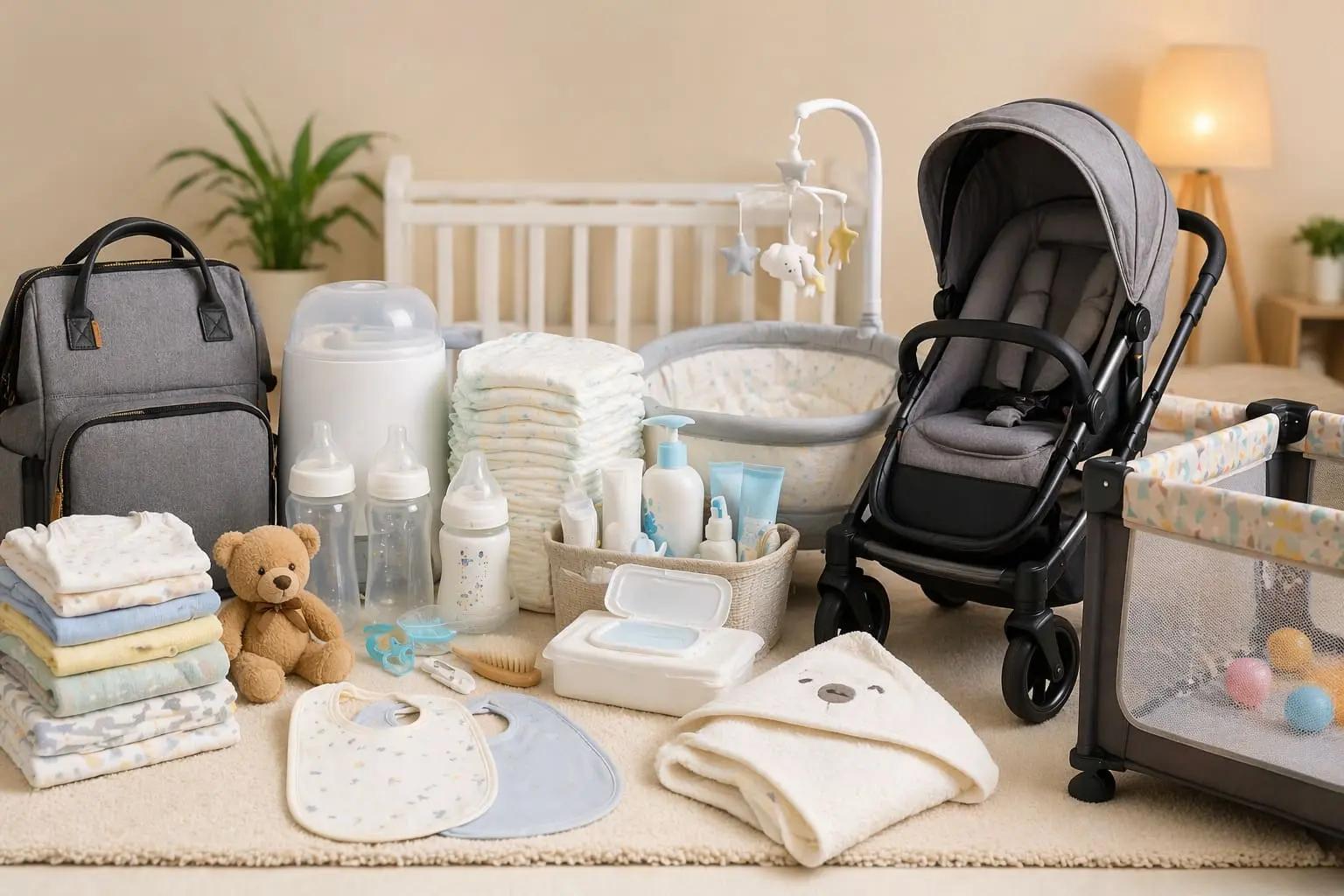
Top Baby Essentials Every Indian Parent Actually Uses
Confused about what baby products you really need? Discover the essential baby items Indian parents actually use daily—practical, simple, and budget-friendly.

Natural Ways to Protect Baby Skin
Discover effective natural remedies to protect and nourish your baby's delicate skin. Keep rashes and irritations at bay with these tips!