How Parents Can Monitor Baby Health at Home
Learn effective methods for parents to monitor their baby's health at home. Empower yourself with knowledge and tips for a happy, healthy baby.
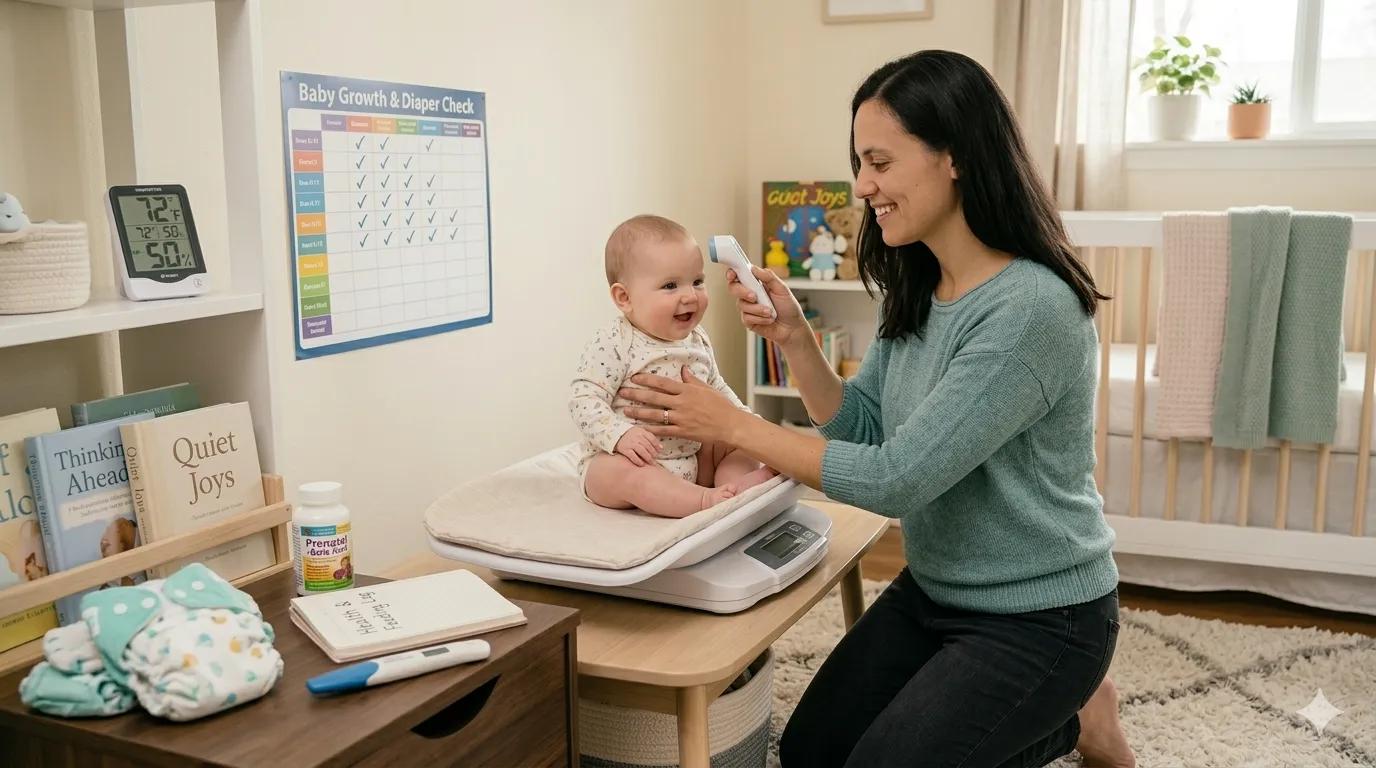
How Parents Can Monitor Baby Health at Home
As a new parent, ensuring your baby’s health and well-being can be both a joyful and overwhelming responsibility. With the right knowledge and tools, you can effectively monitor your baby's health at home. This guide will help you understand key indicators of your baby’s health and provide you with practical tips to keep your little one thriving.
1. Understanding Normal Baby Health Indicators
Before you begin monitoring your baby's health, it’s essential to know what is considered normal. Here are some key indicators:
- Temperature: A normal body temperature for babies ranges from 97°F to 100.4°F (36.1°C to 38°C).
- Weight Gain: Most babies should gain about 150-200 grams (5-7 ounces) per week during the first few months.
- Feeding Frequency: Newborns typically feed every 2-3 hours. Pay attention to signs of hunger, such as rooting or sucking on hands.
- Diaper Output: Expect at least 6-8 wet diapers daily after the first week of life, indicating proper hydration.
2. Regular Health Checks
Monitoring your baby’s health involves regular checks that can be done at home. Here are some essential practices:
- Temperature Checks: Use a digital thermometer to check your baby's temperature when they seem unwell or if you suspect a fever.
- Weight Monitoring: Weigh your baby regularly on a baby scale to ensure they are gaining weight appropriately.
- Feeding and Sleeping Patterns: Keep a log of feeding and sleeping patterns. This will help you notice any changes that may require attention.
3. Observing Developmental Milestones
Tracking developmental milestones is crucial for your baby's growth. Here are some milestones to watch for:
- 0-3 months: Responding to sounds, grasping objects, and tracking movements with their eyes.
- 3-6 months: Rolling over, sitting up with support, and babbling.
- 6-12 months: Crawling, standing with assistance, and developing a range of sounds.
If your baby seems to be lagging behind in any of these areas, consult your pediatrician for advice.
4. Recognizing Signs of Illness
Being able to recognize signs of potential illness is critical. Watch for the following symptoms:
- Fever: A temperature above 100.4°F (38°C) in babies under three months should prompt a call to the doctor.
- Persistent Crying: If your baby cries excessively or inconsolably, it may indicate discomfort or illness.
- Changes in Feeding: Reduced appetite or refusal to feed can be a warning sign.
- Rashes or Skin Changes: Any unusual rashes or skin irritations should be assessed by a pediatrician.
5. Creating a Healthy Environment
A healthy home environment plays a significant role in your baby's health. Here are some tips to create a nurturing space:
- Maintain Hygiene: Regularly wash your hands, sanitize toys, and keep your baby's sleeping area clean.
- Ensure Proper Nutrition: If breastfeeding, maintain a healthy diet. If bottle-feeding, ensure proper formula preparation and storage.
- Limit Exposure to Illness: Avoid crowded places and sick individuals, especially in the early months.
6. When to Consult a Pediatrician
While monitoring your baby's health at home is important, knowing when to seek professional help is crucial. Always consult your pediatrician if you notice:
- High fever or persistent illness.
- Changes in behavior, such as lethargy or irritability.
- Feeding problems or dehydration.
- Concerns about growth or development.
Conclusion
Monitoring your baby's health at home is a valuable skill that empowers parents to take an active role in their child's well-being. By understanding normal health indicators, conducting regular checks, recognizing signs of illness, and creating a healthy environment, you can ensure your baby grows up happy and healthy. Remember, trust your instincts and never hesitate to reach out to your pediatrician with any concerns.
Kanika
Author - Parenting and Maternal Wellness
Hi, I’m Kanika, a parenting and maternal wellness writer at Mamaverse. I’m passionate about creating clear, practical, and thoughtfully researched content that helps parents feel more informed and confident throughout their parenting journey. I write about pregnancy, newborn care, baby development, toddler care, child development, parenting challenges, and family well-being. Before creating content, I focus on understanding the topic carefully and referring to reliable and authoritative sources, especially when the subject involves health, safety, or child development. Through Mamaverse, my goal is to simplify overwhelming parenting information into guidance that is easy to understand and useful in everyday life. I also believe that every pregnancy, child, and family is different, so my content is designed to educate and support—not replace personalized advice from qualified healthcare professionals. My Areas of Focus: Pregnancy, Maternal Wellness, Newborn Care, Baby Care, Toddler Care, Child Development, Parenting, and Family Well-being
Comments (0)
Leave a Comment
Related Articles

Essential Baby Health Tips for New Parents
Discover essential health tips every new parent should know to ensure their baby's well-being and happiness.

Mistakes Parents Should Avoid in Baby Care
Discover essential tips on what mistakes to avoid in baby care, ensuring your little one thrives in a safe and nurturing environment.
What Parents Should Know About Baby Vaccinations
Understanding baby vaccinations is crucial for parents. Learn about the benefits, schedule, and importance of vaccinating your child.
Common Reasons Babies Have Low Immunity
Discover the common reasons behind low immunity in babies and learn how to support their health. Empower your little one's immune system today!