Common Reasons Babies Have Low Immunity
Discover the common reasons behind low immunity in babies and learn how to support their health. Empower your little one's immune system today!

Understanding Low Immunity in Babies
As a parent, ensuring your baby's health and well-being is a top priority. One aspect that often concerns new parents is their baby's immunity. Low immunity can make infants more susceptible to infections and illnesses. In this article, we will explore the common reasons babies may have low immunity and provide practical tips to enhance their immune system.
What is Immunity?
Immunity refers to the body's ability to defend itself against harmful pathogens like bacteria and viruses. In babies, the immune system is still developing, which can lead to vulnerabilities. Understanding the factors that influence immunity can help parents take proactive steps to protect their little ones.
Common Reasons for Low Immunity in Babies
There are several reasons why a baby may have low immunity:
- Maternal Factors: If a mother has had infections, poor nutrition, or certain medical conditions during pregnancy, it can affect the baby's immune system.
- Breastfeeding: Babies who are not breastfed or receive insufficient breast milk may miss out on essential antibodies that help build immunity.
- Premature Birth: Preterm infants are born before their immune systems are fully developed, making them more vulnerable to infections.
- Genetic Conditions: Some babies may inherit conditions that affect their immune response, leading to low immunity.
- Chronic Illnesses: Babies with underlying health issues, such as congenital heart defects or metabolic disorders, may also have compromised immunity.
- Environmental Factors: Exposure to secondhand smoke, pollutants, or overcrowded living conditions can weaken a baby's immune system.
- Lack of Vaccinations: Missing scheduled vaccinations can leave babies susceptible to various infections.
Signs of Low Immunity in Babies
Recognizing the signs of low immunity can help parents seek timely medical advice. Some common indicators include:
- Frequent colds and infections
- Unusual or severe reactions to common illnesses
- Delayed recovery from infections
- Persistent diarrhea or gastrointestinal issues
- Skin infections that are hard to treat
How to Boost Your Baby's Immunity
Supporting your baby's immune system involves a combination of proper nutrition, hygiene practices, and regular healthcare. Here are some tips for parents:
- Breastfeed: Whenever possible, breastfeed your baby to provide essential nutrients and antibodies that bolster immunity.
- Nutritious Diet: For older infants, introduce a balanced diet rich in fruits, vegetables, whole grains, and lean proteins to provide vital nutrients.
- Vaccinations: Stay up-to-date with your baby's vaccination schedule to protect against preventable diseases.
- Good Hygiene: Practice good hygiene by washing hands frequently, especially before feeding, and keeping surfaces clean.
- Limit Exposure: Keep your baby away from sick individuals and crowded places, especially during flu season.
- Regular Check-ups: Schedule regular pediatrician visits to monitor your baby's growth and immunity, and discuss any concerns.
- Encourage Sleep: Ensure your baby gets enough sleep, as rest is crucial for a healthy immune system.
When to Consult a Pediatrician
If you notice signs of low immunity or if your baby frequently falls ill, it's essential to consult a pediatrician. They can perform necessary tests and provide tailored advice to improve your baby's health.
Conclusion
Understanding the common reasons behind low immunity in babies is the first step in addressing and improving their health. By following the tips mentioned above and maintaining a proactive approach, parents can help strengthen their baby's immune system, ensuring they grow up healthy and resilient against infections.
Kanika
Author - Parenting and Maternal Wellness
Hi, I’m Kanika, a parenting and maternal wellness writer at Mamaverse. I’m passionate about creating clear, practical, and thoughtfully researched content that helps parents feel more informed and confident throughout their parenting journey. I write about pregnancy, newborn care, baby development, toddler care, child development, parenting challenges, and family well-being. Before creating content, I focus on understanding the topic carefully and referring to reliable and authoritative sources, especially when the subject involves health, safety, or child development. Through Mamaverse, my goal is to simplify overwhelming parenting information into guidance that is easy to understand and useful in everyday life. I also believe that every pregnancy, child, and family is different, so my content is designed to educate and support—not replace personalized advice from qualified healthcare professionals. My Areas of Focus: Pregnancy, Maternal Wellness, Newborn Care, Baby Care, Toddler Care, Child Development, Parenting, and Family Well-being
Comments (0)
Leave a Comment
Related Articles

Essential Baby Health Tips for New Parents
Discover essential health tips every new parent should know to ensure their baby's well-being and happiness.

Mistakes Parents Should Avoid in Baby Care
Discover essential tips on what mistakes to avoid in baby care, ensuring your little one thrives in a safe and nurturing environment.
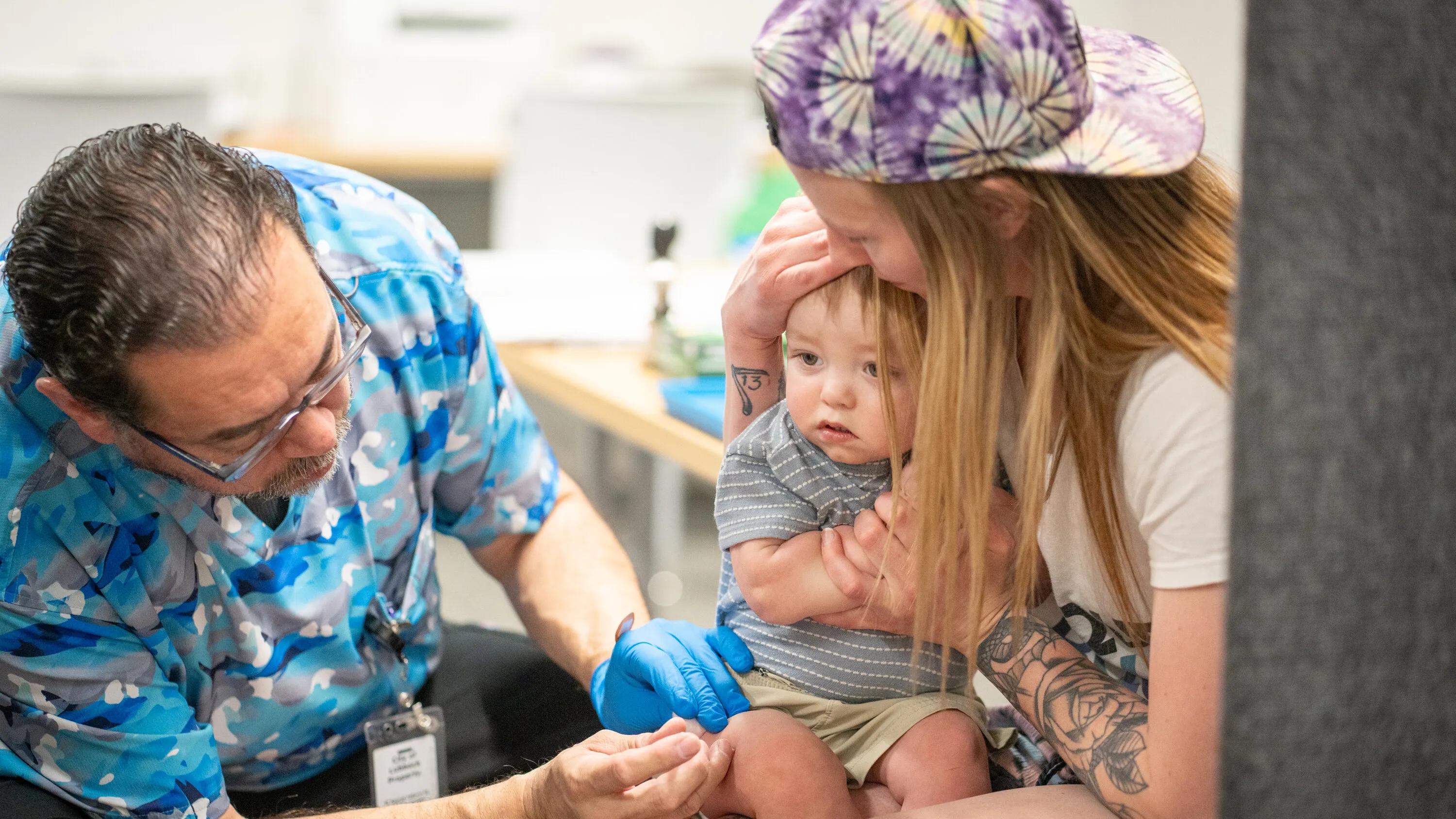
What Parents Should Know About Baby Vaccinations
Understanding baby vaccinations is crucial for parents. Learn about the benefits, schedule, and importance of vaccinating your child.

Role of Vitamins in Baby Immunity
Discover how essential vitamins boost your baby's immunity, ensuring they grow healthy and strong. Learn about the key vitamins needed.