How Long Does Labor Last for First-Time Mothers
Wondering how long labor lasts for first-time mothers? Discover the stages of labor, what to expect, and tips for a smoother experience.

Understanding Labor Duration for First-Time Mothers
As a first-time mother, the anticipation of labor can bring about a mix of excitement and anxiety. One of the most common questions that arise during this period is, "How long will labor last?" While each woman's experience is unique, understanding the phases of labor can help you prepare for this significant life event.
The Stages of Labor
Labor is typically divided into three main stages:
- First Stage: This stage begins with the onset of contractions and lasts until the cervix is fully dilated to 10 centimeters. It is further divided into two phases:
- Latent Phase: This is the early part of labor where contractions are mild and irregular. It can last from a few hours to several days, especially for first-time mothers.
- Active Phase: Contractions become more regular, stronger, and closer together. This phase typically lasts between 4 to 8 hours, but can vary significantly.
- Second Stage: This stage starts when the cervix is fully dilated and ends with the birth of the baby. For first-time mothers, this could last anywhere from 30 minutes to several hours.
- Third Stage: This final stage involves the delivery of the placenta and usually lasts about 5 to 30 minutes.
Average Duration of Labor
On average, first-time mothers can expect labor to last between 12 to 24 hours. However, it's essential to remember that this can vary widely based on individual circumstances, including:
- Health conditions
- Baby's position
- Mother's physical preparedness
- Support system and environment
Factors Influencing Labor Duration
There are several factors that can influence the length of labor:
- Age: Younger mothers may experience shorter labors, while older mothers may have longer labors.
- Previous Births: First-time mothers often have longer labors compared to those who have given birth before.
- Physical Fitness: Women who are physically active and maintain a healthy lifestyle may experience shorter labor durations.
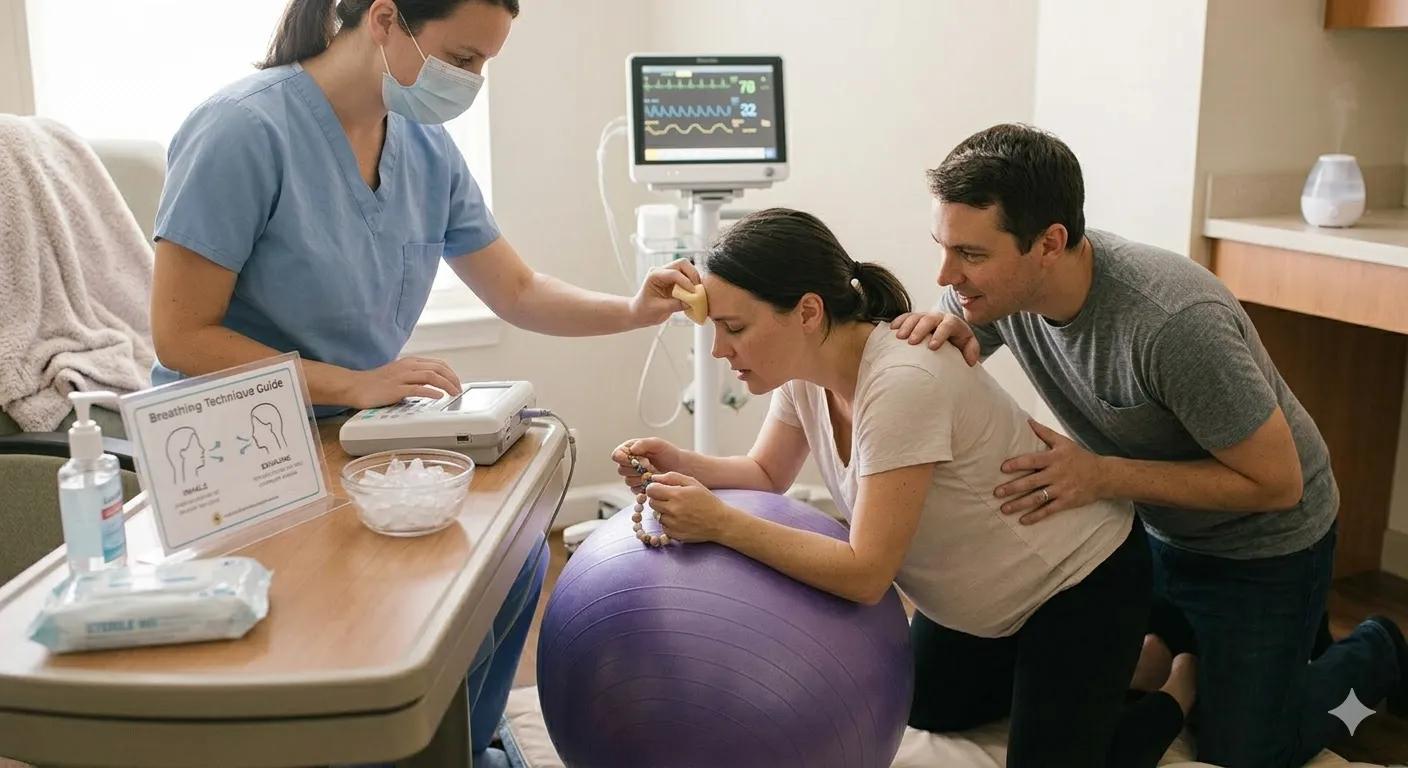
- Support and Comfort Measures: Having a supportive partner or doula and utilizing comfort measures such as breathing techniques, massage, or a birthing ball can also impact labor duration.
Preparing for Labor
While you cannot predict exactly how long labor will last, there are several steps you can take to prepare:
- Educate Yourself: Attend childbirth classes to learn about the labor process, pain management options, and what to expect.
- Create a Birth Plan: Discuss your preferences with your healthcare provider and your support team, keeping in mind that flexibility is essential.
- Stay Active: Regular exercise during pregnancy can help prepare your body for labor and delivery.
- Practice Relaxation Techniques: Meditation, deep breathing, and visualization can help you manage stress and anxiety.
What to Expect During Labor
As you approach your due date, it’s normal to have questions and concerns about what will happen during labor. Here are some common sensations and experiences:
- Contractions: These may feel like strong menstrual cramps and will gradually become more intense.
- Water Breaking: Some women experience their water breaking as a gush of fluid, while others may have a slow leak. This usually indicates that labor is imminent.
- Emotional Changes: Hormones can cause mood swings, and you may feel overwhelmed, excited, or anxious.
Final Thoughts
Labor is a unique experience for every mother, and while it can be lengthy for first-time moms, it’s an essential part of bringing your baby into the world. Remember to be patient with yourself, seek support, and trust your body. With proper preparation and a positive mindset, you can navigate the journey of labor with confidence and strength.
Kanika
Author - Parenting and Maternal Wellness
Hi, I’m Kanika, a parenting and maternal wellness writer at Mamaverse. I’m passionate about creating clear, practical, and thoughtfully researched content that helps parents feel more informed and confident throughout their parenting journey. I write about pregnancy, newborn care, baby development, toddler care, child development, parenting challenges, and family well-being. Before creating content, I focus on understanding the topic carefully and referring to reliable and authoritative sources, especially when the subject involves health, safety, or child development. Through Mamaverse, my goal is to simplify overwhelming parenting information into guidance that is easy to understand and useful in everyday life. I also believe that every pregnancy, child, and family is different, so my content is designed to educate and support—not replace personalized advice from qualified healthcare professionals. My Areas of Focus: Pregnancy, Maternal Wellness, Newborn Care, Baby Care, Toddler Care, Child Development, Parenting, and Family Well-being
Comments (0)
Leave a Comment
Related Articles

What to pack for baby in hospital bag (India)
Complete list of baby essentials for your hospital bag in India.

Things to Pack for Delivery at the Hospital
Packing for your hospital delivery can feel overwhelming. Here's a comprehensive list to help you prepare for your big day!

Labor and Delivery Tips for First-Time Mothers
Prepare for your labor and delivery with essential tips tailored for first-time mothers. Embrace the journey with confidence and knowledge.
Labor Pain Stages: What Moms Experience During Childbirth
Understanding labor pain stages is essential for moms-to-be. Learn what to expect during childbirth and how to manage each stage.