How Doctors Handle High-Risk Pregnancy Deliveries
High-risk pregnancies require specialized care. Learn how doctors manage these deliveries to ensure the safety of mothers and babies.

Understanding High-Risk Pregnancies
A high-risk pregnancy is one that poses a greater chance of complications for the mother, the baby, or both. Various factors can lead to a pregnancy being classified as high-risk, including maternal age, pre-existing health conditions, multiple pregnancies, and pregnancy-related complications. Understanding how healthcare professionals handle these deliveries can be crucial for expectant mothers navigating this journey.
Identifying High-Risk Factors
Before delving into the delivery process, it's essential to recognize the factors that may categorize a pregnancy as high-risk. Some of the common risk factors include:
- Maternal Age: Women over 35 or under 17 are often considered at higher risk.
- Pre-existing Medical Conditions: Conditions like diabetes, hypertension, heart disease, or autoimmune disorders can complicate pregnancy.
- Obesity: High body mass index (BMI) can lead to complications for both mother and baby.
- Multiple Pregnancies: Carrying twins or more increases the risks for the mother and fetuses.
- History of Complications: Previous pregnancies with complications may indicate a higher risk for future pregnancies.
Pre-Delivery Care for High-Risk Pregnancies
Once a pregnancy is identified as high-risk, the healthcare team will implement a tailored care plan. This may include:
- Frequent Monitoring: Regular check-ups, including ultrasounds and blood tests, help monitor the health of both mother and baby.
- Specialized Consultations: Referrals to specialists such as maternal-fetal medicine experts can provide additional insights and management strategies.
- Personalized Nutrition Plans: Nutrition plays a crucial role in managing health during pregnancy, and dietitians may be involved in creating meal plans.
- Emotional Support: Counseling or support groups can help mothers cope with anxiety related to their high-risk status.
Delivery Planning and Preparedness
As the delivery date approaches, a well-structured plan is essential for high-risk pregnancies. This involves collaboration among the obstetrician, anesthesiologist, pediatrician, and nursing staff to ensure a smooth process. Key aspects include:
- Choosing the Right Location: Deliveries may need to occur in a hospital with a neonatal intensive care unit (NICU) for immediate care if complications arise.
- Timing of Delivery: In some cases, doctors may recommend an early delivery to prevent risks to the mother or baby.
- Mode of Delivery: Depending on the situation, a cesarean section may be planned instead of a vaginal delivery if it's deemed safer.
- Emergency Protocols: The healthcare team is trained to handle emergencies, ensuring that appropriate measures are in place should complications arise during delivery.
During the Delivery
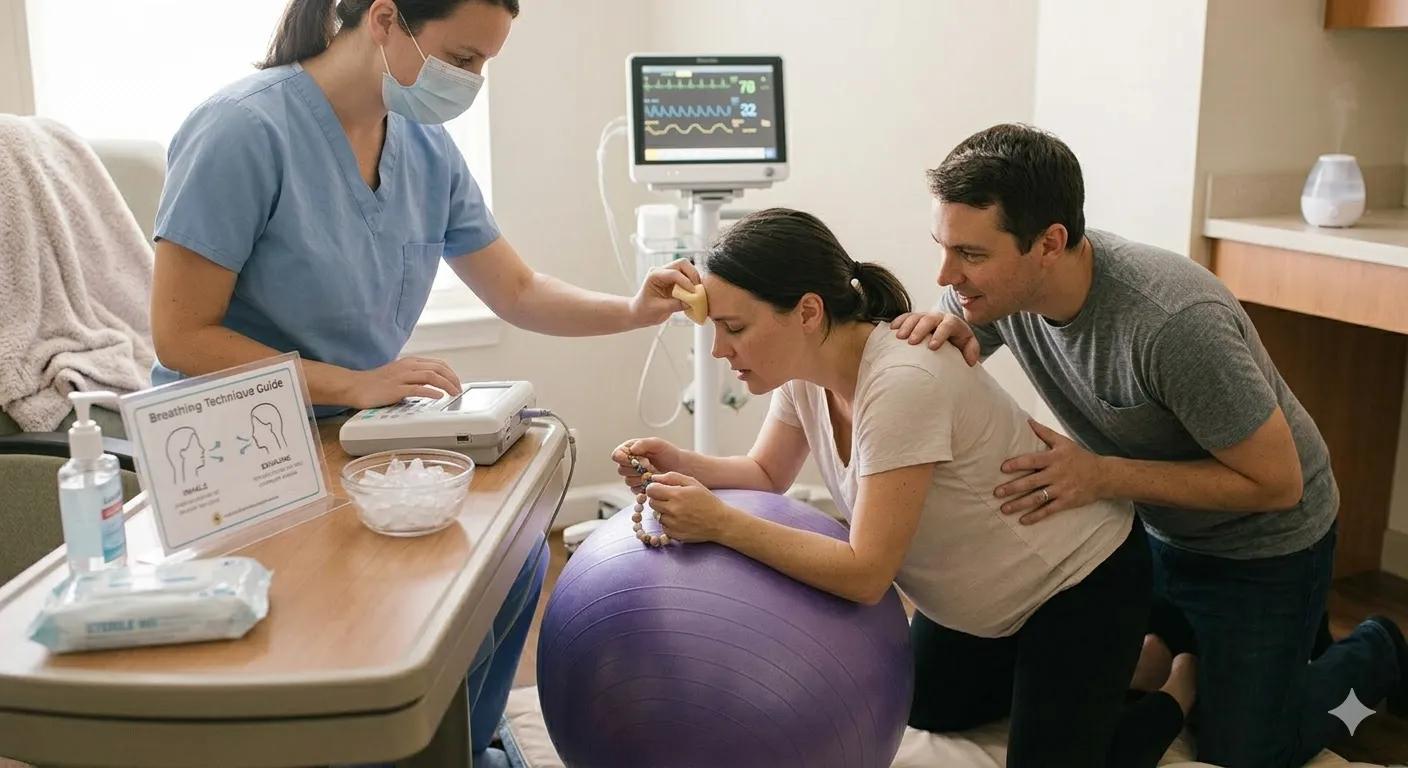
On the day of delivery, the healthcare team will closely monitor vital signs and fetal heart rate. This continuous monitoring helps in making real-time decisions to ensure the safety of both the mother and baby. Here’s what happens:
- Continuous Fetal Monitoring: This allows doctors to identify any distress signals from the baby.
- Administering Medications: If necessary, medications such as steroids may be given to speed up fetal lung development if an early delivery is anticipated.
- Preparedness for Interventions: The medical team is ready to perform interventions like a C-section if the situation requires it.
Post-Delivery Care
After delivery, both the mother and baby will continue to receive careful monitoring. This includes:
- Postpartum Care: The mother will be assessed for any complications that may arise after delivery, such as excessive bleeding or infections.
- Newborn Assessment: The baby will be checked for any signs of distress or complications, especially if born prematurely or with other risk factors.
- Support Services: Both parents may receive information on breastfeeding, infant care, and mental health resources to support their new family dynamic.
Conclusion
High-risk pregnancies require a team of dedicated professionals who work together to ensure the best possible outcomes for mothers and their babies. Understanding the protocols in place can provide reassurance and help expectant mothers prepare for this significant life event. Always consult with your healthcare provider to discuss any concerns or questions regarding your pregnancy, especially if it is classified as high-risk.
Kanika
Author - Parenting and Maternal Wellness
Hi, I’m Kanika, a parenting and maternal wellness writer at Mamaverse. I’m passionate about creating clear, practical, and thoughtfully researched content that helps parents feel more informed and confident throughout their parenting journey. I write about pregnancy, newborn care, baby development, toddler care, child development, parenting challenges, and family well-being. Before creating content, I focus on understanding the topic carefully and referring to reliable and authoritative sources, especially when the subject involves health, safety, or child development. Through Mamaverse, my goal is to simplify overwhelming parenting information into guidance that is easy to understand and useful in everyday life. I also believe that every pregnancy, child, and family is different, so my content is designed to educate and support—not replace personalized advice from qualified healthcare professionals. My Areas of Focus: Pregnancy, Maternal Wellness, Newborn Care, Baby Care, Toddler Care, Child Development, Parenting, and Family Well-being
Comments (0)
Leave a Comment
Related Articles

What to pack for baby in hospital bag (India)
Complete list of baby essentials for your hospital bag in India.

Things to Pack for Delivery at the Hospital
Packing for your hospital delivery can feel overwhelming. Here's a comprehensive list to help you prepare for your big day!

Labor and Delivery Tips for First-Time Mothers
Prepare for your labor and delivery with essential tips tailored for first-time mothers. Embrace the journey with confidence and knowledge.
Labor Pain Stages: What Moms Experience During Childbirth
Understanding labor pain stages is essential for moms-to-be. Learn what to expect during childbirth and how to manage each stage.