From Sitting to Stepping: How Baby Walkers Help Babies Transition Toward Their First Walk
From Sitting to Stepping: How Baby Walkers Help Babies Transition Toward Their First Walk
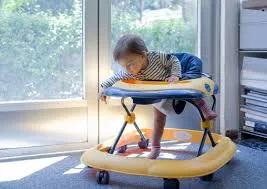
From Sitting to Stepping: How Baby Walkers Help Babies Transition Toward Their First Walk
Introduction
Learning to walk is one of the biggest milestones in a baby’s first year. But before those exciting first steps happen, babies go through several smaller stages—sitting, crawling, pulling to stand, and cruising. The transition between standing and walking often requires extra practice and muscle strength. A baby walker can support this transition by helping babies practice stepping motions in a safe and supported way. It acts like a bridge between early mobility and independent walking. Understanding this role helps parents use walkers more effectively.
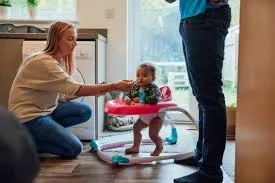
Understanding the Walking Journey
Walking develops gradually through distinct physical stages. Recognizing where your child sits on this timeline helps in choosing the right tools. Most babies follow this progression:
- Sitting independently
- Crawling
- Pulling to stand
- Standing with support
- Taking assisted steps
- Walking alone
A baby walker is most helpful between the stages of pulling to stand and taking assisted steps. They provide essential stability for babies who are ready to move but haven't yet mastered their center of gravity.
How Walkers Strengthen Walking Muscles
Walking requires significant lower-body coordination. Using a walker helps babies practice the specific biomechanics needed for movement, such as pushing with the legs, shifting weight from one side to the other, and coordinating alternating steps. This repeated motion strengthens the thighs, calves, and hips. Stronger muscles make the eventual shift to independent walking much easier. You can find ergonomically designed models on the StarAndDaisy app that focus on these muscle-strengthening movements.
Builds Confidence Before Independent Steps
Fear of falling can make babies hesitant to let go of furniture. A high-quality walker for babies provides a secure environment with stable support and controlled movement. This reduces anxiety and encourages the baby to attempt movement more often. Confidence grows with each small success; braver babies often attempt their first independent steps sooner because they have already mastered the "feel" of moving upright.
Encourages Upright Posture
Spending too much time exclusively crawling or sitting may delay the practice of upright balance. An activity walker keeps babies in an upright position, engaging the core and leg muscles while practicing proper body alignment. Proper posture during this assisted phase supports smoother, more balanced walking later on.
Keeps Babies Engaged During Practice
Practice shouldn’t feel like a chore. Walkers make the learning process fun through integrated toys, music, bright colors, and interactive panels. This keeps babies active for longer periods without frustration. Play-based learning is the most effective way to keep a child motivated to move and explore their surroundings.
Combine Walkers With Natural Activities
For the best results, a multi-functional baby walker should be part of a balanced routine. Mix walker time with floor play, tummy time, and hand-holding walks. This ensures a complete range of motor development. Walkers are excellent helpers and confidence boosters, but they work best when used alongside natural floor activities.
How StarAndDaisy Walkers Support Walking Readiness
Many parents choose StarAndDaisy walkers because their designs focus on maximum stability and comfort. Their range typically includes adjustable height settings to match the baby's growth, anti-tip bases for safety, and cushioned seats that support the spine. Parents value the durable frames and engaging activity trays that make stepping practice an enjoyable daily ritual. You can browse the latest safety-certified models at StarAndDaisy to find the perfect match for your child's journey.
Frequently Asked Questions
- Do walkers help babies walk faster? They help build the foundational strength and confidence required to eventually walk unaided.
- Should walkers replace floor play? No; a healthy mix of both floor play and walker time is ideal for motor skill development.
- What age is best for walker use? Usually after a baby can sit upright and support their own head and weight while standing.
- How long should sessions last? It is generally recommended to keep sessions to 15–20 minutes to allow for a variety of physical activities.
Conclusion
Baby walkers can be a helpful stepping stone between standing and walking. By strengthening core muscles, improving upright posture, and boosting a child's confidence, they prepare babies for their first independent steps. Used wisely and safely, they become a supportive and fun part of your baby’s milestone journey.