Common Reasons Babies Fall Sick Frequently
Explore the common reasons why babies fall sick often and learn how to keep your little one healthy and happy.

Common Reasons Babies Fall Sick Frequently
As a new parent, it can be quite concerning to see your baby fall sick frequently. While it’s natural for infants to get ill from time to time, understanding the common reasons behind these illnesses can help you take proactive steps to protect your little one. In this article, we’ll explore the factors that contribute to frequent sickness in babies and provide helpful tips to keep them healthy.
1. Developing Immune System
One of the primary reasons babies often fall sick is due to their developing immune systems. Newborns are born with some immunity passed on from their mothers, but it takes time for their own immune systems to strengthen. This makes them more susceptible to infections and illnesses, especially in their first year of life.
2. Exposure to Germs
Babies are naturally curious and tend to put their hands and toys in their mouths. This behavior increases their exposure to germs and bacteria. It’s important to keep their environment clean and ensure that they are not in contact with sick individuals.
3. Seasonal Changes
Seasonal changes can also influence the frequency of sickness in babies. During colder months, respiratory infections become more prevalent. Similarly, allergies can flare up in spring. Being mindful of these changes and taking necessary precautions can help mitigate the risks.
4. Poor Nutrition
Nutrition plays a crucial role in a baby’s health. A diet lacking in essential nutrients can weaken their immune system, making them more prone to illnesses. Ensure that your baby gets a balanced diet rich in vitamins and minerals, especially as they transition to solid foods.
5. Lack of Sleep
Sleep is vital for a baby’s growth and development. Insufficient sleep can lead to a weakened immune system, making them more susceptible to sickness. Establishing a consistent sleep routine can help your baby get the rest they need for optimal health.
6. Overcrowded Environments
Keeping your baby in overcrowded places can increase their risk of contracting infections. It’s essential to be cautious when visiting public areas, especially during flu season. If possible, limit exposure to large gatherings until your baby’s immune system is more robust.
7. Allergies and Sensitivities
Some babies may have allergies or sensitivities to certain foods, dust, or pollen, which can lead to frequent illnesses. Watch for any signs of allergic reactions, such as rashes or digestive issues, and consult with a pediatrician if you suspect allergies.
8. Inadequate Hygiene
Maintaining good hygiene practices is essential in reducing the risk of illness. Regular handwashing, sterilizing feeding equipment, and keeping your baby’s surroundings clean can significantly lower the chances of infections.
9. Teething
Teething can also contribute to a baby’s discomfort and may lead to mild illnesses. While teething itself doesn’t cause sickness, it can make babies more irritable and susceptible to infections due to increased saliva and gum sensitivity. Offering teething toys can help soothe their discomfort.
10. Vaccination Status
Ensuring that your baby is up-to-date with vaccinations is crucial in preventing illnesses. Vaccines help protect against various infections and diseases that can affect infants. Consult with your pediatrician about the appropriate vaccination schedule for your baby.
Tips for Keeping Your Baby Healthy
- Breastfeed if possible: Breastfeeding provides essential antibodies that help strengthen your baby's immune system.
- Regular check-ups: Schedule regular visits with your pediatrician to monitor your baby's growth and health.
- Keep them hydrated: Ensure your baby stays hydrated, especially during sickness, by offering fluids frequently.
- Limit contact with sick individuals: Keep your baby away from anyone showing symptoms of illness.
- Maintain a smoke-free environment: Exposure to cigarette smoke can increase the risk of respiratory issues in babies.
In conclusion, while it’s common for babies to fall sick frequently, understanding the reasons behind it can empower you as a parent. By taking proactive measures and ensuring a healthy environment, you can help your little one grow stronger and healthier. Always consult with your pediatrician if you have concerns about your baby’s health.
Kanika
Author - Parenting and Maternal Wellness
Hi, I’m Kanika, a parenting and maternal wellness writer at Mamaverse. I’m passionate about creating clear, practical, and thoughtfully researched content that helps parents feel more informed and confident throughout their parenting journey. I write about pregnancy, newborn care, baby development, toddler care, child development, parenting challenges, and family well-being. Before creating content, I focus on understanding the topic carefully and referring to reliable and authoritative sources, especially when the subject involves health, safety, or child development. Through Mamaverse, my goal is to simplify overwhelming parenting information into guidance that is easy to understand and useful in everyday life. I also believe that every pregnancy, child, and family is different, so my content is designed to educate and support—not replace personalized advice from qualified healthcare professionals. My Areas of Focus: Pregnancy, Maternal Wellness, Newborn Care, Baby Care, Toddler Care, Child Development, Parenting, and Family Well-being
Comments (0)
Leave a Comment
Related Articles

Essential Baby Health Tips for New Parents
Discover essential health tips every new parent should know to ensure their baby's well-being and happiness.

Mistakes Parents Should Avoid in Baby Care
Discover essential tips on what mistakes to avoid in baby care, ensuring your little one thrives in a safe and nurturing environment.
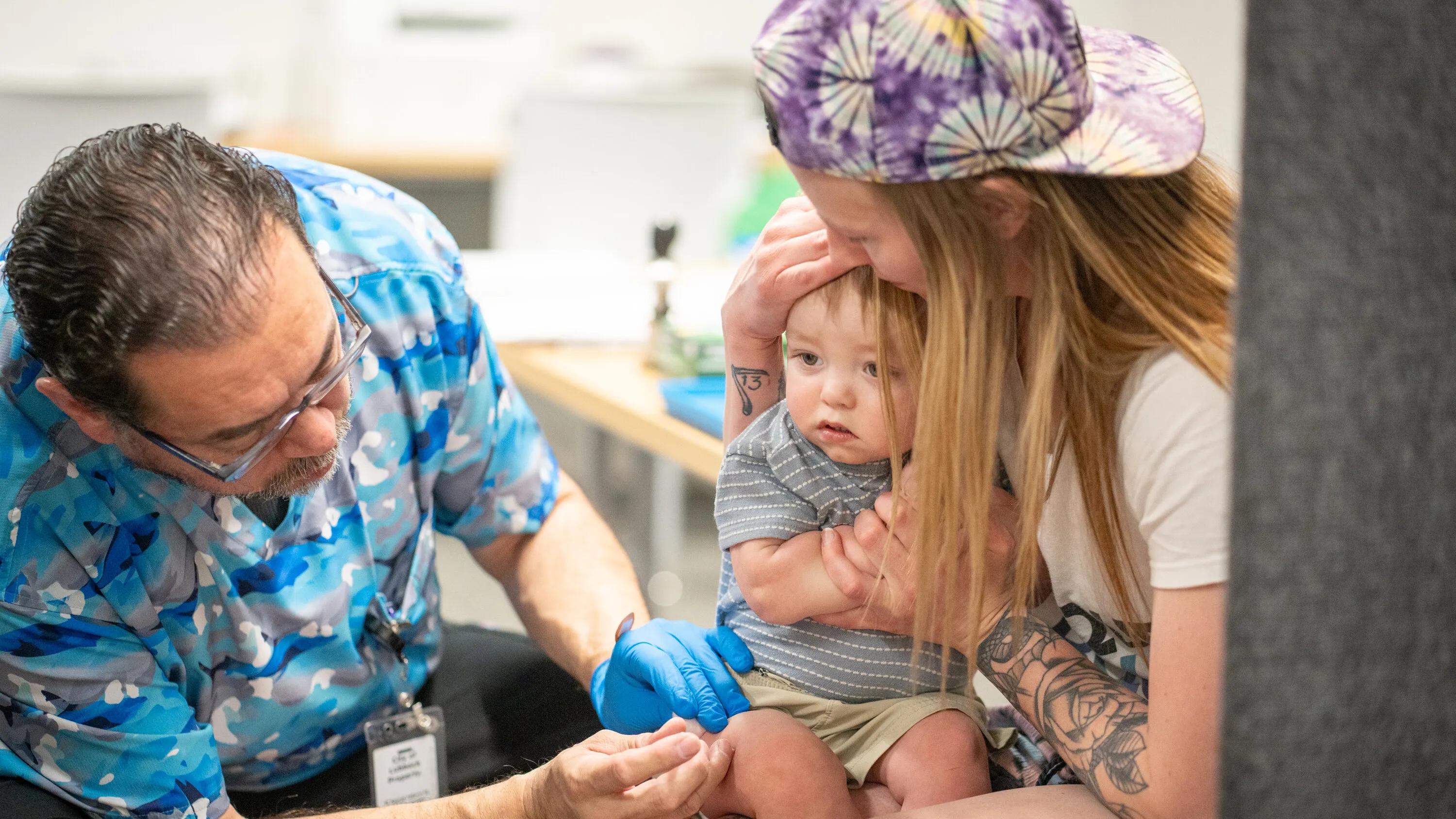
What Parents Should Know About Baby Vaccinations
Understanding baby vaccinations is crucial for parents. Learn about the benefits, schedule, and importance of vaccinating your child.
Common Reasons Babies Have Low Immunity
Discover the common reasons behind low immunity in babies and learn how to support their health. Empower your little one's immune system today!