Best Food for 1 Year Old Baby for Healthy Growth
Discover the best foods for your one-year-old to ensure healthy growth and development. Tips for nutritious meals and snacks included!
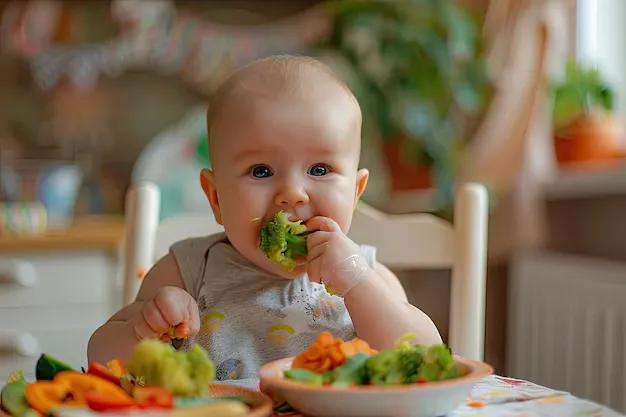
Best Food for 1 Year Old Baby for Healthy Growth
As your little one turns one, it's an exciting time filled with new experiences, including exploring a variety of foods! At this age, babies are rapidly developing both physically and cognitively, and proper nutrition plays a crucial role in their growth. In this blog, we will discuss the best foods for your one-year-old that promote healthy growth, provide essential nutrients, and keep mealtimes enjoyable.
Understanding Nutritional Needs
During their first year, babies transition from a milk-only diet to solid foods. At one year, your baby needs a balanced diet that includes:
- Fruits and Vegetables: A variety of colors and types to provide essential vitamins and minerals.
- Proteins: Important for growth and development, including meat, fish, eggs, and legumes.
- Carbohydrates: Whole grains and cereals for energy.
- Dairy: For calcium and vitamin D, crucial for bone development.
Best Foods for Your One-Year-Old
Here’s a list of nutritious food options to consider incorporating into your one-year-old's diet:
1. Fruits
- Mangoes: Rich in vitamins A and C, they are a delicious and healthy treat.
- Bananas: A great source of potassium and easy to mash or slice for little hands.
- Apples: Serve them cooked or raw, sliced thinly to prevent choking.
- Pears: Soft and sweet, they are gentle on a toddler's stomach.
2. Vegetables
- Carrots: Cooked and mashed or cut into small pieces, they are rich in beta-carotene.
- Spinach: Packed with iron and vitamins, you can mix it into other dishes or serve it as a puree.
- Sweet Potatoes: A nutritious source of vitamins A and C, easy to prepare in various ways.
- Peas: Soft and sweet, they are perfect for tiny fingers to pick up.
3. Proteins
- Eggs: A fantastic source of protein and versatile enough to prepare in many ways, such as scrambled or boiled.
- Chicken: Cook thoroughly and shred it into small pieces for easy eating.
- Fish: Salmon or other soft fish rich in omega-3 fatty acids can be introduced in small, boneless pieces.
- Dal (Lentils): A staple in Indian diets, they're packed with protein and can be mashed for easier consumption.
4. Dairy
- Whole Milk: After one year, you can introduce whole cow's milk as a drink.
- Yogurt: Opt for plain, unsweetened yogurt which is rich in probiotics and calcium.
- Cheese: Soft cheeses like cottage cheese or grated cheese can be great snacks.
5. Grains
- Oats: A great breakfast option, oats can be cooked and mashed with fruits.
- Rice: Soft-cooked rice can be mixed with vegetables or dal for a wholesome meal.
- Whole Wheat Bread: Offer small, soft pieces or toast for snacks.
Healthy Snack Ideas
In addition to main meals, healthy snacks are essential for your one-year-old:
- Fruit Purees: Blend fruits to make tasty purees or smoothies.
- Vegetable Sticks: Soft-cooked sticks of carrots or cucumber for them to munch on.
- Cheese Cubes: Small cubes of cheese can be a protein-rich snack.
- Homemade Muffins: Use whole grains and fruits to make nutritious muffins.
Tips for Mealtime
Mealtimes can be challenging, but with a few tips, you can make them enjoyable:
- Be Patient: It’s normal for toddlers to be picky eaters. Keep offering a variety of foods.
- Involve Them: Let your child participate in meal preparation; it can spark interest in food.
- Make It Fun: Use colorful plates and cut food into fun shapes to make meals appealing.
- Establish Routines: Have regular meal and snack times to create a sense of security.
Conclusion
Feeding your one-year-old a balanced diet full of varied foods is essential for their healthy growth and development. By introducing an array of fruits, vegetables, proteins, dairy, and grains, you can ensure your baby gets the nutrients they need while also encouraging healthy eating habits for life. Remember, every child is different, so be observant and flexible with their preferences, and most importantly, enjoy this wonderful journey of feeding your little one!
Kanika
Author - Parenting and Maternal Wellness
Hi, I’m Kanika, a parenting and maternal wellness writer at Mamaverse. I’m passionate about creating clear, practical, and thoughtfully researched content that helps parents feel more informed and confident throughout their parenting journey. I write about pregnancy, newborn care, baby development, toddler care, child development, parenting challenges, and family well-being. Before creating content, I focus on understanding the topic carefully and referring to reliable and authoritative sources, especially when the subject involves health, safety, or child development. Through Mamaverse, my goal is to simplify overwhelming parenting information into guidance that is easy to understand and useful in everyday life. I also believe that every pregnancy, child, and family is different, so my content is designed to educate and support—not replace personalized advice from qualified healthcare professionals. My Areas of Focus: Pregnancy, Maternal Wellness, Newborn Care, Baby Care, Toddler Care, Child Development, Parenting, and Family Well-being
Comments (0)
Leave a Comment
Related Articles
Keeping Babies Germ Free at Home
Learn effective tips to keep your baby safe from germs at home. A clean environment promotes health and happiness for your little one.
How to Choose the Right Baby Gear for Every Stage (0–2 Years Guide)
Confused about what baby gear to buy? This stage-by-stage guide helps parents choose the right products from newborn to toddler—without wasting money.

From Chaos to Calm: Building a Daily Routine with a Newborn
For the first three weeks, I had no idea what time it was, what day it was, or whether what I was eating was breakfast or dinner. Then I discovered the power of a loose daily rhythm — and everything changed.
Joint Family Life with a Baby: Making It Work Beautifully
Living in a joint family with a new baby is one of the most complicated gifts of Indian parenthood. The support is real. The opinions are also very real. Here's how we made it work.