Basic First Aid Care for Babies at Home
Learn essential first aid tips for treating common baby injuries at home. Be prepared to keep your little one safe and healthy!
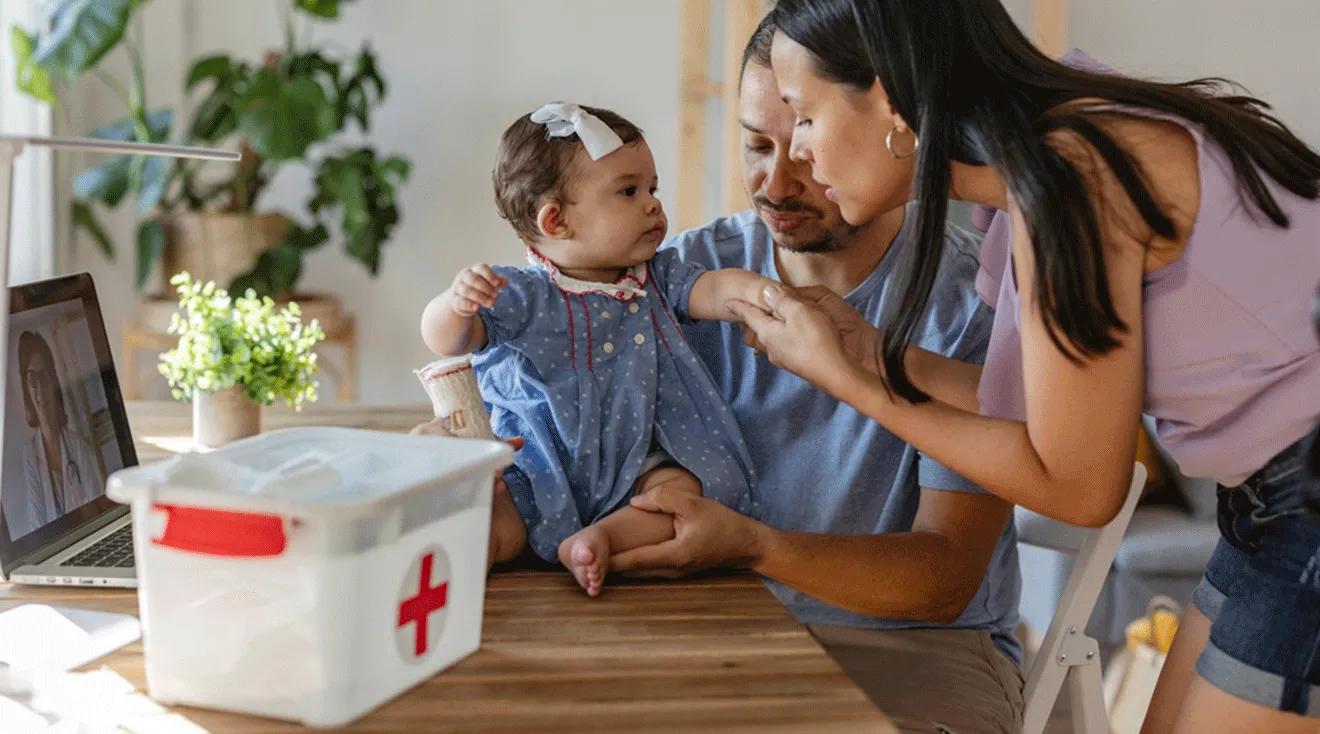
Basic First Aid Care for Babies at Home
As a parent, nothing is more important than the safety and well-being of your baby. Accidents can happen at any time, and knowing how to respond can make all the difference. In this guide, we'll cover basic first aid care for babies at home, empowering you with the knowledge to handle minor injuries and emergencies.
Understanding First Aid
First aid is the immediate care given to someone who is injured or unwell. It is crucial for parents to learn the basics, as quick action can prevent complications and ensure the safety of your little one. Here are some common situations where you might need to apply basic first aid.
Common Injuries and How to Treat Them
- Cuts and Scrapes: Clean the wound with mild soap and water. Apply an antiseptic cream and cover it with a sterile bandage if necessary.
- Burns: Run cool (not cold) water over the burn for at least 10 minutes. Do not apply ice, as it can worsen the injury. If the burn is severe, seek medical help.
- Fever: For a baby under three months with a fever above 100.4°F (38°C), seek medical assistance immediately. For older babies, use a digital thermometer to monitor their temperature and administer appropriate fever-reducing medication as advised by your pediatrician.
- Choking: If your baby is choking, encourage them to cough. If they cannot breathe or cough, perform back blows and chest thrusts. Always seek help immediately in severe cases.
- Allergic Reactions: If your baby shows signs of an allergic reaction, such as hives or swelling, administer an antihistamine if prescribed and contact your pediatrician.
Creating a First Aid Kit
Having a well-stocked first aid kit can make addressing minor injuries easier. Here are essential items to include:
- Adhesive bandages of various sizes
- Antiseptic wipes or solution
- Gauze pads and adhesive tape
- Digital thermometer
- Antihistamine (as recommended by your pediatrician)
- Baby-safe pain relief medication
- Burn cream
- Scissors and tweezers
When to Seek Professional Help
While many injuries can be treated at home, there are situations when you must seek medical attention:
- If your baby is unresponsive or not breathing
- In case of severe burns or cuts that require stitches
- If your baby has a high fever that doesn't respond to medication
- In cases of suspected fractures or serious injuries
Preventing Injuries
Prevention is always better than cure. Here are some tips to help keep your baby safe:
- Always supervise your baby during playtime, especially near stairs or sharp objects.
- Keep hazardous materials, such as cleaning supplies and medications, out of reach.
- Use safety gates and outlet covers to prevent accidents.
- Ensure toys are age-appropriate and free from small parts that could be choking hazards.
Conclusion
As a parent, being prepared for emergencies is essential. Understanding basic first aid can empower you to handle minor injuries effectively and ensure your baby’s safety. Remember to stay calm, act quickly, and always consult your pediatrician for guidance on your baby’s health and well-being.
Kanika
Author - Parenting and Maternal Wellness
Hi, I’m Kanika, a parenting and maternal wellness writer at Mamaverse. I’m passionate about creating clear, practical, and thoughtfully researched content that helps parents feel more informed and confident throughout their parenting journey. I write about pregnancy, newborn care, baby development, toddler care, child development, parenting challenges, and family well-being. Before creating content, I focus on understanding the topic carefully and referring to reliable and authoritative sources, especially when the subject involves health, safety, or child development. Through Mamaverse, my goal is to simplify overwhelming parenting information into guidance that is easy to understand and useful in everyday life. I also believe that every pregnancy, child, and family is different, so my content is designed to educate and support—not replace personalized advice from qualified healthcare professionals. My Areas of Focus: Pregnancy, Maternal Wellness, Newborn Care, Baby Care, Toddler Care, Child Development, Parenting, and Family Well-being
Comments (0)
Leave a Comment
Related Articles
Essential Baby Health Tips for New Parents
Discover essential health tips every new parent should know to ensure their baby's well-being and happiness.

Mistakes Parents Should Avoid in Baby Care
Discover essential tips on what mistakes to avoid in baby care, ensuring your little one thrives in a safe and nurturing environment.
What Parents Should Know About Baby Vaccinations
Understanding baby vaccinations is crucial for parents. Learn about the benefits, schedule, and importance of vaccinating your child.
Common Reasons Babies Have Low Immunity
Discover the common reasons behind low immunity in babies and learn how to support their health. Empower your little one's immune system today!