Baby Food Tips That Encourage Healthy Eating
Discover essential tips for introducing healthy foods to your baby. Encourage good eating habits from the start with these practical suggestions.
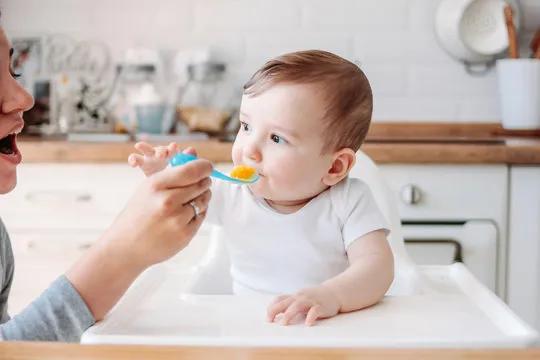
Baby Food Tips That Encourage Healthy Eating
Introducing solids to your baby is an exciting milestone that opens up a world of flavors and textures. As a parent, your goal is to ensure that your little one develops healthy eating habits early on. With the right approach, you can create a positive food experience that encourages your baby to enjoy a variety of nutritious foods. Here are some essential tips to help you get started on this wonderful journey.
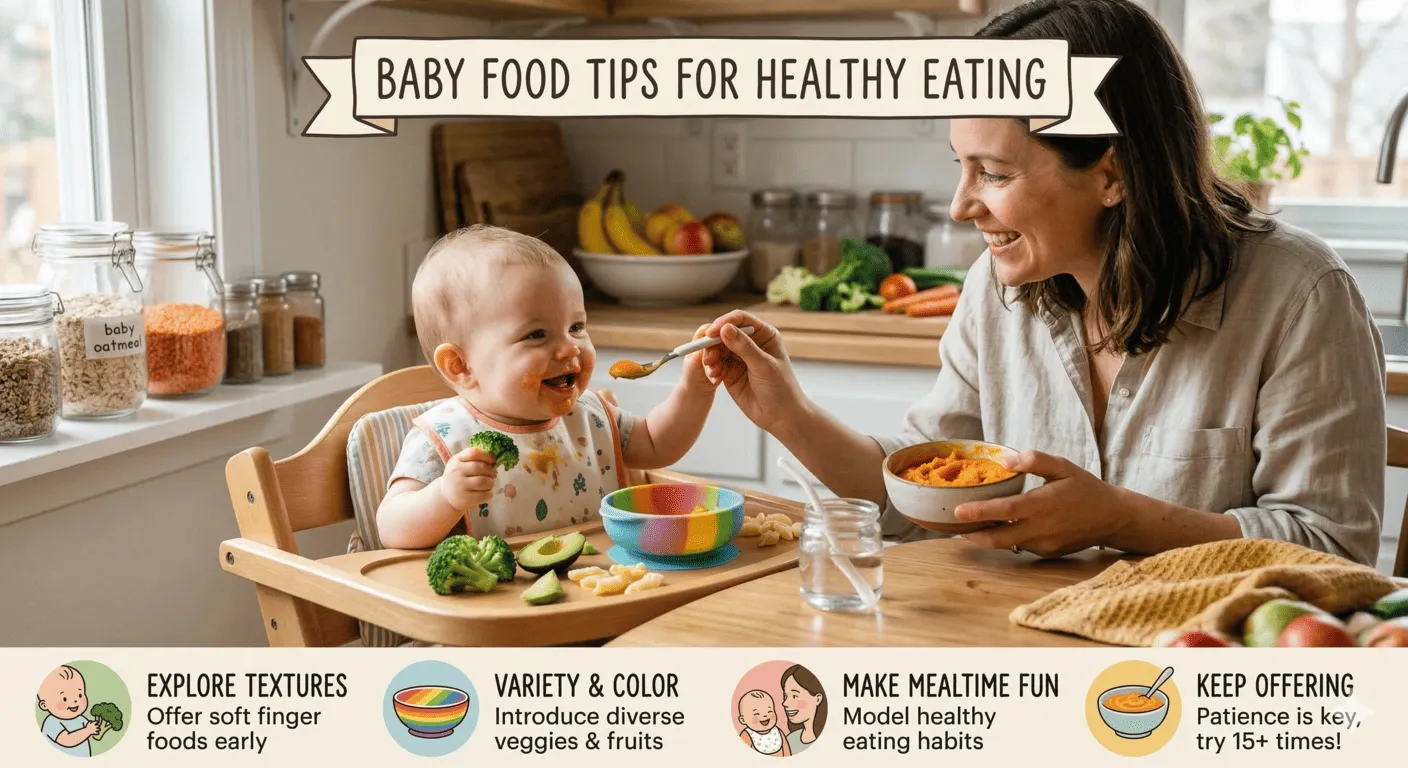
1. Start with the Basics
When your baby is ready to start solids (typically around 6 months), begin with simple, single-ingredient foods. This helps you identify any potential allergies and allows your baby to get accustomed to new flavors without being overwhelmed. Some great first foods include:
- Pureed vegetables: Carrots, sweet potatoes, and peas
- Pureed fruits: Apples, bananas, and pears
- Cereals: Iron-fortified rice or oat cereals mixed with breast milk or formula
2. Embrace Variety
Once your baby has tried a few single foods, start introducing a variety of fruits, vegetables, and grains. This not only helps your baby develop a palate for different tastes but also ensures they receive a balanced diet. Aim for a rainbow of colors on the plate, as various colors often signify different nutrients.
3. Be Patient and Persistent
It’s natural for babies to reject certain foods at first. Don’t be discouraged! Research shows that it can take up to 10 tries before a baby accepts a new food. Keep offering the same food in different forms (pureed, mashed, or finger foods) and stay patient. Your persistence will pay off!
4. Create a Positive Eating Environment
Make mealtime a positive and enjoyable experience. Sit together as a family during meals, and let your baby see you eat a variety of foods. This modeling behavior is crucial; babies often mimic what they see. Additionally, keep distractions like screens to a minimum, as this helps your baby focus on eating.
5. Use Homemade Baby Food
Making homemade baby food can be a rewarding experience and allows you to control the ingredients. You can steam, roast, or boil fruits and vegetables, then blend them to the desired consistency. Homemade food is often fresher and more nutritious than store-bought options, and you can experiment with flavors and spices (avoid salt and sugar for babies under one year).
6. Introduce Healthy Fats
Healthy fats are essential for your baby’s growth and development. Foods like avocado, full-fat yogurt, and nut butters (after 12 months) provide necessary fats. They also add creaminess and flavor to purees, making them more appealing. Just remember to introduce allergenic foods like peanuts and tree nuts gradually, and consult your pediatrician if you have concerns.
7. Encourage Self-Feeding
As your baby approaches 8-9 months, encourage self-feeding by offering soft finger foods. This not only promotes fine motor skills but also helps your baby explore textures and develop independence. Foods like soft-cooked vegetables, small pieces of fruit, and even small pasta shapes are great options.
8. Keep a Routine
Creating a mealtime routine can help your baby understand when it's time to eat. Offering meals and snacks at consistent times throughout the day helps establish healthy eating habits. Try to keep a calm and pleasant atmosphere during meal times, which will help your baby associate eating with positive feelings.
9. Avoid Forcing Food
It’s essential to respect your baby’s hunger cues. If they turn their head away or refuse to eat, don’t force the food. This can create negative associations with eating. Instead, offer the food again later or try a different option. Encourage your baby to listen to their own body’s signals.
10. Consult with a Pediatrician
If you have any concerns about your baby’s eating habits or nutrition, don’t hesitate to consult with a pediatrician or a nutritionist. They can provide personalized guidance tailored to your baby’s individual needs.
Conclusion
Encouraging healthy eating habits in your baby is a journey that requires patience, creativity, and love. By introducing a variety of nutritious foods, creating a positive mealtime experience, and respecting your baby’s preferences, you lay the foundation for a lifetime of healthy eating. Remember, every baby is unique, so trust your instincts and enjoy this precious time of exploration together.
Kanika
Author - Parenting and Maternal Wellness
Hi, I’m Kanika, a parenting and maternal wellness writer at Mamaverse. I’m passionate about creating clear, practical, and thoughtfully researched content that helps parents feel more informed and confident throughout their parenting journey. I write about pregnancy, newborn care, baby development, toddler care, child development, parenting challenges, and family well-being. Before creating content, I focus on understanding the topic carefully and referring to reliable and authoritative sources, especially when the subject involves health, safety, or child development. Through Mamaverse, my goal is to simplify overwhelming parenting information into guidance that is easy to understand and useful in everyday life. I also believe that every pregnancy, child, and family is different, so my content is designed to educate and support—not replace personalized advice from qualified healthcare professionals. My Areas of Focus: Pregnancy, Maternal Wellness, Newborn Care, Baby Care, Toddler Care, Child Development, Parenting, and Family Well-being
Comments (0)
Leave a Comment
Related Articles

Essential Baby Health Tips for New Parents
Discover essential health tips every new parent should know to ensure their baby's well-being and happiness.

Mistakes Parents Should Avoid in Baby Care
Discover essential tips on what mistakes to avoid in baby care, ensuring your little one thrives in a safe and nurturing environment.

What Parents Should Know About Baby Vaccinations
Understanding baby vaccinations is crucial for parents. Learn about the benefits, schedule, and importance of vaccinating your child.

Common Reasons Babies Have Low Immunity
Discover the common reasons behind low immunity in babies and learn how to support their health. Empower your little one's immune system today!