The Ultimate Pacifier Buying Guide: Choosing the Right Shape and Material for Every Stage
The Ultimate Pacifier Buying Guide: Choosing the Right Shape and Material for Every Stage

The Ultimate Pacifier Buying Guide: Choosing the Right Shape and Material for Every Stage
Introduction: Navigating the World of Oral Soothers
In the Mamaverse, a pacifier is often the first "best friend" a baby has. It provides comfort, aids in sleep, and satisfies the natural sucking reflex that babies possess from the womb. However, walk down any baby aisle and you’ll see dozens of different shapes, sizes, and materials. Choosing the wrong one isn't just a waste of money—it can lead to nipple confusion or dental misalignment.
This 1500-word buying guide is designed to help you decode the technical jargon of the pacifier world. Whether you are looking for a newborn-specific model or a transition tool for an older infant, our guide ensures you find a baby pacifier that balances immediate comfort with long-term oral health. At Mamaverse.co, we prioritize products that grow with your child.
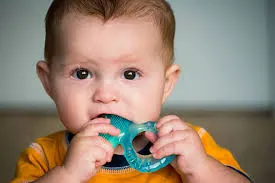
1. Nipple Shapes: Orthodontic vs. Rounded
The shape of the nipple is the most important factor in preventing "pacifier teeth" (dental malocclusion).
- Orthodontic Shapes: These are flattened on the bottom and rounded on the top. They are designed to mimic the shape of a mother’s nipple during breastfeeding. StarAndDaisy orthodontic pacifiers allow for natural tongue movement and minimize pressure on the developing palate.
- Round/Cherry Shapes: These are classic designs. While some babies prefer them, they can sometimes exert more pressure on the gums. If your baby is exclusively breastfed, a rounder shape might feel more familiar.
2. Material Science: Silicone vs. Latex
Choosing the right material affects both hygiene and durability.
Medical-Grade Silicone: This is the gold standard for modern parenting. It is non-porous (doesn't harbor bacteria), dishwasher safe, and highly durable. Most StarAndDaisy pacifiers utilize high-grade silicone because it doesn't retain odors or tastes.
Natural Latex: Softer and more flexible than silicone, latex feels more "skin-like." However, it wears out faster, cannot be boiled as easily, and some babies may have a latex allergy. For daily, high-intensity use, silicone is generally the safer technical choice.
3. Shield Design: Safety and Skin Health
The "shield" or guard prevents the baby from sucking the entire pacifier into their mouth. A good shield should have:
- Ventilation Holes: Essential for preventing "drool rash." These holes allow air to circulate, keeping the skin dry.
- Contoured Top: A "cut-out" design for the nose ensures that the baby’s breathing is never obstructed.
- One-Piece Construction: To maximize safety, a one-piece silicone pacifier is preferred as it eliminates the risk of the nipple detaching from the shield.
4. Sizing by Age: Why You Shouldn't Use Newborn Sizes for Toddlers
Pacifiers come in stages (0-6m, 6-18m, etc.). As a baby’s mouth grows, the nipple must get larger and firmer. A newborn pacifier in a toddler’s mouth can be a choking hazard, while a toddler pacifier for a newborn can cause gagging. Always check the age rating on your StarAndDaisy purchase to ensure the structural dimensions match your baby's development.