The Ultimate Pacifier Buying Guide: Choosing the Perfect Soother for Every Stage
The Ultimate Pacifier Buying Guide: Choosing the Perfect Soother for Every Stage
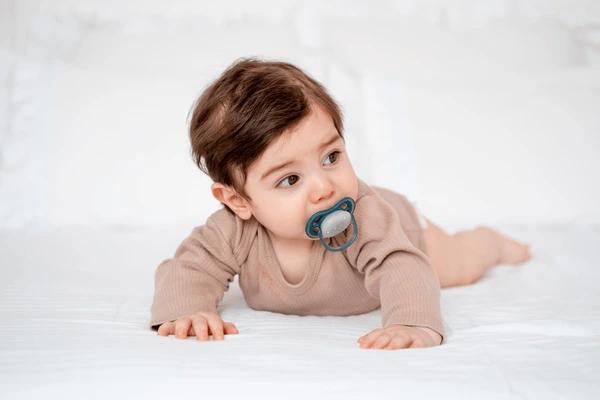
The Ultimate Pacifier Buying Guide: Choosing the Perfect Soother for Every Stage
Introduction: Finding "The One" in the Mamaverse
In the Mamaverse, every parent eventually faces the "Pacifier Puzzle." You buy five different types, and your baby rejects four of them. Why? Because pacifiers aren't one-size-fits-all. From nipple shape and material to shield ventilation, the details matter for your baby’s comfort and oral development. A high-quality StarAndDaisy pacifier is designed with these nuances in mind, helping you find a soothing solution that your baby actually loves.
This 1500-word guide breaks down everything you need to know about selecting a pacifier. We’ll compare orthodontic vs. symmetrical shapes, discuss the safety of one-piece construction, and show you how to size up as your baby grows. At Mamaverse.co, we want to help you make informed choices that lead to quieter nights.
1. Decoding Nipple Shapes: Orthodontic, Symmetrical, or Round?
The shape of the nipple is the most important factor for oral health and baby acceptance.
- Orthodontic Shapes: These are flat on the bottom and rounded on the top. They are designed to prevent tooth misalignment and support the natural development of the palate.
- Symmetrical Shapes: These are flat on both sides. The advantage? There is no "wrong way" to put them in. StarAndDaisy symmetrical pacifiers are often preferred by older babies who are learning to put the pacifier in their own mouths.
- Round/Cylindrical: Best for newborns and breastfed babies, as they mimic the shape of a breast nipple, reducing the risk of "nipple confusion."
2. Material Matters: Silicone vs. Natural Rubber
In 2026, the two primary materials have distinct pros and cons.
The Silicone Advantage: Most StarAndDaisy pacifiers are made from medical-grade silicone. It is odorless, transparent, and incredibly durable. Unlike rubber, silicone doesn't expand over time and can withstand high-heat sterilization (boiling or steaming) without breaking down. It’s also hypoallergenic, making it the safest bet for sensitive skin.
3. Safety Checklist: Shields and Vents
A pacifier isn't just a nipple; the shield is a safety barrier.
- The One-Piece Design: For maximum safety, look for pacifiers molded from a single piece of silicone. This eliminates the risk of the nipple detaching and becoming a choking hazard.
- Ventilation Holes: Never buy a pacifier with a solid shield. Large air holes, like those found on StarAndDaisy shields, allow air to reach the skin, preventing painful drool rashes and irritation around the mouth.
4. Sizing Up: When to Switch
Using a "newborn" pacifier for a 12-month-old can be dangerous and bad for their jaw.
Age Brackets: Always follow the manufacturer’s age guides. A StarAndDaisy 0-6m pacifier has a softer nipple for tender gums, while the 6-18m+ versions are firmer to withstand the pressure of emerging teeth. Check the nipple weekly for cracks or bite marks—if you see damage, it’s time for a replacement.