The Ultimate Guide to Reusable Cloth Diapers: Saving the Planet and Your Baby’s Skin
The Ultimate Guide to Reusable Cloth Diapers: Saving the Planet and Your Baby’s Skin
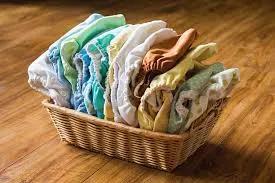
The Ultimate Guide to Reusable Cloth Diapers: Saving the Planet and Your Baby’s Skin
In the fast-paced world of modern parenting, convenience has long been the primary selling point. For decades, disposable diapers were marketed as the ultimate "freedom." However, a quiet, green revolution is taking place in Indian nurseries. Today’s mothers are looking back at the wisdom of their grandmothers but through a high-tech, modern lens: the rise of Modern Cloth Diapers (MCDs).
At Mamaverse, we understand that moving to cloth is more than just a laundry choice—it’s a commitment to your child’s health. In this deep dive, we explore how the StarAndDaisy ecosystem supports your cloth diapering journey.

1. The Anatomy of a Modern Cloth Diaper: A Marvel of Engineering
Unlike the simple cotton langots of the past, modern reusable diapers are engineered for performance. They are designed to prevent leaks and stay dry for hours.
- The Waterproof Outer Shell: Made from PUL (Polyurethane Laminate), this fabric features microscopic pores that keep urine from leaking out but allow air to circulate, preventing heat buildup.
- The Absorbent Inserts (The "Soakers"): These are the engines of the diaper. Premium options on snd.in often use organic materials like Bamboo Charcoal, Hemp, or Organic Cotton.
- The Stay-Dry Inner Layer: Typically made of micro-fleece or suede-cloth, these "wicking" fabrics pull moisture away from the skin instantly.
2. The Health Perspective: Why Your Pediatrician Might Support Cloth
Indian summers and high humidity levels are the perfect breeding ground for "Diaper Dermatitis" (diaper rash). Reusable cloth diapers offer a Toxin-Free Zone, as they are free from the Super Absorbent Polymers (SAP), dioxins, and phthalates found in disposables.
Temperature Regulation: Studies show that the temperature inside a disposable diaper can be 1°C to 2°C higher than in cloth. Keeping the area cool is a vital health factor for infants.
3. The Environmental Crisis: The 500-Year Problem
The statistics in India are staggering. A single baby will use approximately 6,500 disposable diapers, taking up to 500 years to decompose. By switching to a stash of just 15–20 high-quality reusable diapers, you prevent over 2 metric tons of non-biodegradable waste from entering the environment.
4. The Economic Logic: Turning an Expense into an Investment
The average Indian family spends between ₹50,000 to ₹80,000 on disposable diapers over 2.5 years. In contrast, a premium cloth diapering "stash" from StarAndDaisy costs roughly ₹8,000 to ₹12,000 as a one-time investment. The savings are enough to fund a significant portion of your child’s early education or a premium stroller.
5. Storage and Lifestyle Integration: The Role of the Diaper Bag
The main reason parents quit cloth is logistics while traveling. This is where the StarAndDaisy Premium Diaper Bag becomes essential. Our bags feature Waterproof Wet-Dry Compartments.
The wide-mouth openings and insulated pockets allow you to store clean cloth diapers on one side and soiled ones in a sealed, odor-proof section until you get home, making the lifestyle effortless and socially invisible.
Conclusion
Switching to cloth is a journey of small steps that lead to a massive impact. By choosing quality materials and the right accessories from snd.in, you are protecting your baby's skin today and the planet's health tomorrow.