The Sustainability Guide: Calculating the ROI and Carbon Footprint of Reusable Diapers
The Sustainability Guide: Calculating the ROI and Carbon Footprint of Reusable Diapers
The Sustainability Guide: Calculating the ROI and Carbon Footprint of Reusable Diapers
The Hidden Cost of Disposables
Every year, billions of disposable diapers end up in landfills, where they take approximately 500 years to decompose. But for many parents, the move to reusable cloth diapers is driven by more than just ecology—it’s driven by the "Mamaverse Math." In this guide, we look at the Return on Investment (ROI) and the environmental chemistry that makes cloth the superior choice for the modern home.
1. The "Mamaverse Math": Calculating the ROI
Let’s look at the numbers over a 2.5-year period (average potty training age):
- Disposables: ~6,500 diapers at an average cost of $0.25 = $1,625+
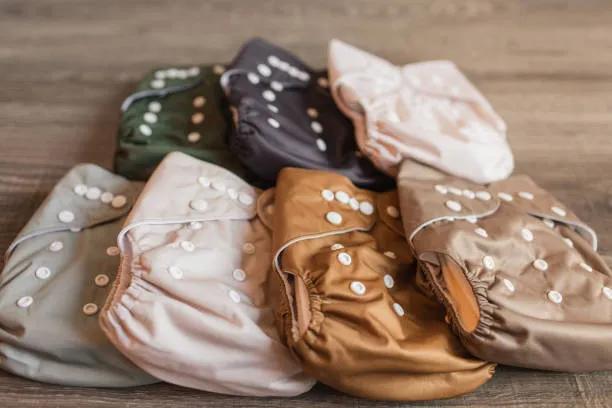
- Reusables: A full stash of 24 high-quality StarAndDaisy diapers + laundering costs = ~$450 - $600
$$Total Savings = Cost_{Disposable} - (Cost_{Cloth} + Cost_{Laundry})$$
By using the StarAndDaisy app to purchase your initial stash, you are effectively saving over $1,000 per child. If you use those same diapers for a second child, the cost drops to nearly zero.
2. Chemical Safety: What’s Not in Your Diaper?
Disposable diapers often contain Sodium Polyacrylate (the absorbent gel), Dioxins (by-products of bleaching), and Phthalates.
By contrast, StarAndDaisy reusable diapers are free from these synthetic chemicals. This is particularly important for male infants; some studies suggest that the higher temperatures in disposable diapers can affect scrotal temperature. The breathability of natural fibers helps maintain a stable, cooler environment.
3. The Environmental Impact: Water vs. Waste
Critics of cloth often point to the water used in washing. However, the Life Cycle Analysis (LCA) shows that the water used in the manufacturing of disposables often exceeds the water used in laundering cloth.
- Waste: Disposables create 1 ton of waste per child.
- Carbon: Reusables have a 40% lower carbon footprint if washed in full loads and line-dried.
4. Accessories that Make it Easy
The "yuck factor" is the most common deterrent for new parents. To make cloth as easy as disposables, consider these buying additions:
- Wet Bags: Waterproof bags for storing soiled diapers on the go.
- Diaper Liners: Biodegradable sheets that catch solids for easy disposal.
- Cloth Wipes: Can be washed right along with the diapers.
Conclusion
Switching to reusable diapers is a powerful way to protect both your baby's health and the planet's future. The math is clear: cloth saves money, reduces chemical exposure, and eliminates tons of landfill waste. Join the thousands of Mamaverse parents making the switch and shop the collection at StarAndDaisy today.