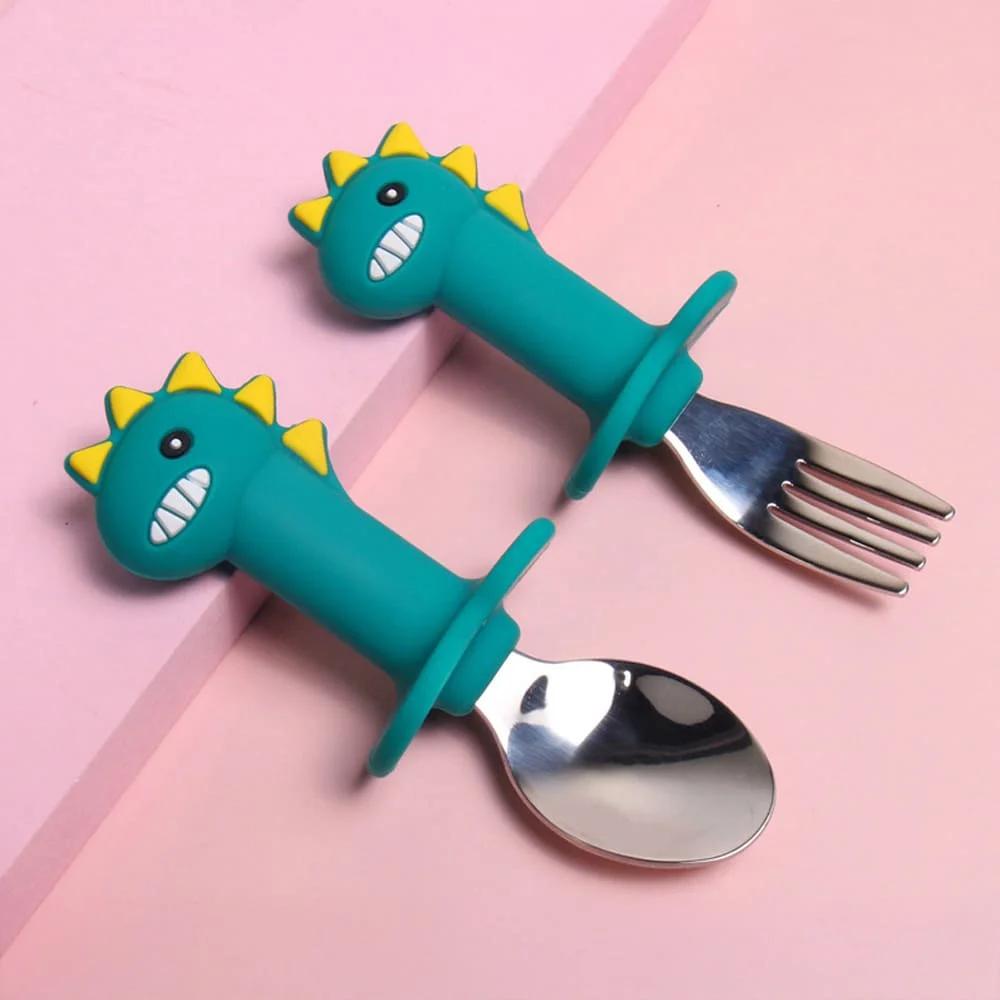
The Smart Parent’s Guide to Buying Baby Spoons: Finding the Right Fit for Every Stage
The Smart Parent’s Guide to Buying Baby Spoons: Finding the Right Fit for Every Stage
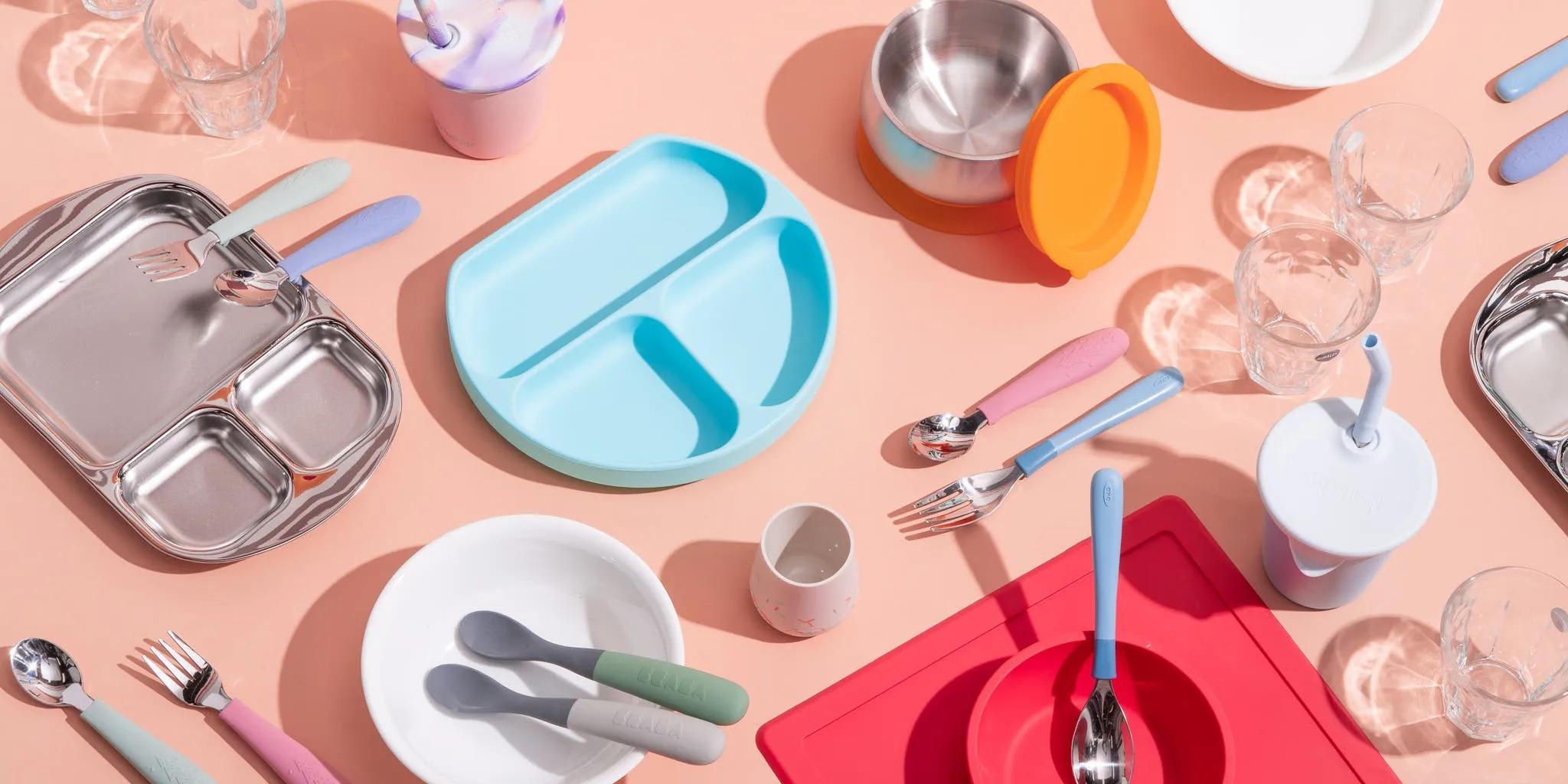
The Smart Parent’s Guide to Buying Baby Spoons: Finding the Right Fit for Every Stage
The Evolution of the Utensil
In the "Mamaverse," we know that the first bite of solid food is a milestone. However, the tool you use to deliver that bite can make or break the experience. Buying baby feeding spoons isn't just about picking a cute color; it's about matching the utensil's design to your baby's current oral motor skills. This guide will walk you through the technical specs to look for, from silicone density to handle geometry.

1. The "First Stage" Spoon: Softness is Key
For the 4–6 month transition, the goal is protection. A baby's gums are incredibly soft, and their "Tongue Thrust" reflex is still active.
What to Look For:
- Full Silicone Construction: Look for 100% Food-Grade Silicone. This material is "Gummy-Friendly" and provides enough flex to prevent bruising if the baby lunges at the spoon.
- Bowl Width: The spoon bowl should be no wider than the baby’s tongue. If it's too wide, it will trigger the lateral gag reflex.
2. The "Self-Feeding" Spoon: Short and Chunky
By 8–10 months, your baby will want to take control. This requires a shift in Mechanical Advantage.
Long-handled spoons (designed for parents to reach into jars) are difficult for babies to use because the long Length creates too much Torque, causing the spoon to flip before it reaches their mouth.
What to Look For:
- Short Handles: These bring the "Hand-to-Mouth" distance closer.
- Non-Slip Texture: Look for TPE or silicone grips that remain sticky even when wet with saliva or puree.
3. Temperature-Sensing Technology
Safety is a non-negotiable. Many StarAndDaisy plastic-blend spoons include thermochromatic pigments. These spoons change color (usually turning white) if the food is above $38^\circ\text{C}$. This is an essential safety feature for parents who use microwaves to warm purees, which can create "Hot Pockets" of food that are otherwise hard to detect.
4. Certifications: Checking the Label
When buying, don't just trust the front of the box. Look for these chemical safety standards:
- BPA/BPS-Free: Ensures no hormone-disrupting chemicals.
- LFGB vs. FDA Silicone: LFGB (European standard) is often stricter regarding the "Pinch Test"—if you twist the silicone and it turns white, it has fillers. Premium StarAndDaisy silicone passes the LFGB test every time.
Conclusion
Your baby's first spoon is their first tool. By choosing a model with a shallow bowl for beginners or a chunky handle for self-feeders, you are empowering their independence. Browse the safety-certified feeding collection at StarAndDaisy and start their food journey on the right foot.
Pro Tip: For exclusive "Mamaverse" community deals, download the StarAndDaisy App from the App Store or Play Store today.