The Engineering of Play: What Makes a Kids' Scooter Actually Safe?
The Engineering of Play: What Makes a Kids' Scooter Actually Safe?

The Engineering of Play: What Makes a Kids' Scooter Actually Safe?
In the Mamaverse, safety isn't just a label—it's in the wheels, the deck, and the brakes. Let's look under the hood of a quality ride.
1. Why PU Wheels are the Gold Standard
You’ll notice that StarAndDaisy scooters prioritize High-Rebound Polyurethane (PU) wheels over cheap plastic.
The Reason: PU wheels act like mini shock absorbers. They grip the ground instead of sliding over it, providing a much smoother ride on uneven Indian sidewalks. This reduces the "vibration fatigue" in a child’s legs, allowing them to ride longer and safer without their feet slipping off the deck due to bumpy terrain.
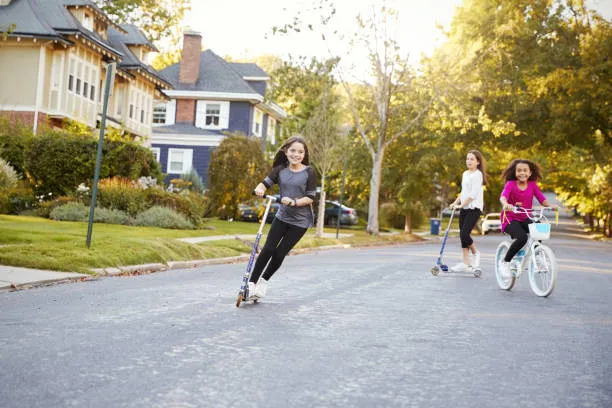
2. The Low-Profile Deck: Stability is Key
For beginners, the distance between the deck and the ground is critical. A StarAndDaisy scooter is designed with a low-profile, reinforced deck. The closer the child's center of gravity is to the ground, the less likely the scooter is to tip. Additionally, a wide, anti-slip surface ensures that even with sandy shoes or a bit of morning dew, your child's footing remains rock-solid.
3. Grow-With-Me Engineering: Handlebar Ergonomics
A scooter that is the wrong height can lead to poor posture and a higher risk of "over-the-handlebar" falls. StarAndDaisy models feature multi-level adjustable T-bars.
The Pro-Tip: The handlebars should ideally be at the child’s waist or belly button height, with a slight bend in the elbow. This gives them the most leverage for steering and braking. As they hit those sudden growth spurts, the gear evolves with them, ensuring the same level of safety year after year.
4. Rear-Fender Braking: The Natural Instinct
When a child feels they are going too fast, their natural instinct is to lean back. The rear-fender foot brake on a StarAndDaisy scooter works with this instinct. By simply stepping on the back wheel cover, they can bring the scooter to a controlled stop. Unlike front brakes (which can cause a "flip"), rear braking is stable and teaches them the fundamentals of speed control before they ever move on to a bicycle.