The Architecture of Independence: A Parent’s Guide to Selecting the Perfect Potty Training Seat
The Architecture of Independence: A Parent’s Guide to Selecting the Perfect Potty Training Seat
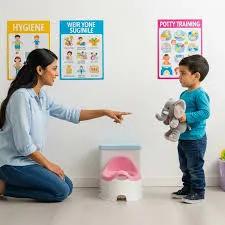
The Architecture of Independence: A Parent’s Guide to Selecting the Perfect Potty Training Seat
Introduction: Beyond the Diaper
In the Mamaverse, few milestones are as celebrated—and as daunting—as potty training. It is a profound transition from total dependency to a sense of "I can do it myself." However, the success of this journey often hinges on a single piece of equipment: the potty training seat. If a seat is unstable or uncomfortable, it can trigger a fear of falling that delays progress by months.
At Mamaverse.co, we believe that the right tools build the right habits. Choosing a seat that prioritizes stability and child-specific ergonomics turns a stressful chore into a confident win for your toddler. This 1500-word guide breaks down how to match a seat to your child's readiness stage and your home's architecture.
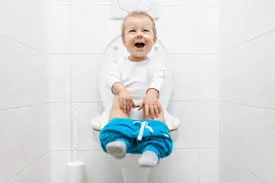
1. Timing is Everything: Identifying the Readiness Window
Before you bring a seat home, you must ensure your child is biologically and psychologically ready. Readiness matters more than age.
- The Biological Signs: Staying dry for 2+ hours and the ability to sit independently.
- The Behavioral Signs: Showing interest in the "big toilet" and communicating the need to go.
2. Stability: The Foundation of Confidence
To a toddler, the standard adult toilet looks like a giant, gaping hole. The fear of slipping is the #1 reason for potty training resistance.
- Anti-Slip Technology: Look for wide bases and rubber grips that provide firm floor contact.
- Wobble-Free Design: A high-quality potty training seat should feel like an extension of the floor. StarAndDaisy engineering focuses on structural integrity to ensure the seat remains rock-solid, even if the toddler is fidgeting.
3. Choosing Your Type: Standalone vs. Attachable vs. Ladder
Every bathroom setup is different, and every child has a preference.
- Standalone Potty Chairs: Ideal for beginners. Their low height allows feet to stay flat on the ground, which is the optimal position for bowel movements.
- Attachable Seats: Great for small bathrooms and helping children transition to adult toilets faster.
- Ladder-Style Seats: These encourage independence by allowing the child to climb up on their own. A StarAndDaisy ladder seat often becomes a toddler's favorite "big kid" tool.
4. Ergonomics: The Comfort Quotient
Potty training requires patience, which often means sitting for several minutes. If the seat is hard or has sharp edges, the child will want to get up immediately. Look for soft cushioning, rounded edges, and high back support. When a child is physically comfortable, their nervous system relaxes, making the actual process of "going" much easier.