Hip-Healthy Habits: The Safety Checklist for Babywearing
Hip-Healthy Habits: The Safety Checklist for Babywearing
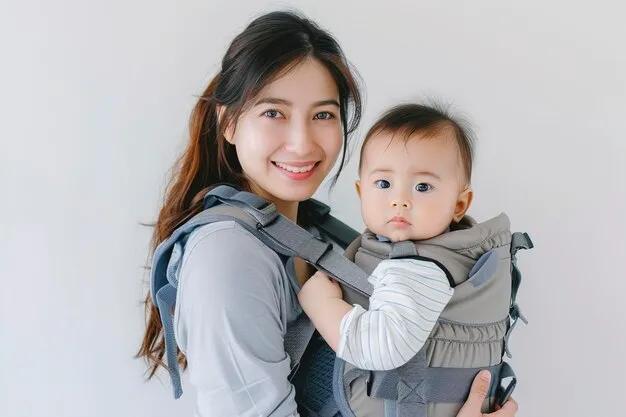
Hip-Healthy Habits: The Safety Checklist for Babywearing
Introduction: Safety is in the Seat
In the Mamaverse, we love the closeness that a carrier provides, but safety must always come first. A carrier isn't just about "holding" the baby; it's about positioning them in a way that protects their developing hips and ensures their airway is always clear. For a new parent, the technicalities of "Hip Dysplasia" or "Airway Obstruction" can sound scary, but with the right gear and a few simple rules, babywearing is one of the safest ways to travel.
This 1500-word guide breaks down the essential safety protocols for baby carriers. We will discuss the "M-Position" for healthy hips, the T.I.C.K.S. rule for breathing, and why StarAndDaisy carriers are engineered for anatomical perfection. At Mamaverse.co, we keep your baby’s health at the heart of our advice.
1. The "M-Position": Supporting Healthy Hip Development
When a baby is in a carrier, their legs should never dangle straight down.
- The Froggy Squat: The baby’s knees should be higher than their bottom, creating an "M" shape. This ensures the hip joint is seated correctly in the socket. StarAndDaisy carriers feature a wide seat base specifically designed to support this natural, hip-healthy posture.
- Avoiding "Narrow" Seats: Carriers with very narrow crotch areas can put undue pressure on the hips. Always look for "ergonomic" or "wide-base" labels to ensure long-term physical health.
2. T.I.C.K.S.: The Golden Rules of Babywearing
To ensure your baby can breathe easily at all times, follow this simple acronym used by pros in the Mamaverse:
Tight: The carrier should be snug enough to hold the baby against you.
In View at All Times: You should be able to see your baby's face simply by looking down.
Close Enough to Kiss: The baby’s head should be as close to your chin as is comfortable.
Keep Chin Off Chest: Ensure there is always a space of at least one finger-width under the baby’s chin.
Supported Back: The baby's back should be supported in its natural curve.
3. Weight Distribution and Parent Comfort
Safety also applies to the parent! Carrying a baby for hours can lead to back and neck strain if the carrier is poorly designed.
- Lumbar Support: A premium carrier should have a thick, padded waist belt. StarAndDaisy designs focus on "H-bridge" or "X-strap" configurations that distribute the weight across your strongest muscles, preventing the "pull" on your lower back.
- Padded Shoulders: High-density foam padding in the shoulder straps ensures that the weight doesn't dig in, allowing you to wear your baby longer and more comfortably.
4. Hardware Integrity: Buckles and Seams
When you are out and about, you need to trust the "bones" of your carrier.
Safety Testing: Always check the quality of the buckles and the reinforced stitching at the stress points. StarAndDaisy carriers undergo rigorous durability testing to ensure that the clips won't snap and the fabric won't tear, even as your baby transitions from a tiny newborn to a sturdy toddler.