From Sit to Stand: Choosing the Right Walker for Your Baby’s First Steps
From Sit to Stand: Choosing the Right Walker for Your Baby’s First Steps
From Sit to Stand: Choosing the Right Walker for Your Baby’s First Steps
Introduction: The Big Leap to Mobility
In the Mamaverse, there is no milestone quite as heart-pounding as the first step. One day they are crawling, and the next, they are pulling themselves up on the coffee table with a look of pure determination. This is where a baby walker becomes a vital tool. But with so many options—seated walkers, push-behind walkers, and activity centers—how do you know which one actually supports their development without hindering it?
This 1500-word guide helps you navigate the "Walking Transition." We will discuss the ergonomics of the seat, the benefits of "Multi-Functional" designs, and why a StarAndDaisy walker is engineered to grow with your child's confidence. At Mamaverse.co, we believe every step should be a stable one.
1. Seated Walkers: The "Safe Exploration" Phase
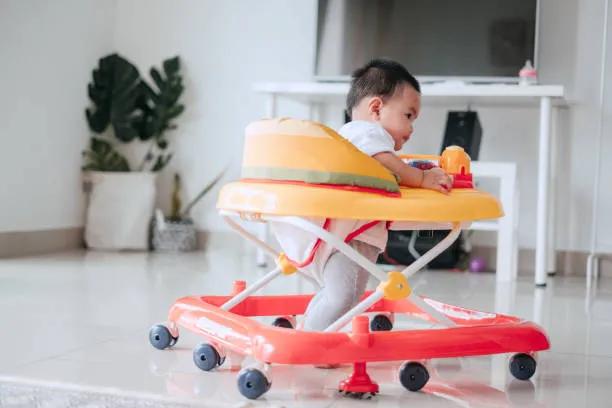
For babies who can sit up independently but aren't quite ready to take full weight on their legs, a seated walker is the first introduction to vertical life.
- Adjustable Height: A walker is only safe if it fits. Your baby's feet should touch the floor flatly, with a slight bend in the knee. StarAndDaisy walkers feature multi-level height adjustments to ensure the baby isn't "tip-toeing," which can cause calf muscle tightness.
- 360-Degree Mobility: Swivel wheels allow the baby to explore their surroundings with ease, building their spatial awareness and leg strength in a protected environment.
2. Push-Behind Walkers: Building Core Stability
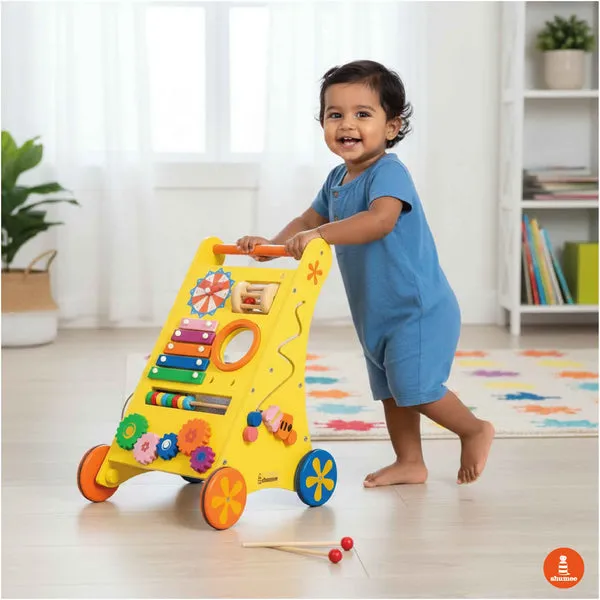
As your baby starts pulling to stand, they move into the "Push" phase.
The Independent Walker: A push-behind walker requires the baby to balance their own weight while moving. Look for a model with a wide, weighted base. Many StarAndDaisy designs are 2-in-1, meaning they convert from a seated car into a sturdy push-bar walker. This transition helps develop the "vestibular system"—the inner ear's sense of balance.
3. Entertainment vs. Ergonomics
A walker is a mobile playground, but the "play" shouldn't distract from the "walk."
- Detachable Activity Trays: Look for walkers where the toy tray can be removed. This reveals a snack tray and reduces the weight of the unit when the baby is focusing purely on their walking technique.
- Sensory Integration: Buttons, lights, and sounds on a StarAndDaisy walker encourage the baby to stand longer, building the endurance needed for independent walking later on.
4. The Quality of the Build
In the Mamaverse, durability is non-negotiable.
High-Grade Materials: Ensure the walker is made of BPA-free, high-impact plastic. The seat fabric should be breathable and machine-washable (because spills happen!). By choosing a premium brand like StarAndDaisy, you ensure the frame won't flex or creak under the baby's weight, providing a solid foundation for their first adventures.